So, while this post, Day 3, is not technically related to the Summit event schedule, it does go in depth concerning a location very much associated with The Mount – the town of Lenox, Massachusetts. Participants of the Summit were provided with a printed, and digital, “Edith Wharton Walking Tour” of Lenox, and it is from this document that I was inspired to go on foot through the town on the final day of the the Summit. This will be a brief tour, covering only a handful of points of interest – so here we go!!
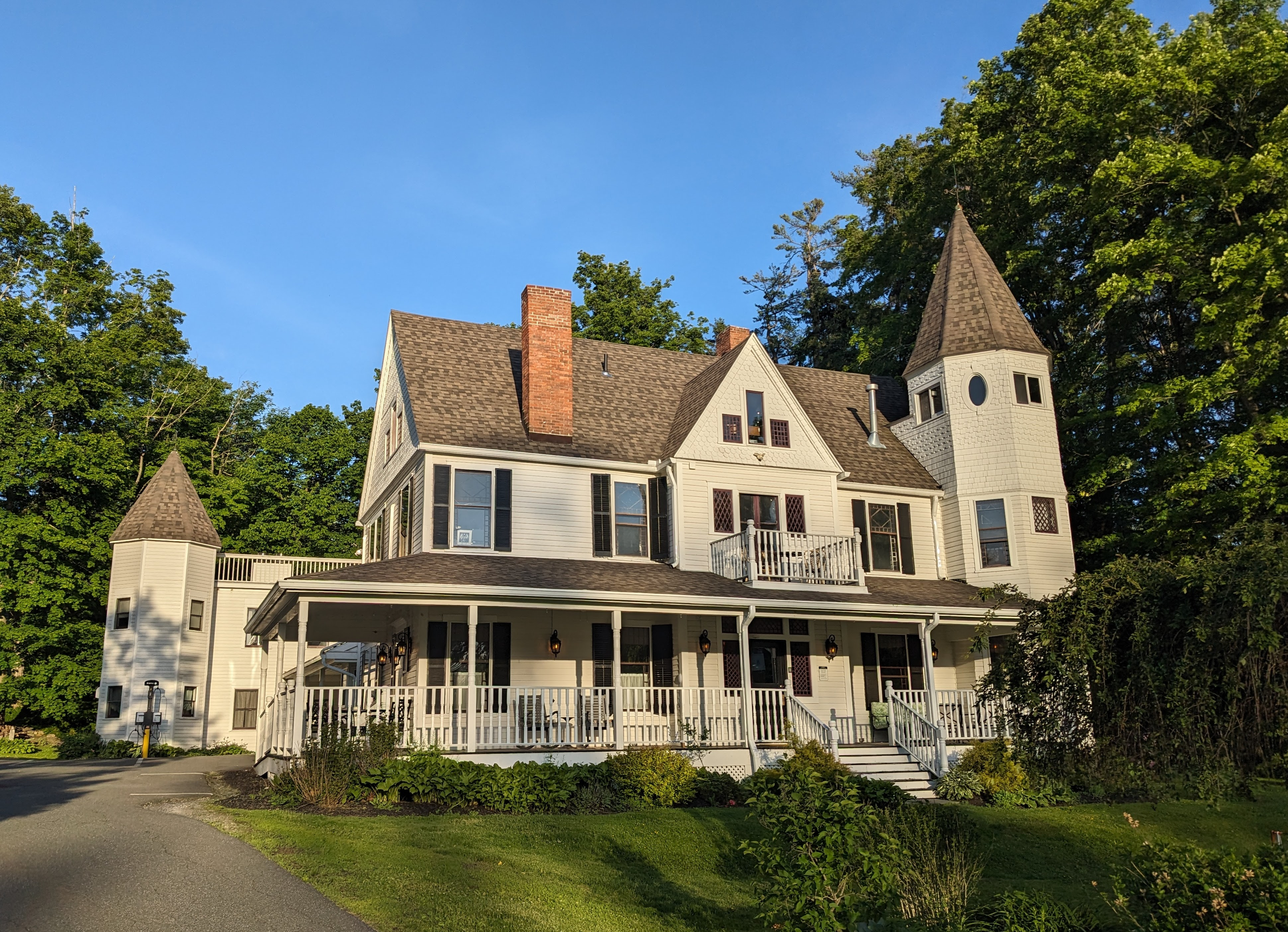
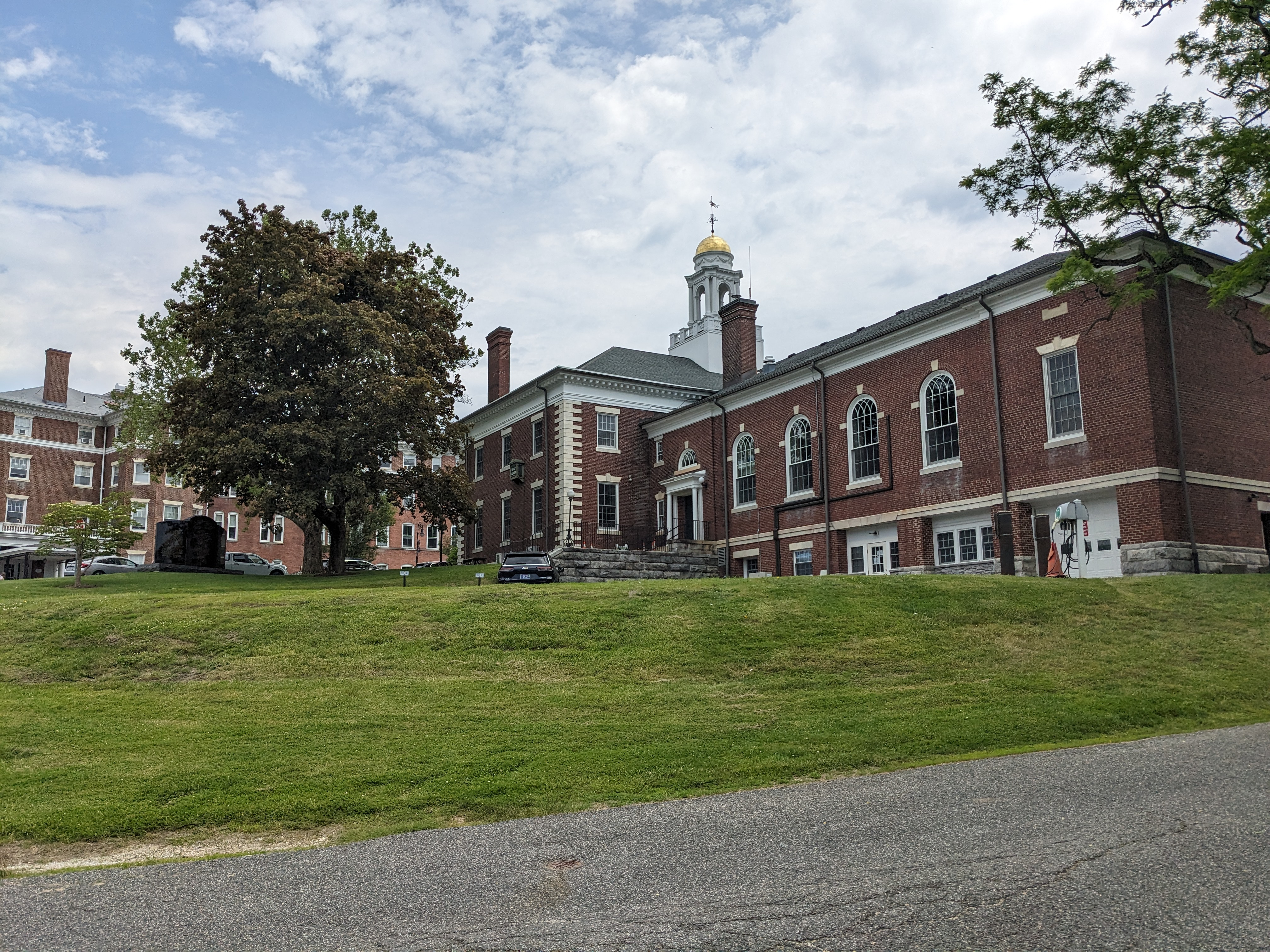
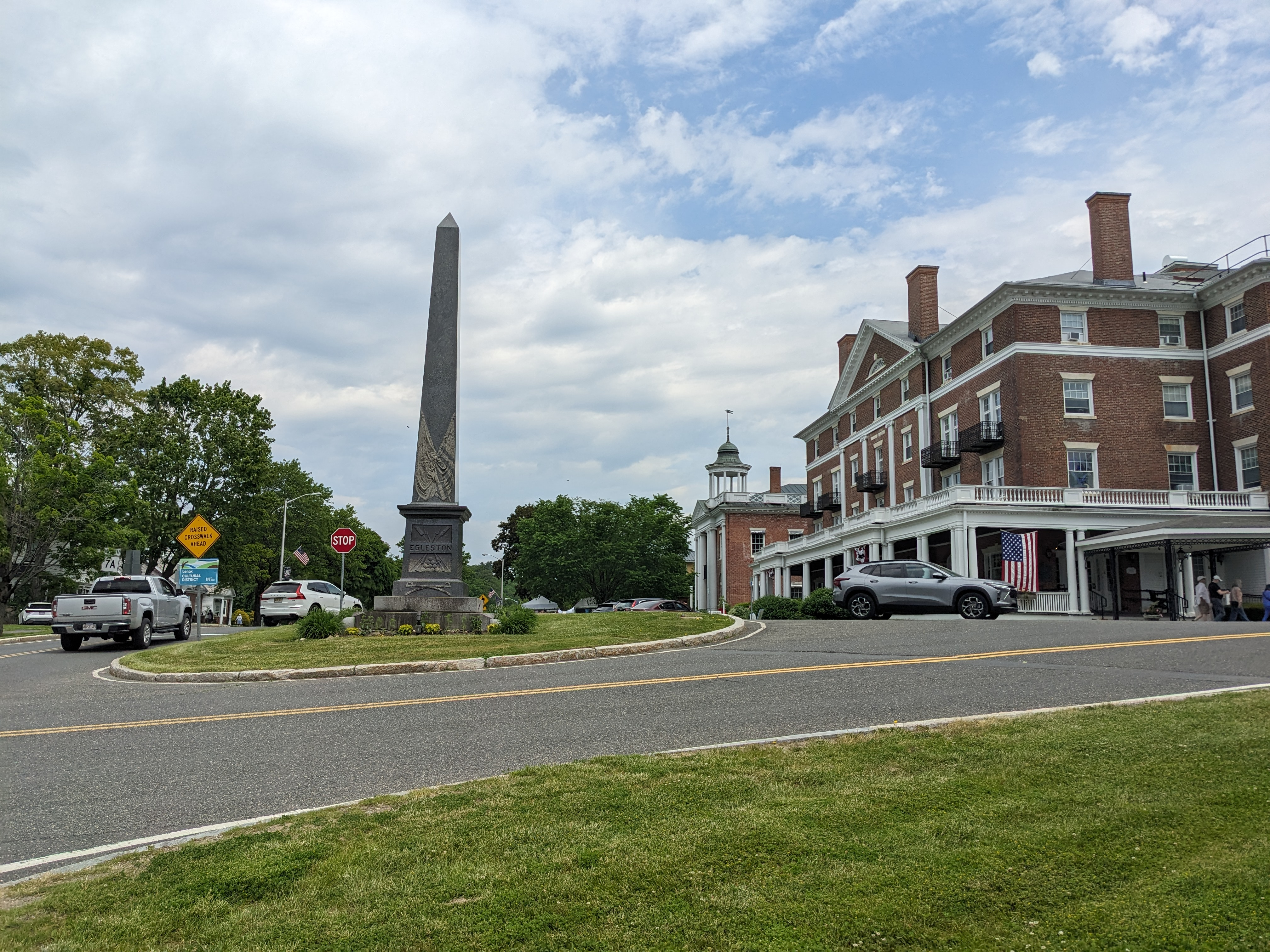
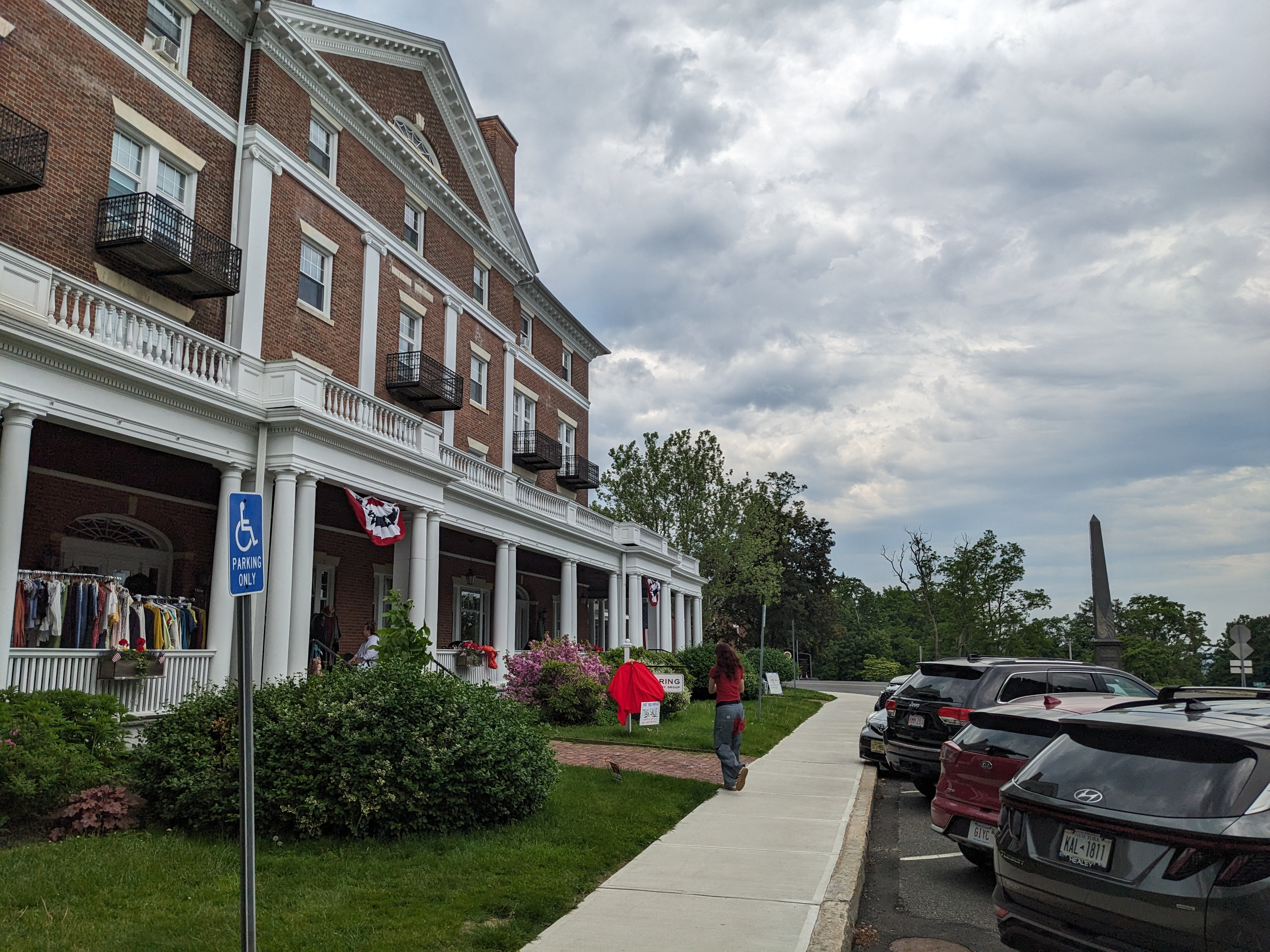
My starting point, once departing the Summit, was from my hotel, which was quite conveniently located in close proximity to the center of town. Called The Hideaway Inn (which, if ever you are in need of lodging in Lenox, I highly recommend!!), this beautifully restored Victorian establishment offered central access to town. Upon approach to the intersection of Old Stockbridge Road and Walker Street, to my right was the sprawling, red brick, 125-year-old Lenox Town Hall (built in 1901). Across from the Town Hall, on the northern side of Walker Streeet, was situated The Curtis Hotel, built in 1829. Teddy Wharton and his family often stayed here while summering in the Berkshires, and Edith’s governess and confidante, Anna Bahlmann, also stayed here while the Whartons were in Lenox. The wrap-around porch and stately brick structure lends an air of sophistication to the town, also very similar in build to the Town Hall.
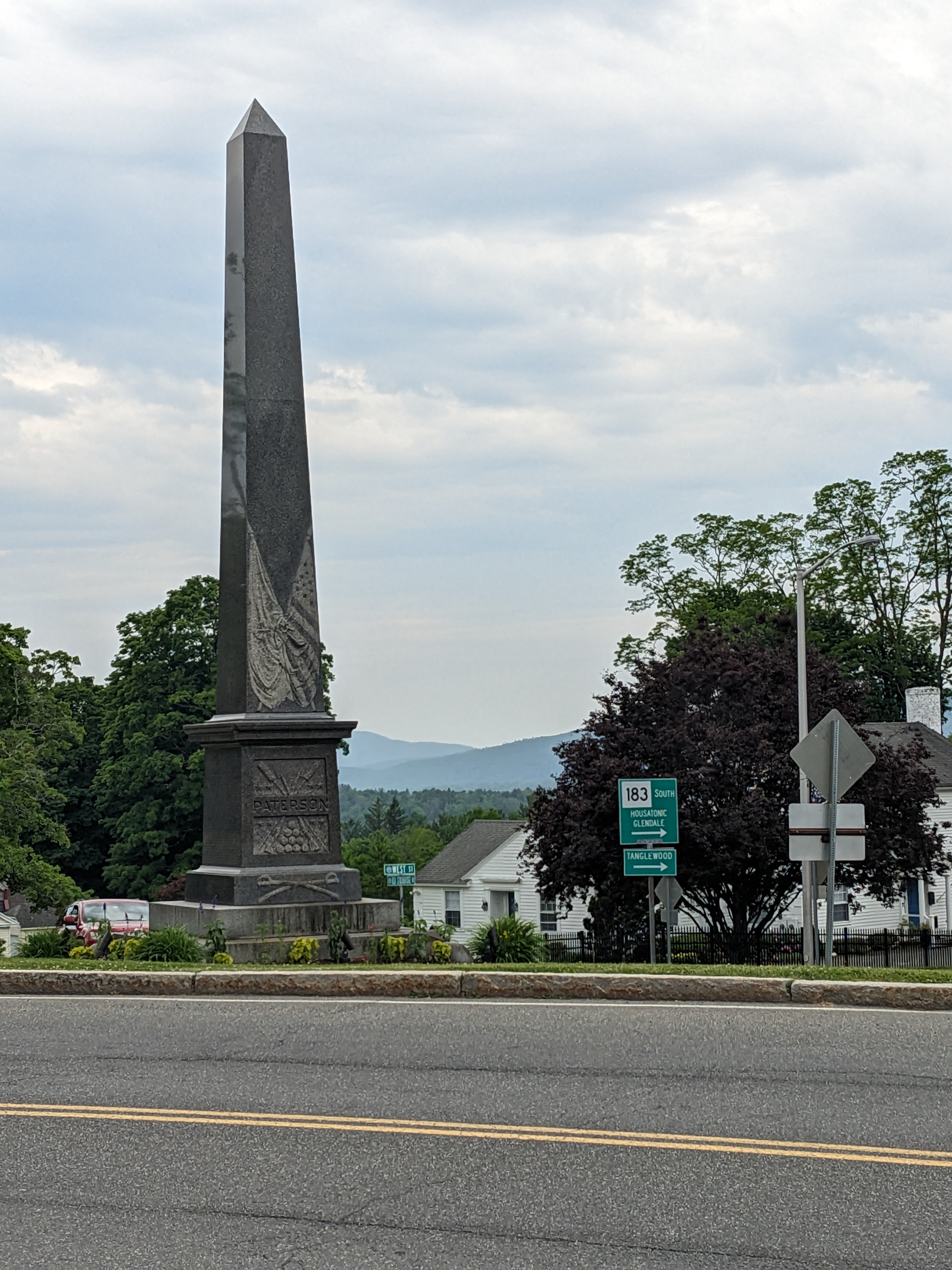
While meandering throughout this intersection, one’s eye is drawn to the stone obelisk, named the Paterson-Egleston Monument. Dedicated in 1892, this structure stands in tribute to two prominent local families who were very much involved in the American Revolution and the early development of the town. What is perhaps more intriguing, however, is that this is the very intersection where 18-year-old Hazel Crosby died in the historic sledding accident of 1904. As many Wharton enthusiasts may already know, it was this incident that served as inspiration for Wharton’s 1911 novella Ethan Frome. A survivor of this accident, Kate Spencer, later befriended Wharton, and also worked as a librarian in the Lenox Library.
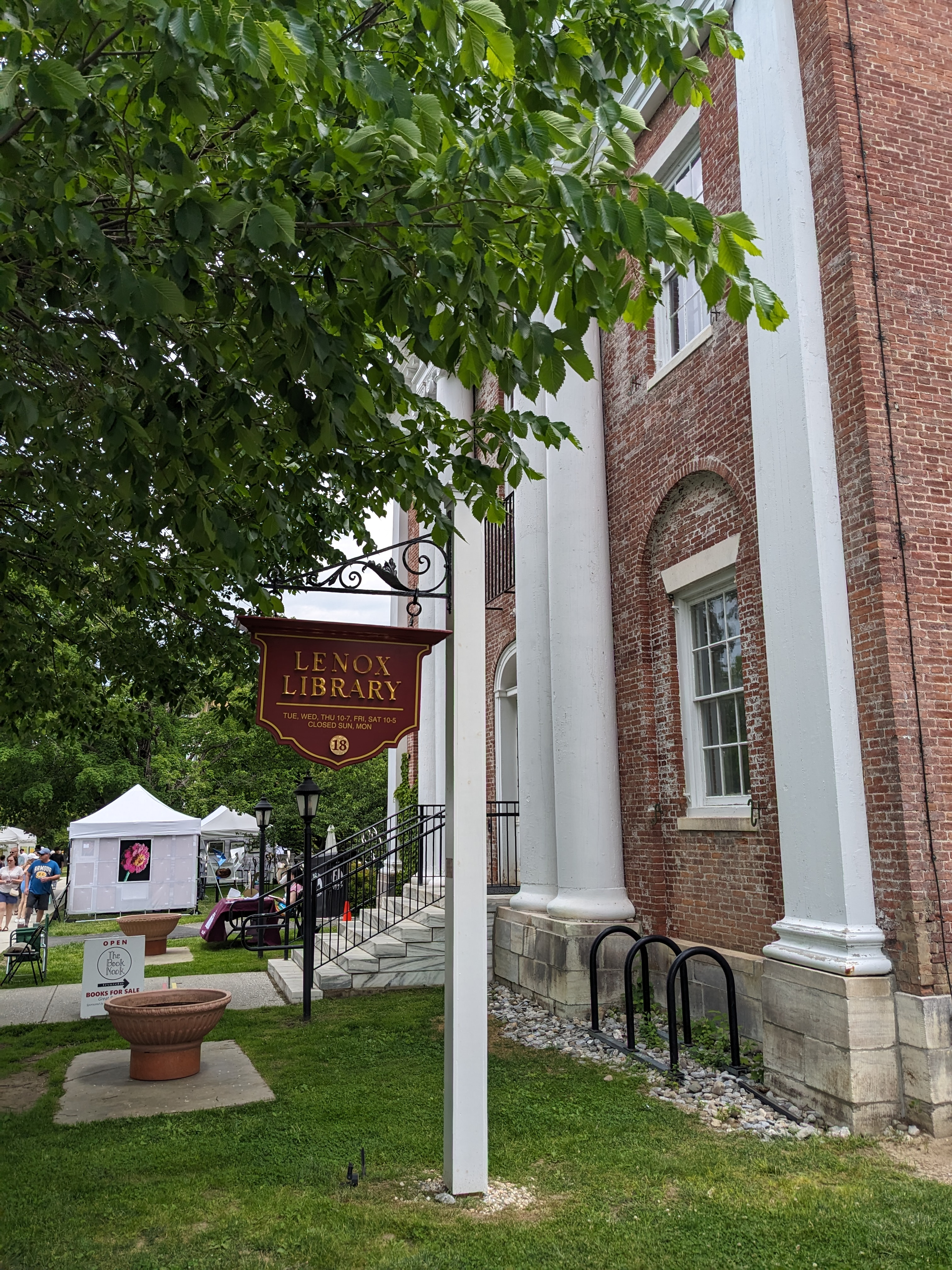
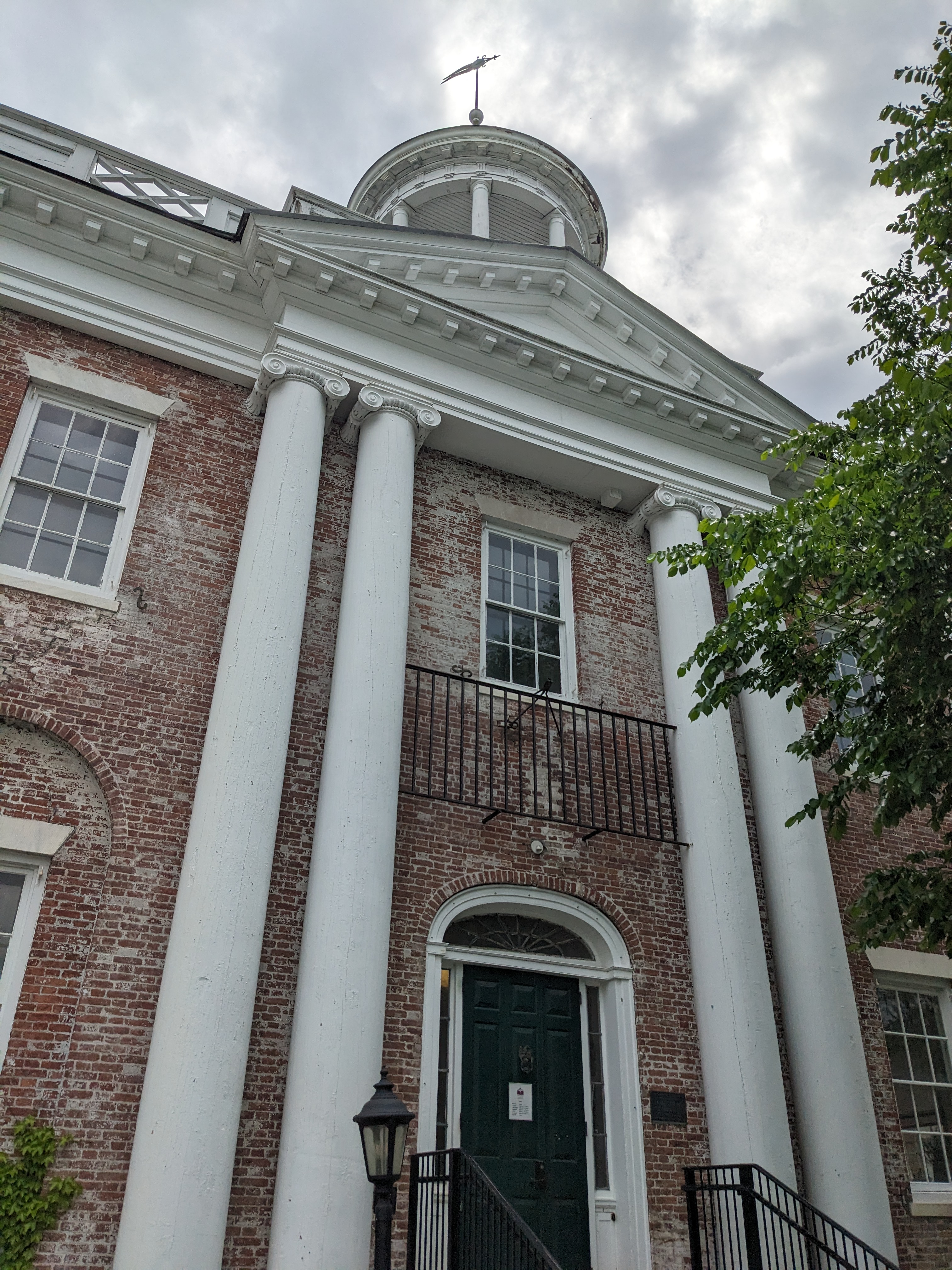
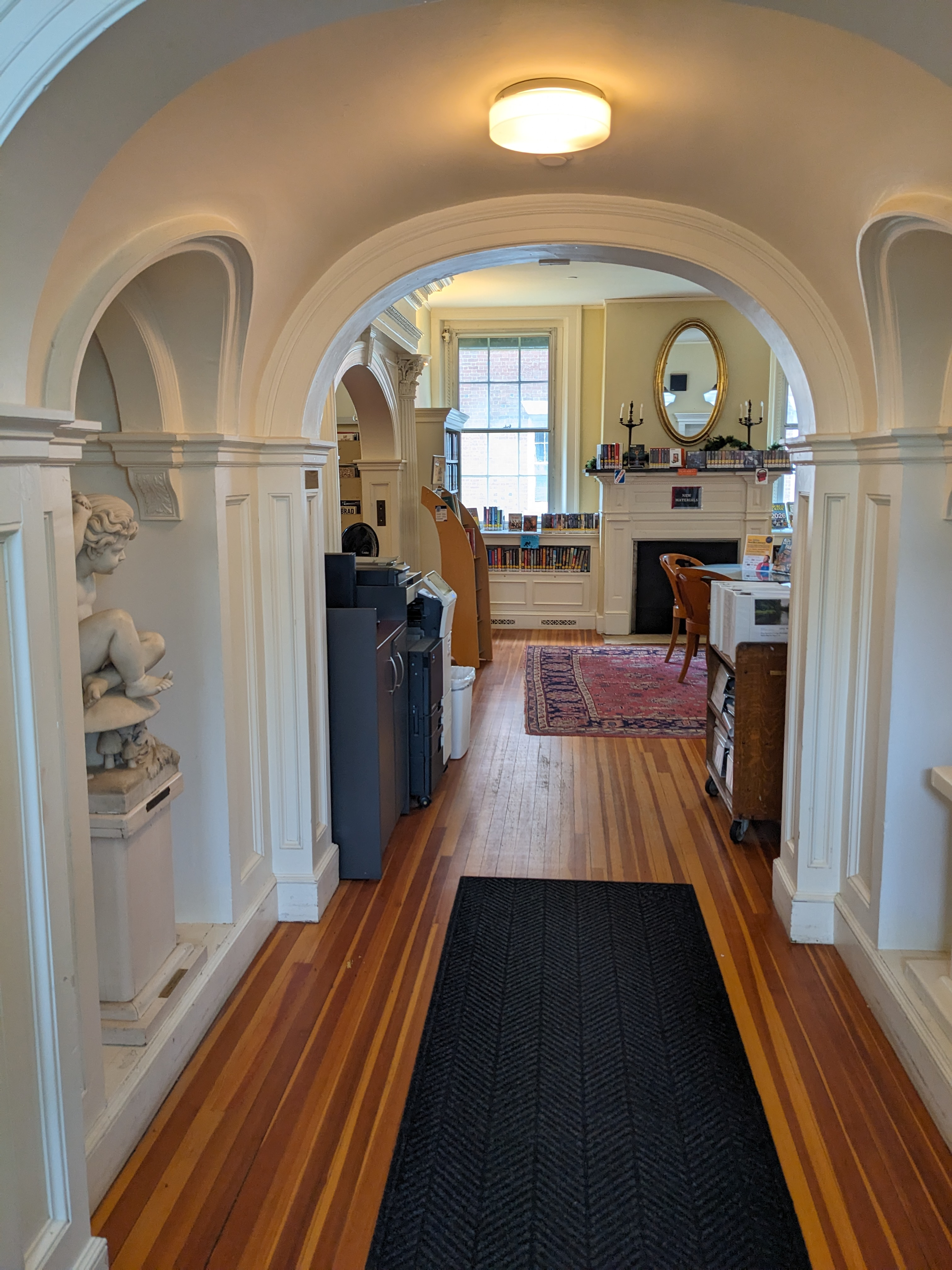
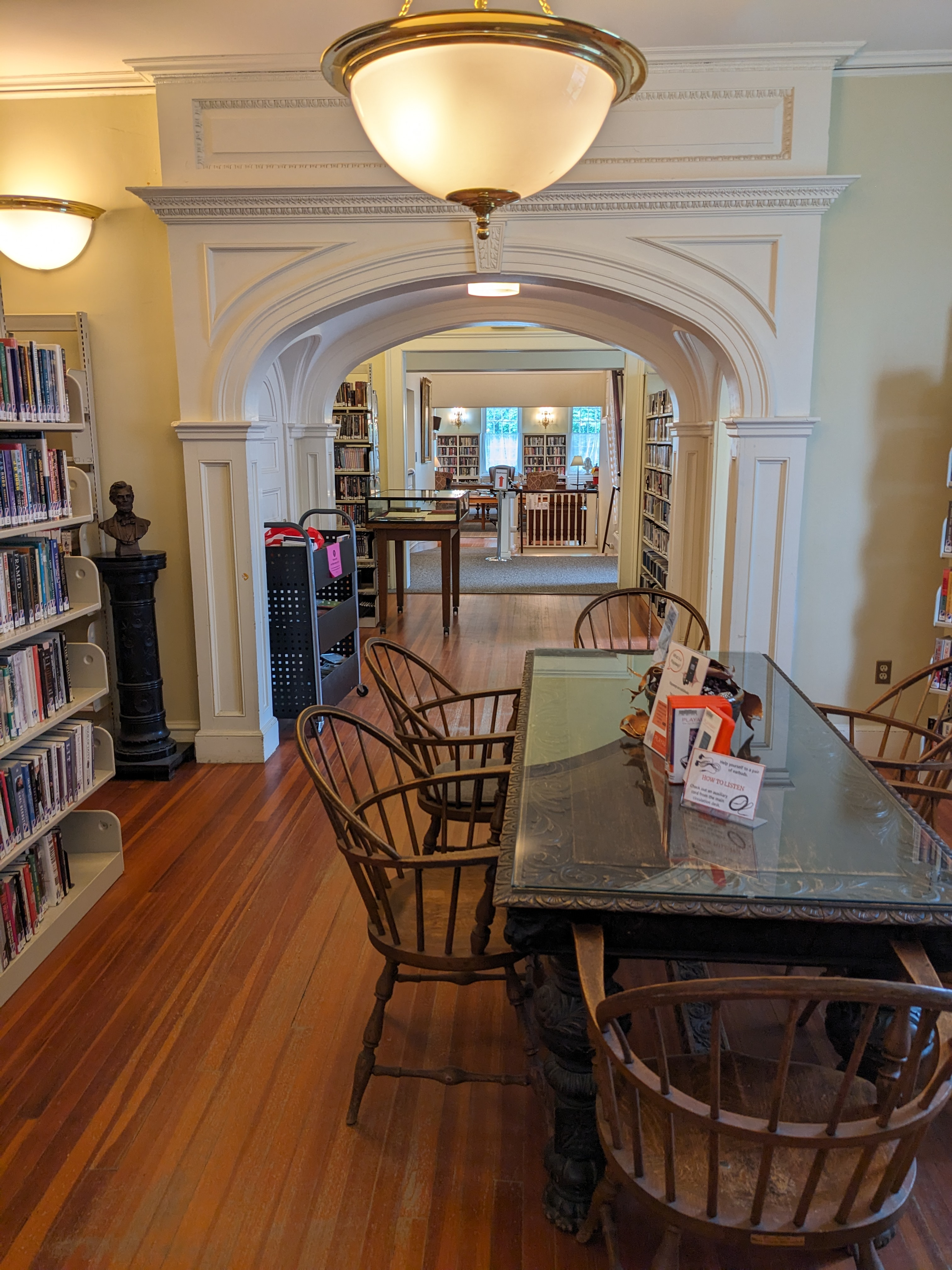
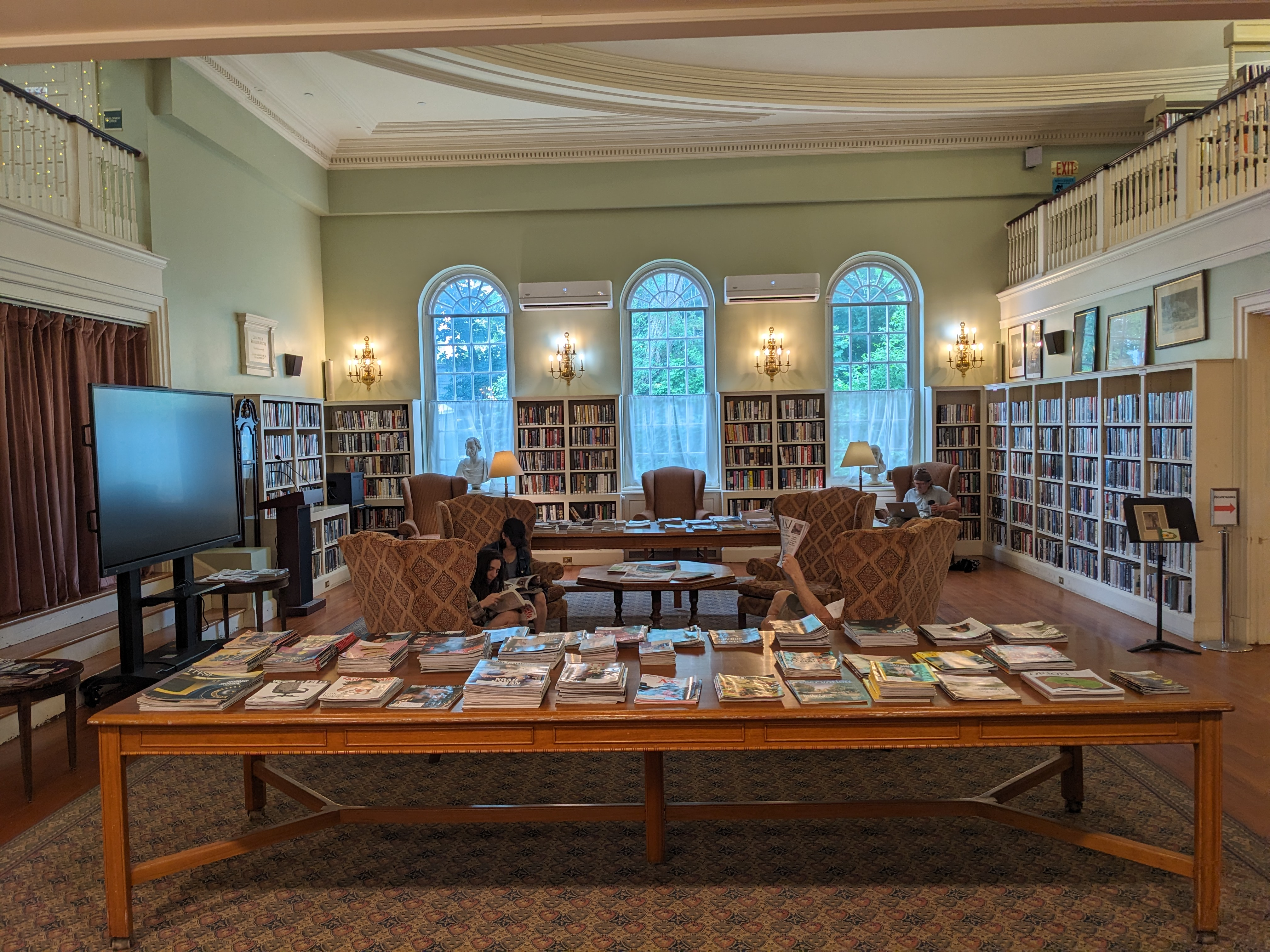
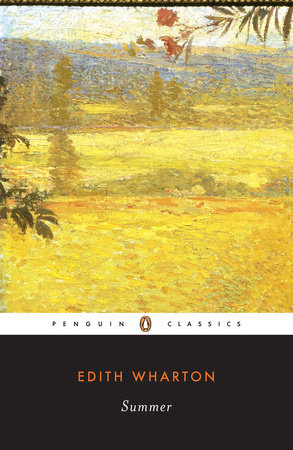
Mentioning the Lenox Library, it was this building that I next encountered on my walk deeper into town. Its unassuming exterior, while similar in design to the adjoining structures, does not betray any indication of the Wharton-rich materials that reside within. Upon entering and crossing the entrance vestibule, one is greeted by the front desk and helpful library staff. Wandering further, one can’t help but notice the original wood flooring and ornate white molding throughout. Traversing one reading room at a time, one also can’t help but recall in Edith Wharton’s Summer when Lucius Harney visits Charity Royall in the Hatchard Memorial Library, her place of employment, to assess the architectural integrity of the building, and where it could be extended, while also not failing to secure a brief moment of flirtation between one another.
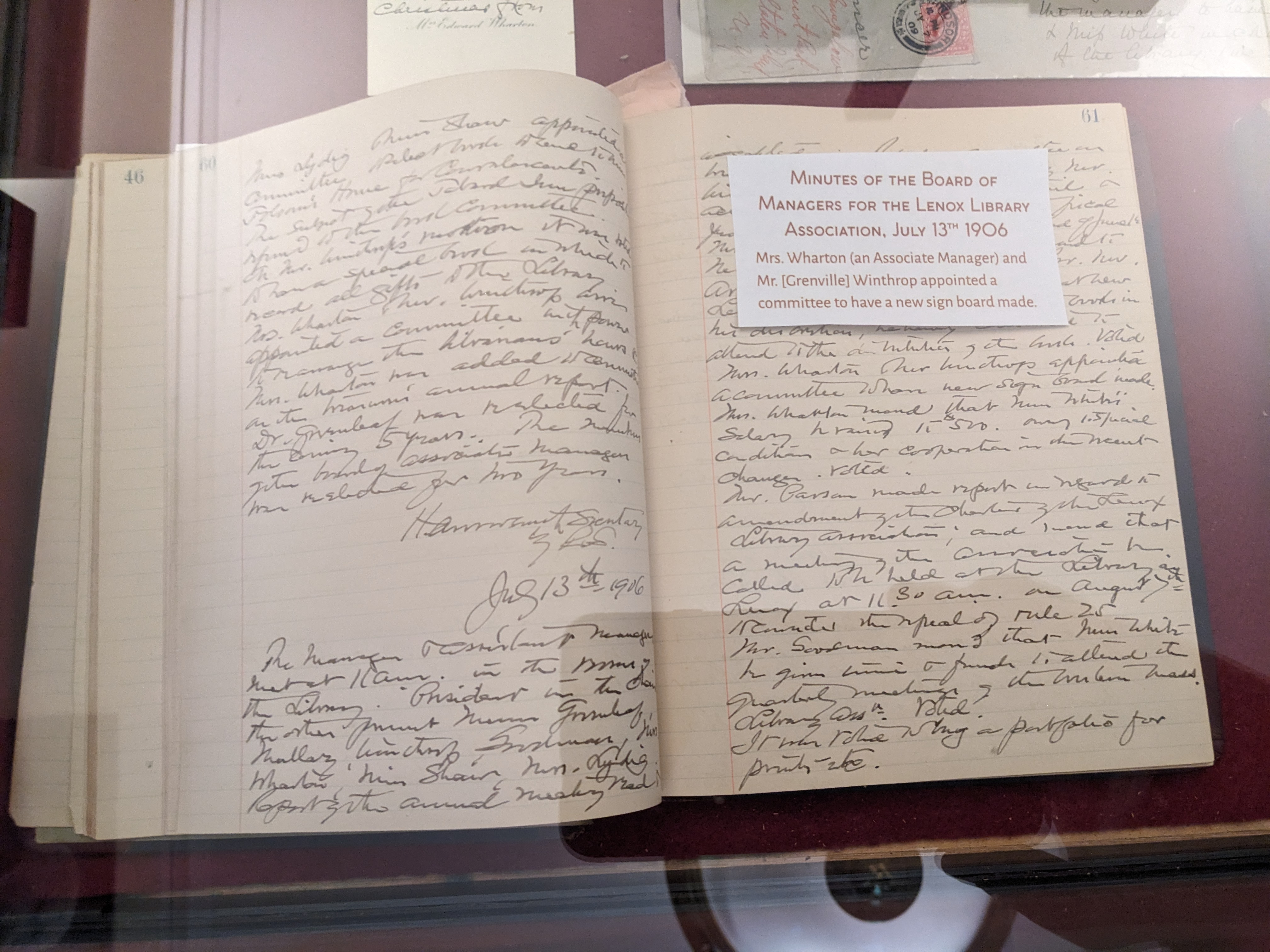
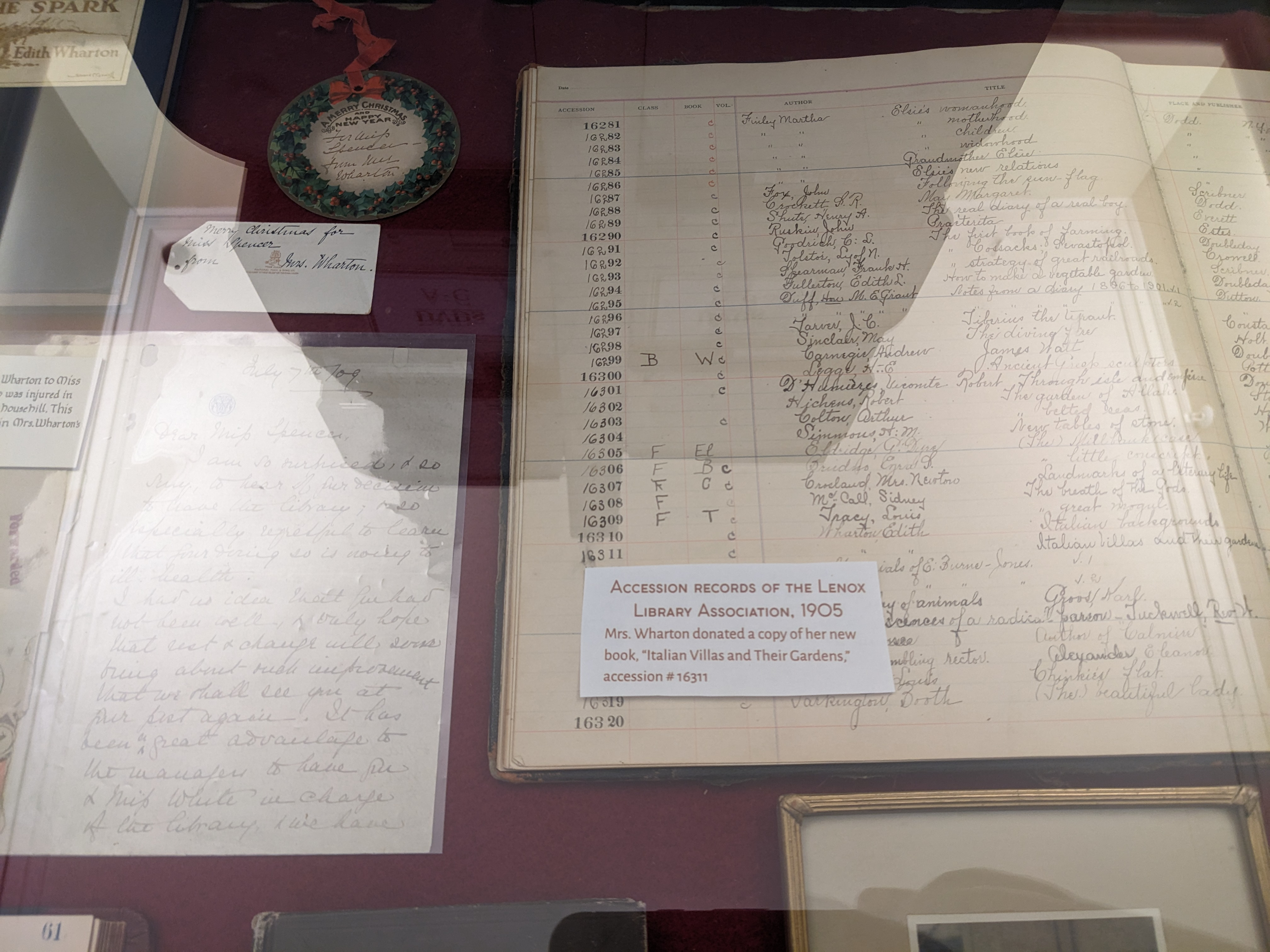
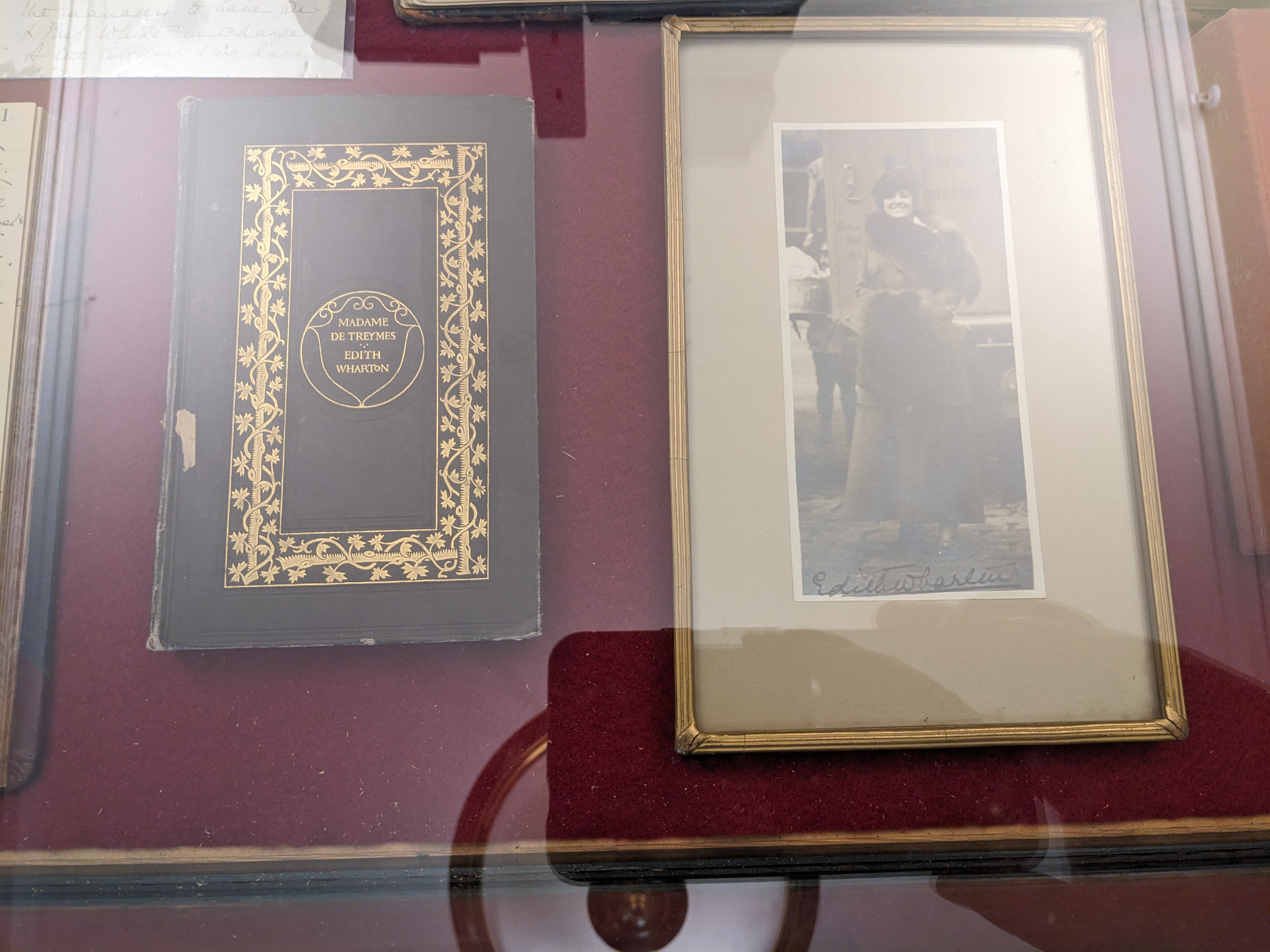
Enshrined within a glass display class, in one of the reading rooms, one finally encounters the fascinating memorabilia related to Wharton and her relationship with the Lenox Library. One open tome reveals the Minutes of the Board of Managers for the Lenox Library Association, dated July 13, 1906; it is within this record that Edith Wharton (associate manager), and Mr. Grenville Winthrop, appoint a committee to have a new sign board made. Also on display are the Accession Records of the Lenox Library Association, 1905. Adjoining these records are also first-edition copies, gifted to the library, of Wharton’s The House of Mirth (1905), Madame de Treymes (1907), and The Buccaneers (1938).


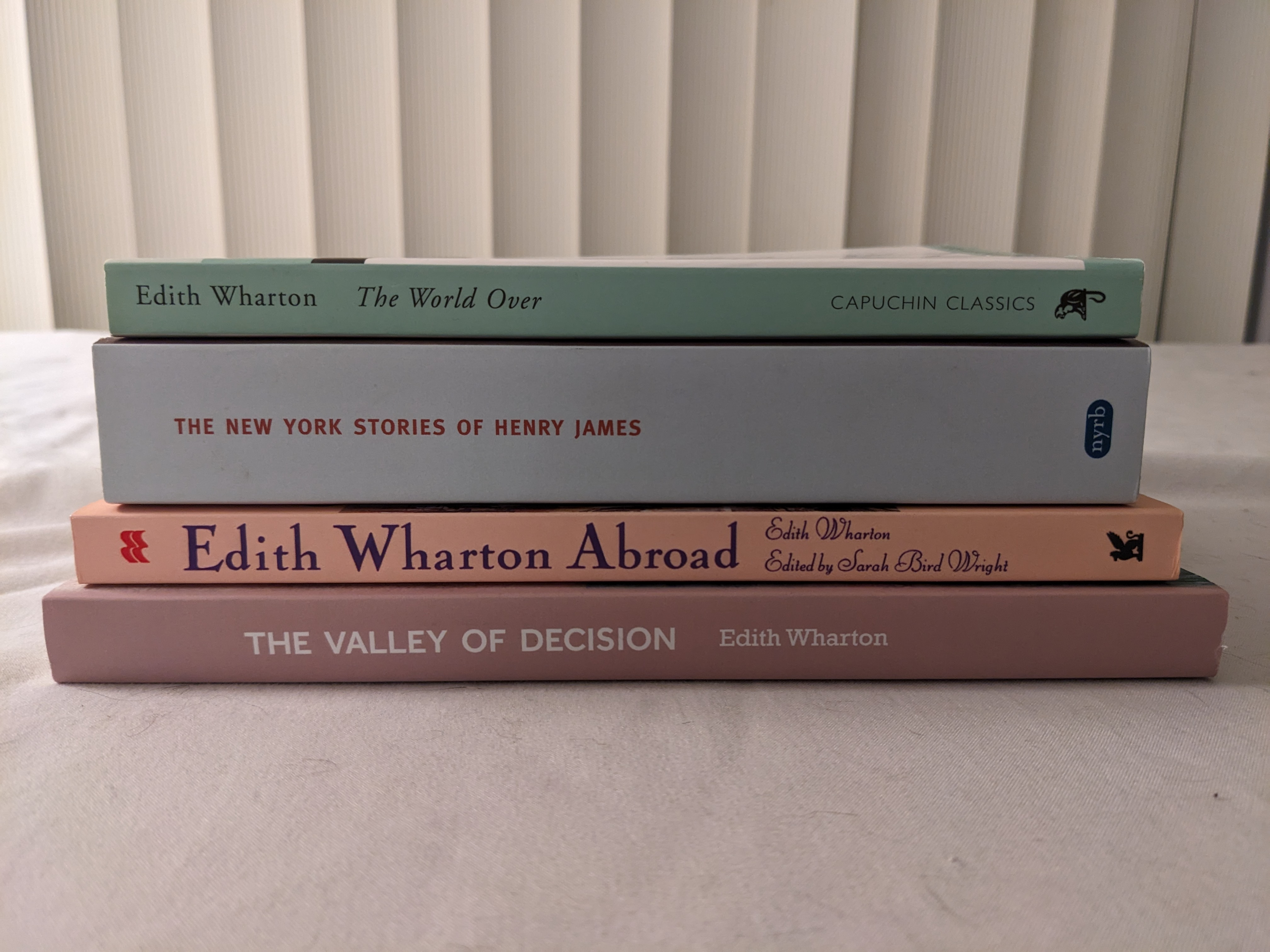
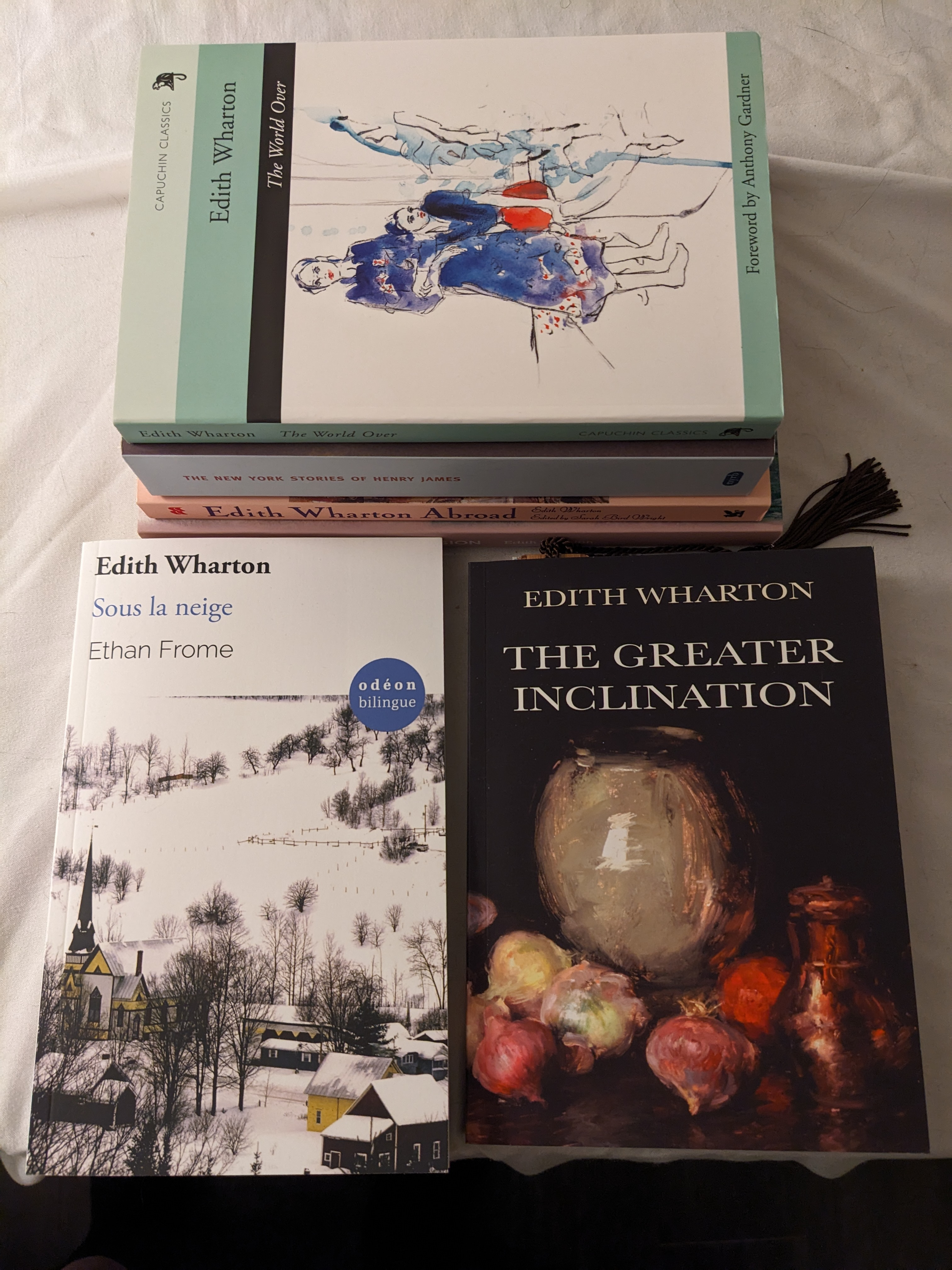
As this post comes to a close, I can’t help but share the wonderful editions of Wharton’s (and James’) works I was able to purchase at The Mount’s marvelous gift and bookshop. The titles are displayed accordingly. As a personal note, my purchase of Wharton’s The Valley of Decision officially completed my collection of Wharton’s novels, all of which I now own one copy or edition!! Please make it a point to visit this fabulous shop on your next visit to The Mount!!
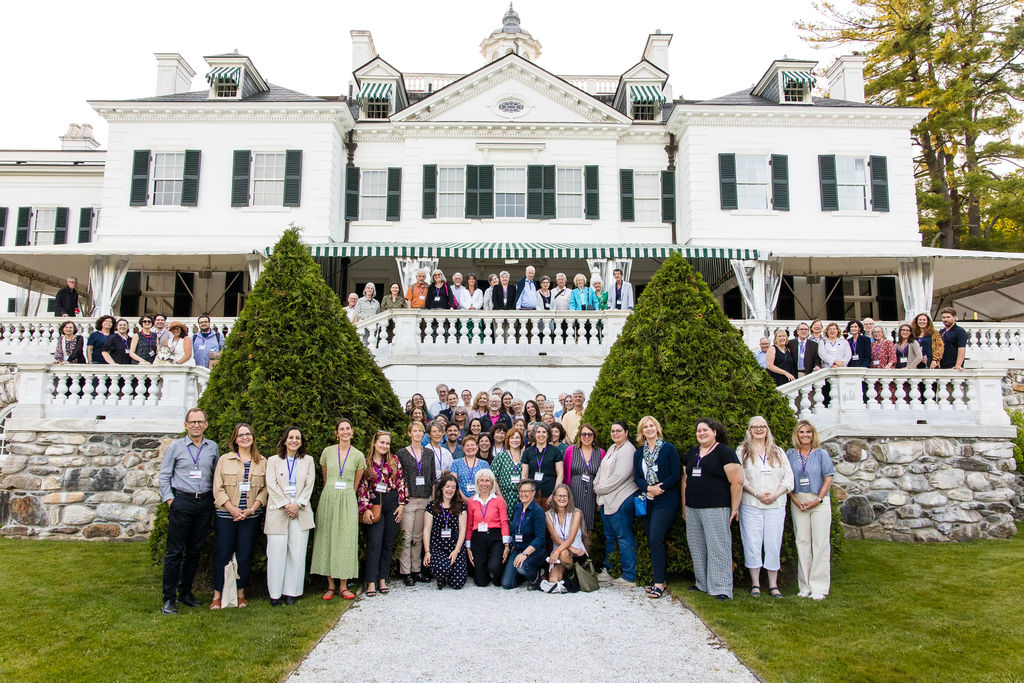
In final closing, please enjoy this group photo of the 2026 Edith Wharton Summit, professionally and artfully taken on Day 1; Photo: Eric Limon, courtesy of The Mount, Edith Wharton Cultural Center (Lenox, MA)
Thanks to everyone who has stopped by my blog for a look around, and a special thank you to Dr. Donna Campbell for sharing links to my posts on the Edith Wharton Society website. Please, by all means, consider subscribing to my blog, or commenting, and ask me anything further you’d like to know about this wonderful event. You can also email me at: jtamburello194@gmail.com. As always, please ask permission or give credit before reproducing any photos, and again, thank you for visiting!!


Recent Comments