Search

Red Pickle Dish

Edith Wharton Revisited

Tag

fiction

2026 Edith Wharton Summit: Day 3

So, while this post, Day 3, is not technically related to the Summit event schedule, it does go in depth concerning a location very much associated with The Mount – the town of Lenox, Massachusetts. Participants of the Summit were provided with a printed, and digital, “Edith Wharton Walking Tour” of Lenox, and it is from this document that I was inspired to go on foot through the town on the final day of the the Summit. This will be a brief tour, covering only a handful of points of interest – so here we go!!

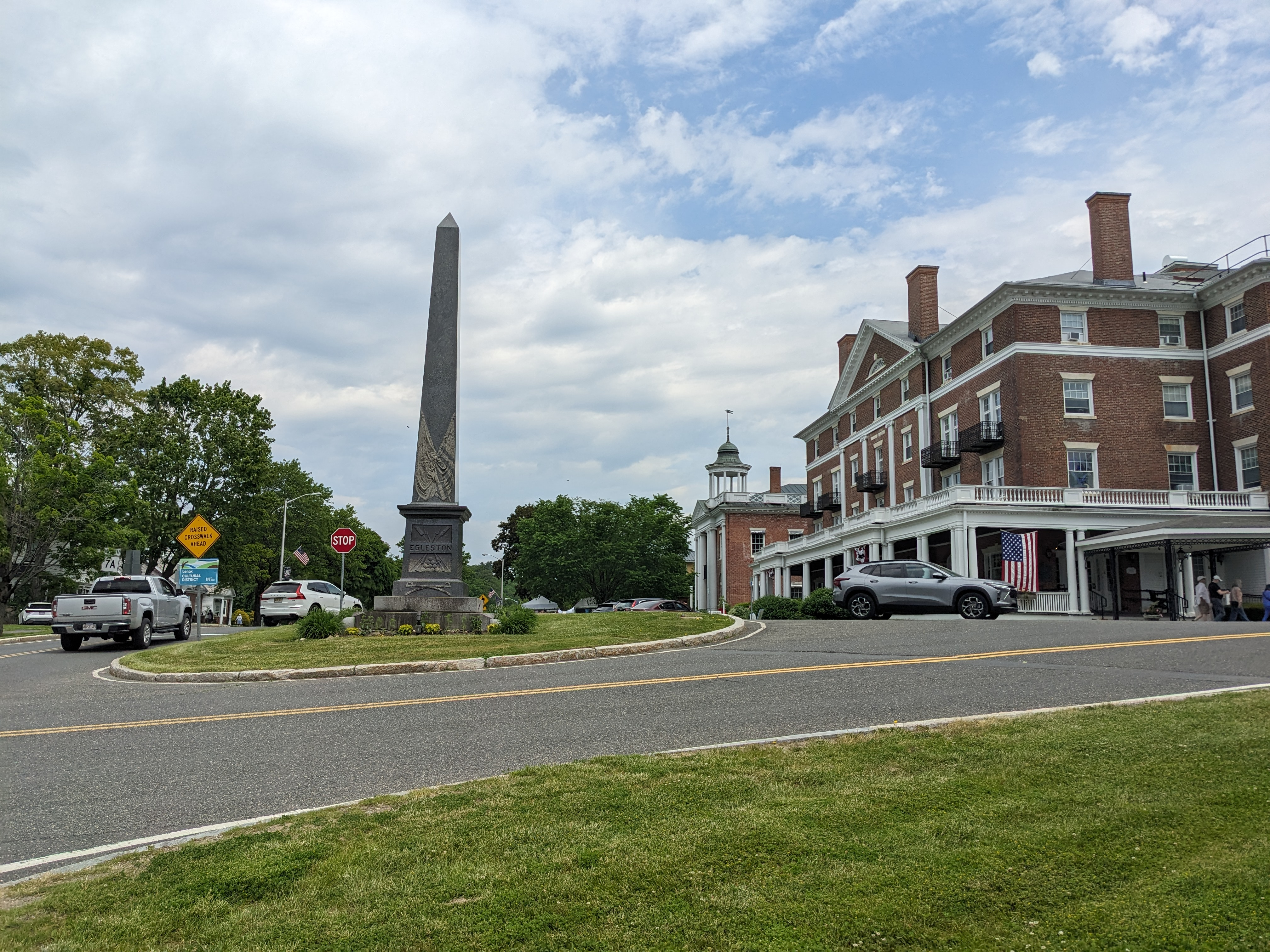
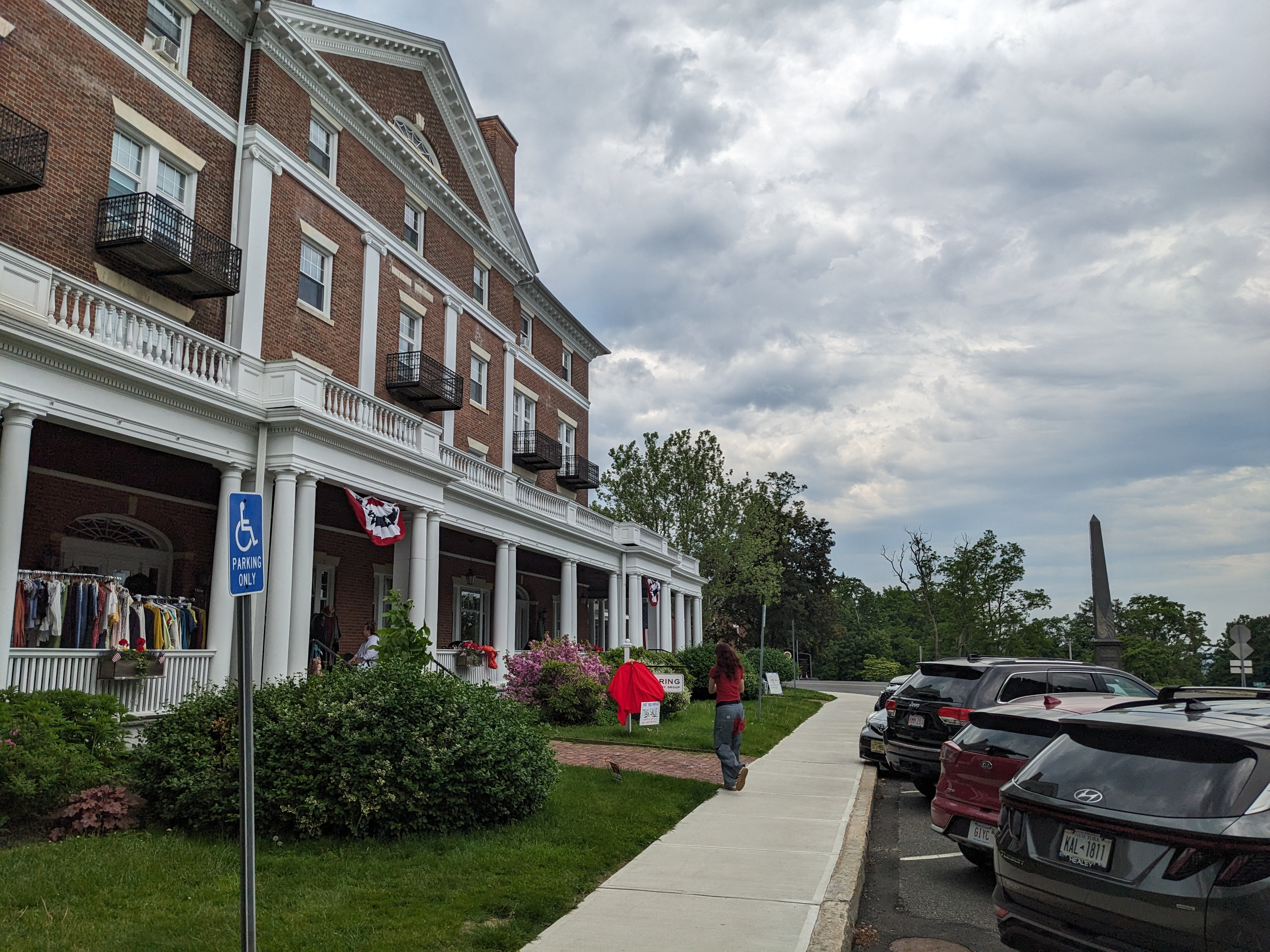
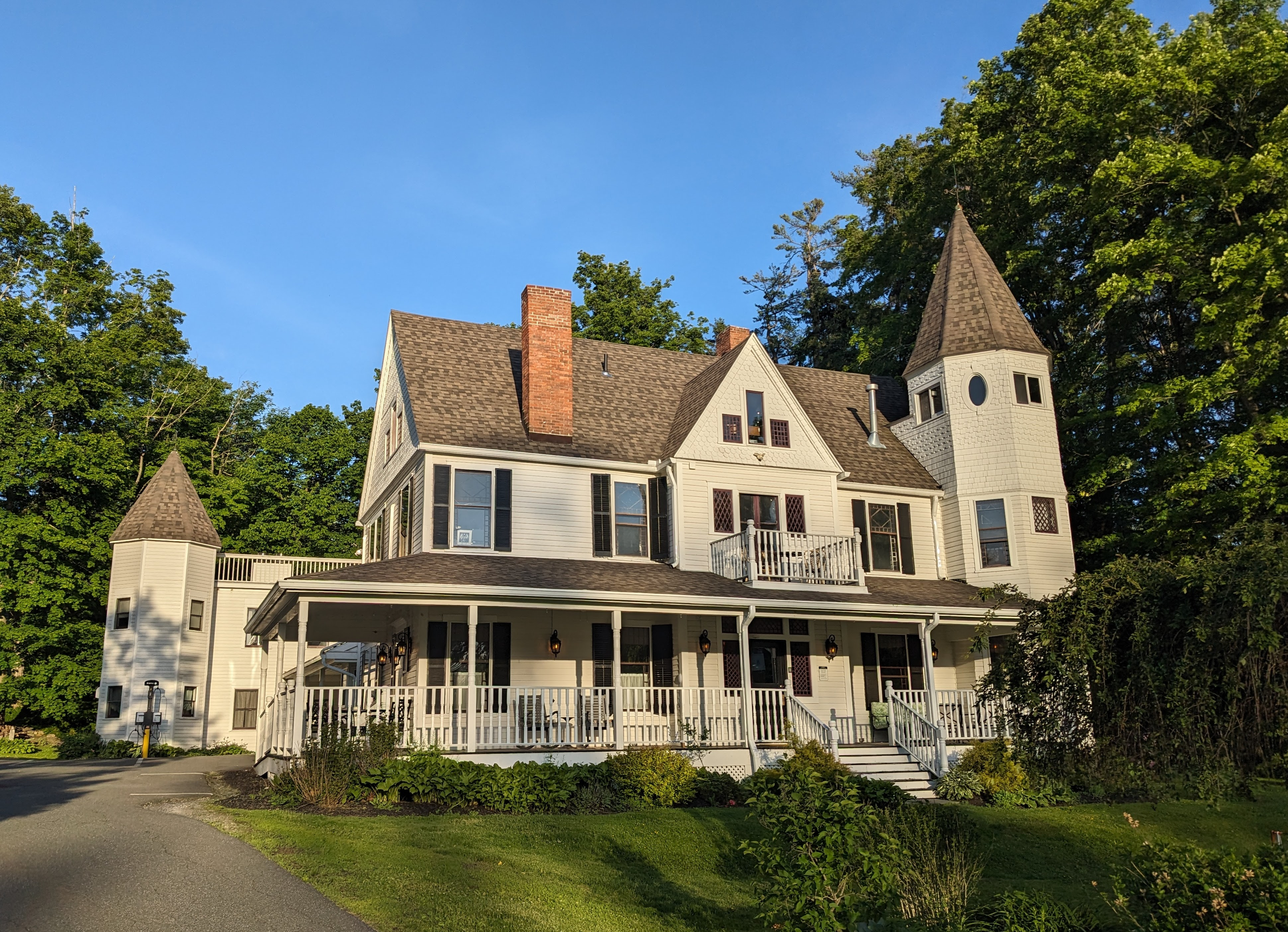
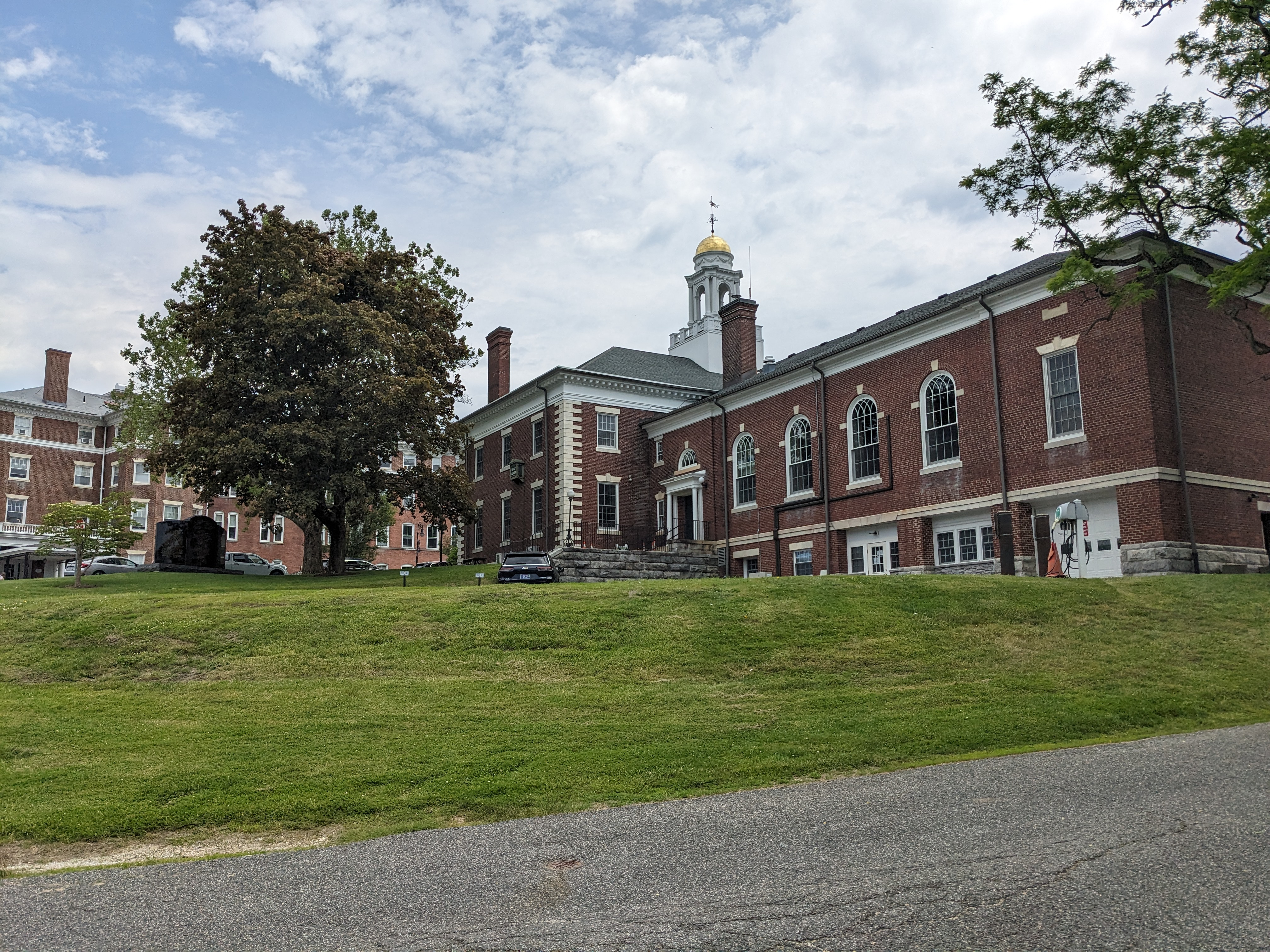
My starting point, once departing the Summit, was from my hotel, which was quite conveniently located in close proximity to the center of town. Called The Hideaway Inn (which, if ever you are in need of lodging in Lenox, I highly recommend!!), this beautifully restored Victorian establishment offered central access to town. Upon approach to the intersection of Old Stockbridge Road and Walker Street, to my right was the sprawling, red brick, 125-year-old Lenox Town Hall (built in 1901). Across from the Town Hall, on the northern side of Walker Streeet, was situated The Curtis Hotel, built in 1829. Teddy Wharton and his family often stayed here while summering in the Berkshires, and Edith’s governess and confidante, Anna Bahlmann, also stayed here while the Whartons were in Lenox. The wrap-around porch and stately brick structure lends an air of sophistication to the town, also very similar in build to the Town Hall.

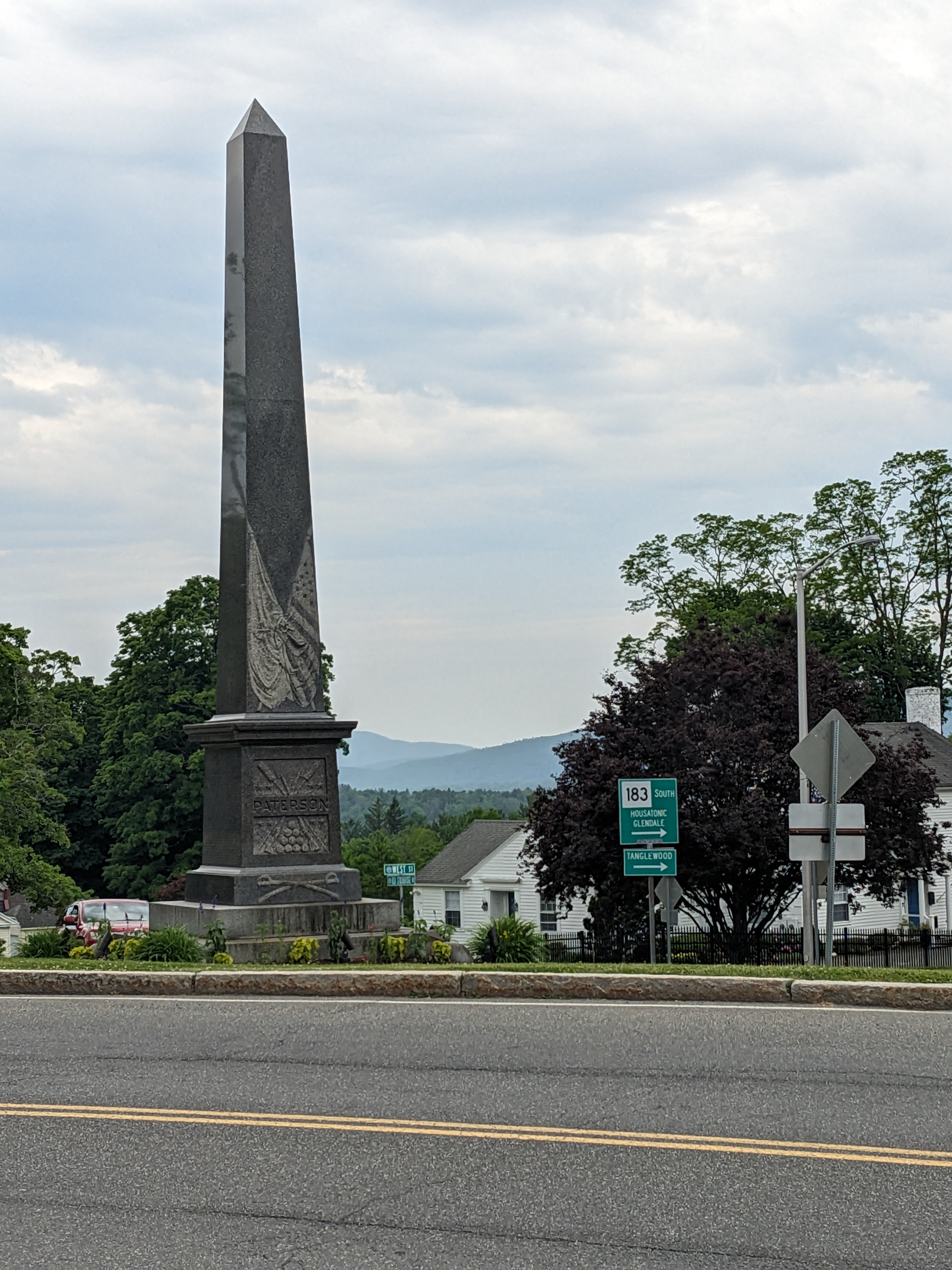
While meandering throughout this intersection, one’s eye is drawn to the stone obelisk, named the Paterson-Egleston Monument. Dedicated in 1892, this structure stands in tribute to two prominent local families who were very much involved in the American Revolution and the early development of the town. What is perhaps more intriguing, however, is that this is the very intersection where 18-year-old Hazel Crosby died in the historic sledding accident of 1904. As many Wharton enthusiasts may already know, it was this incident that served as inspiration for Wharton’s 1911 novella Ethan Frome. A survivor of this accident, Kate Spencer, later befriended Wharton, and also worked as a librarian in the Lenox Library.

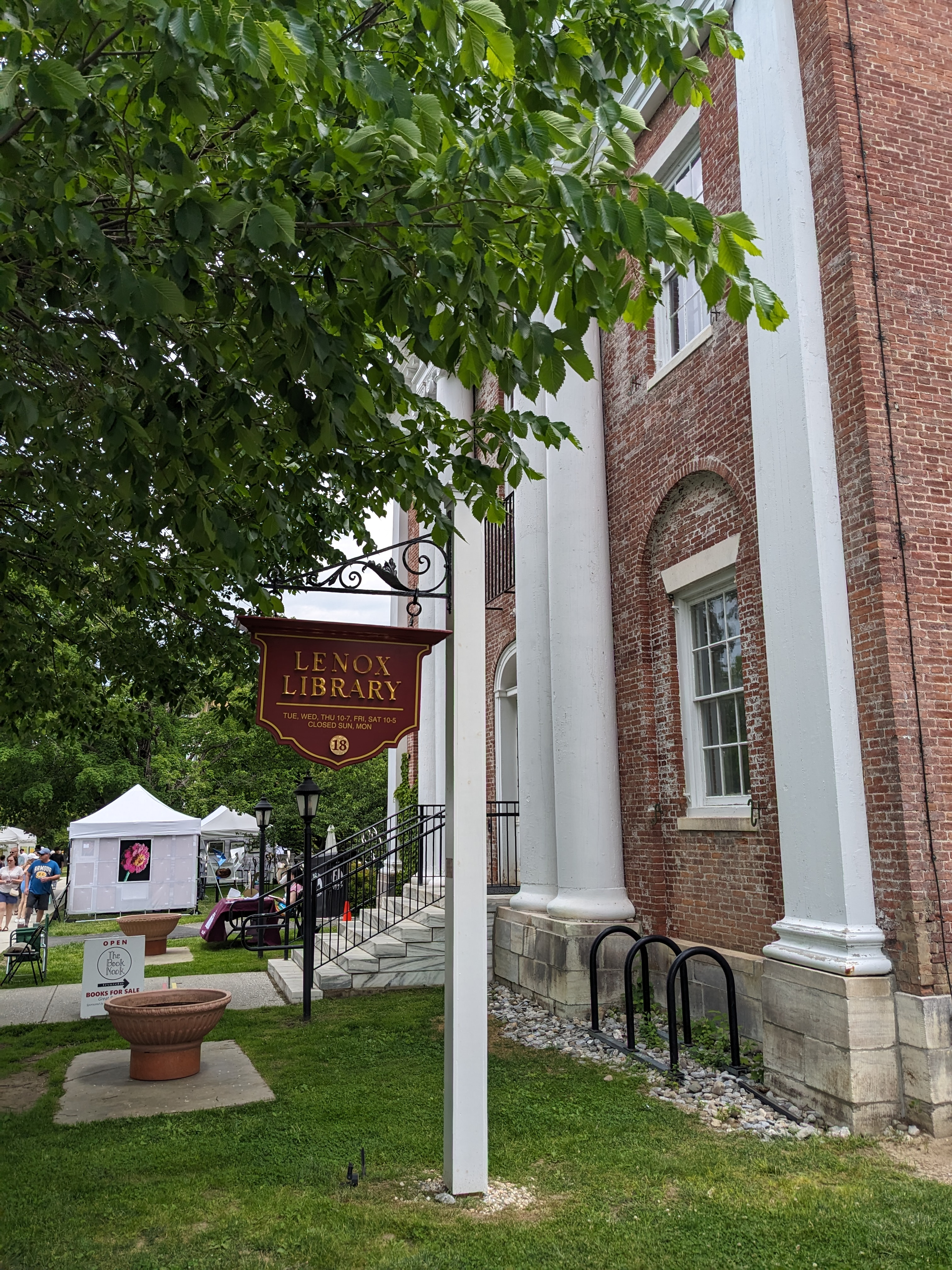
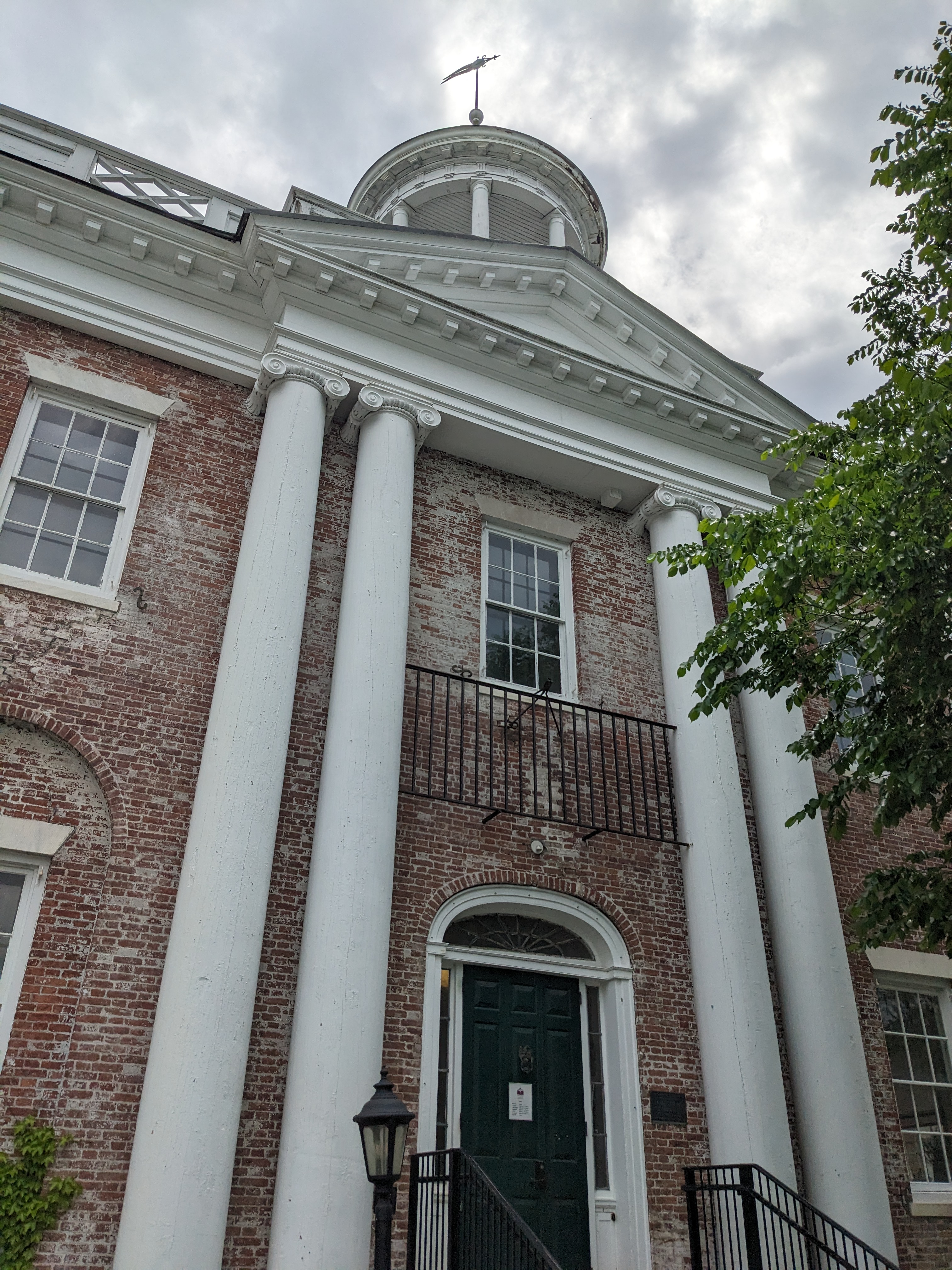
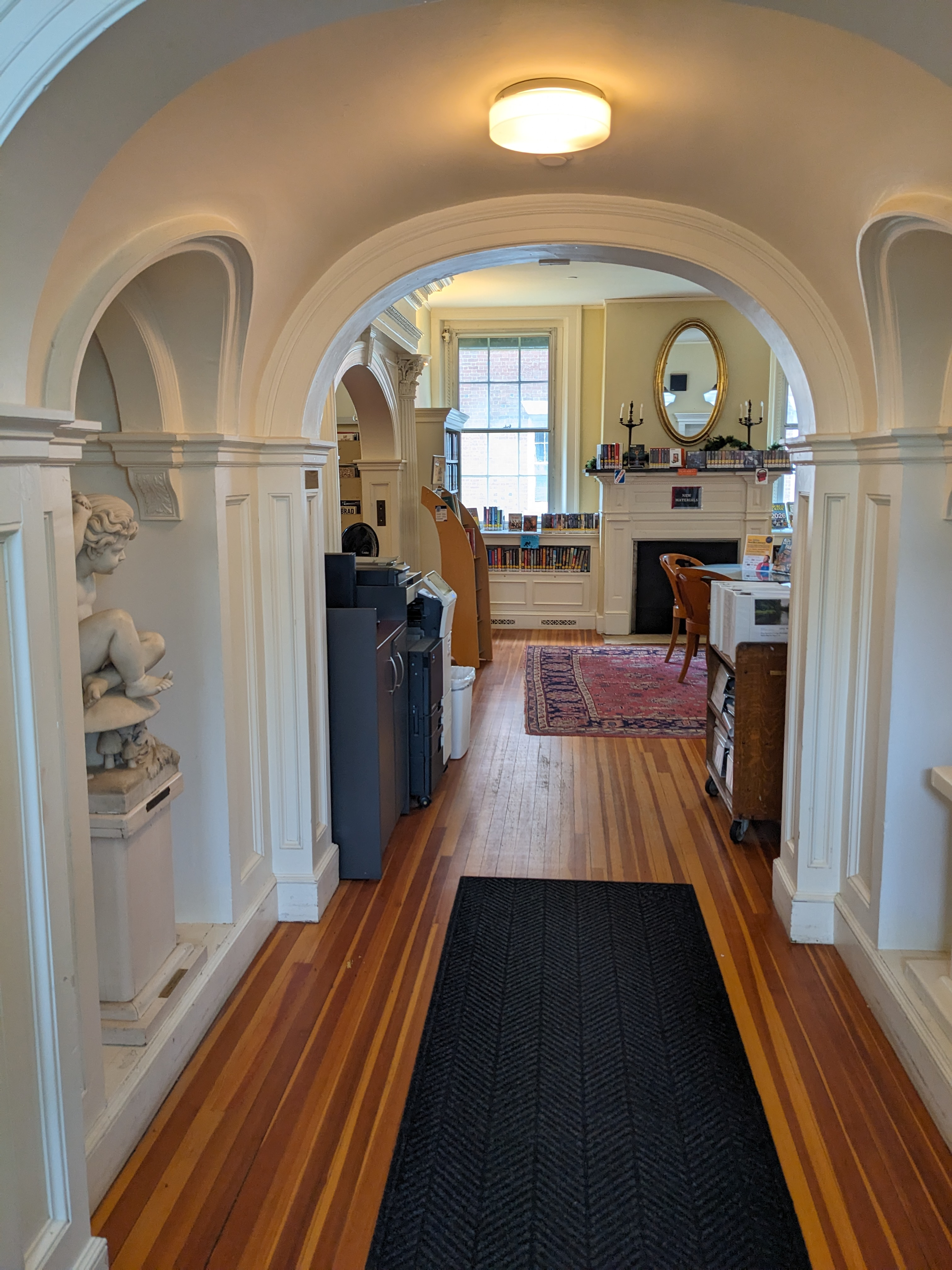
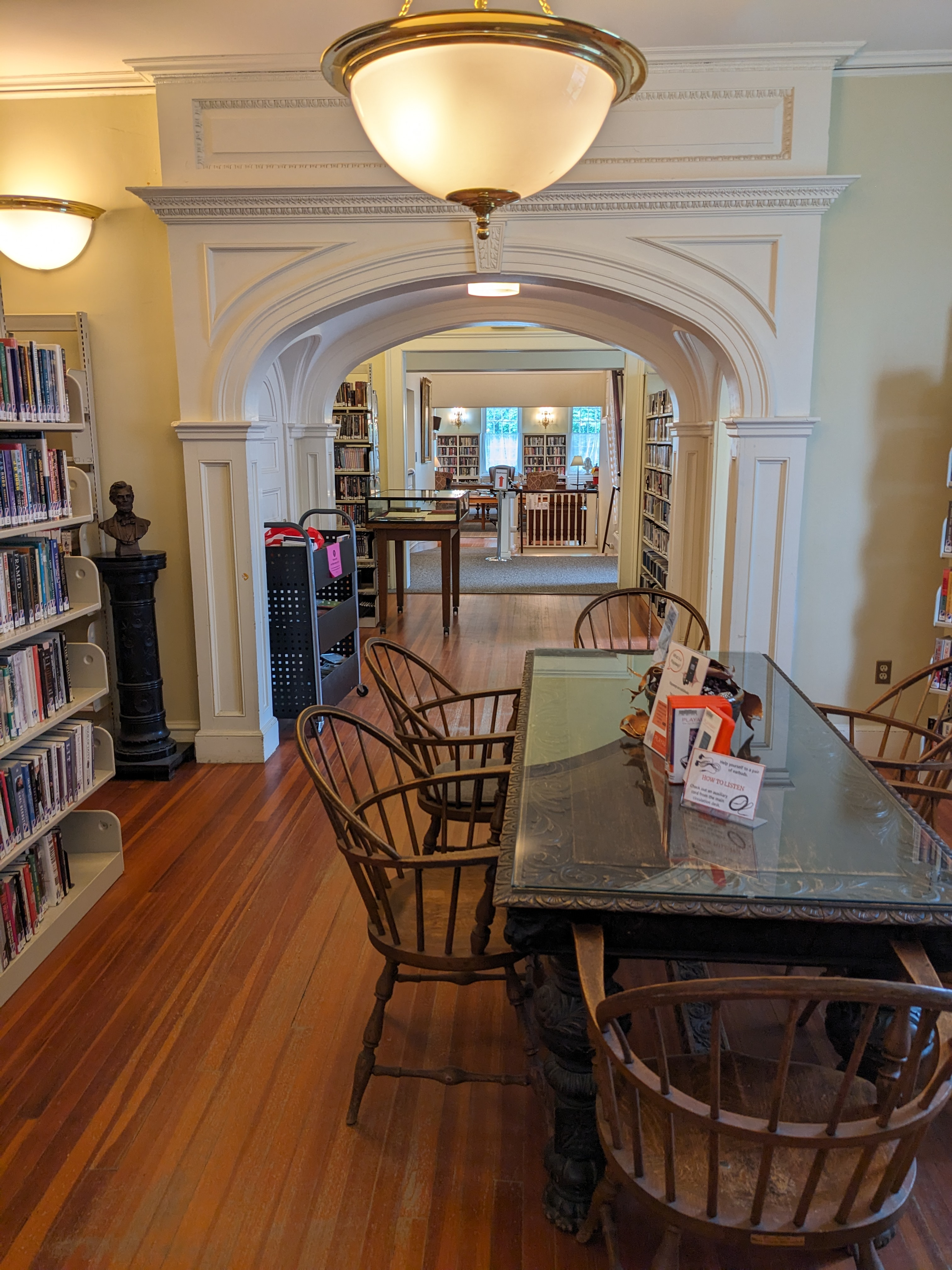
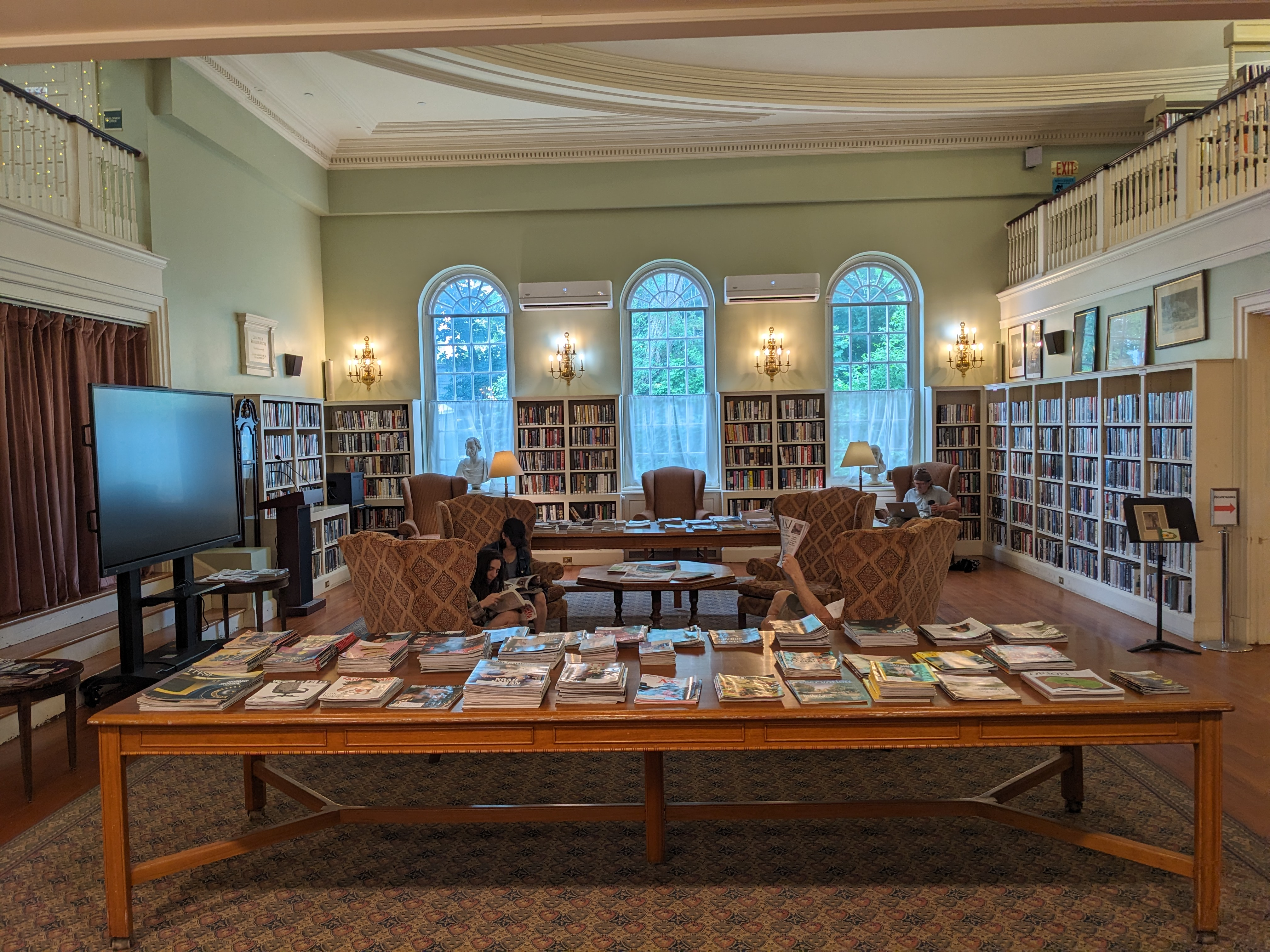
Mentioning the Lenox Library, it was this building that I next encountered on my walk deeper into town. Its unassuming exterior, while similar in design to the adjoining structures, does not betray any indication of the Wharton-rich materials that reside within. Upon entering and crossing the entrance vestibule, one is greeted by the front desk and helpful library staff. Wandering further, one can’t help but notice the original wood flooring and ornate white molding throughout. Traversing one reading room at a time, one also can’t help but recall in Edith Wharton’s Summer when Lucius Harney visits Charity Royall in the Hatchard Memorial Library, her place of employment, to assess the architectural integrity of the building, and where it could be extended, while also not failing to secure a brief moment of flirtation between one another.

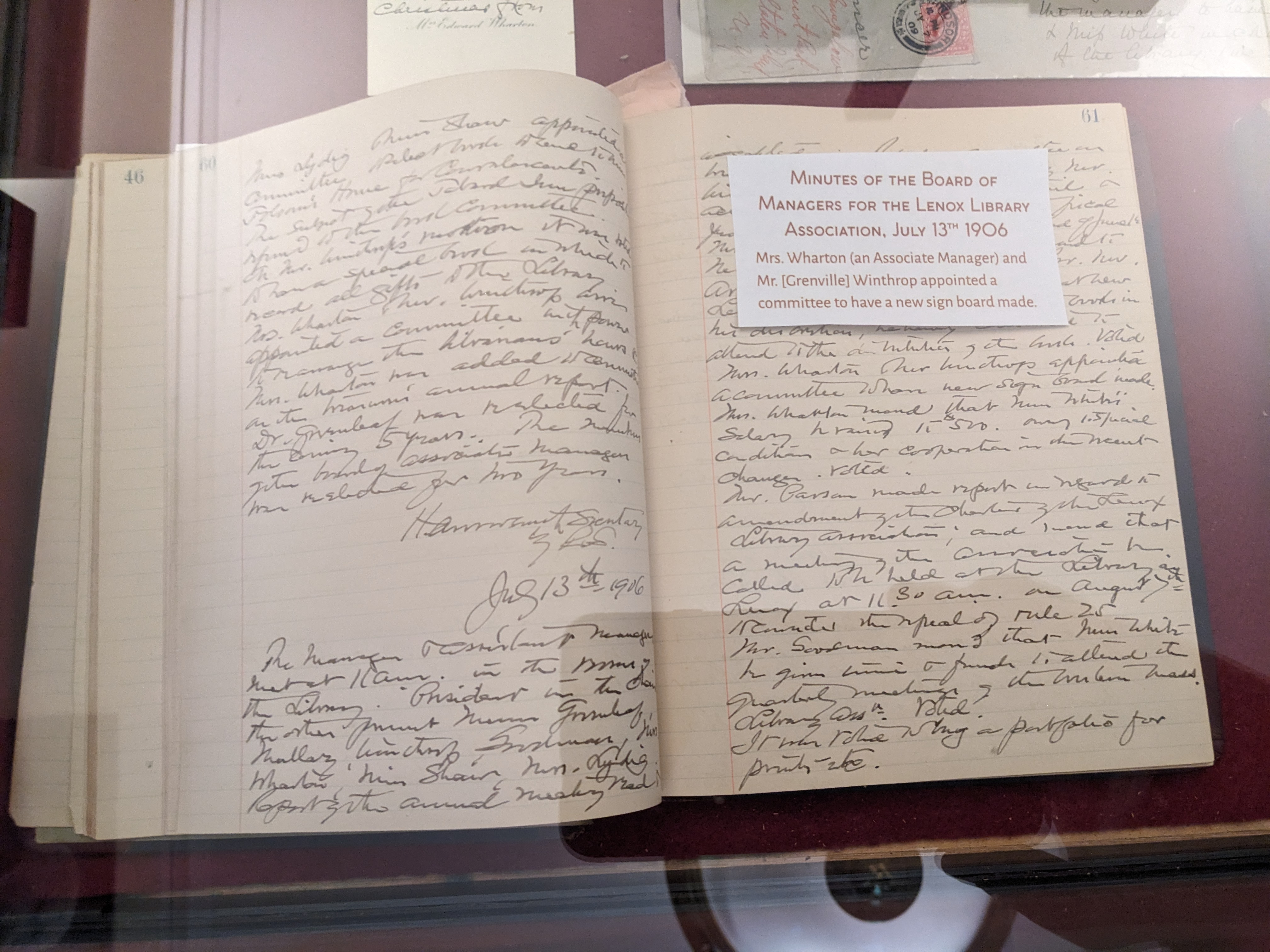
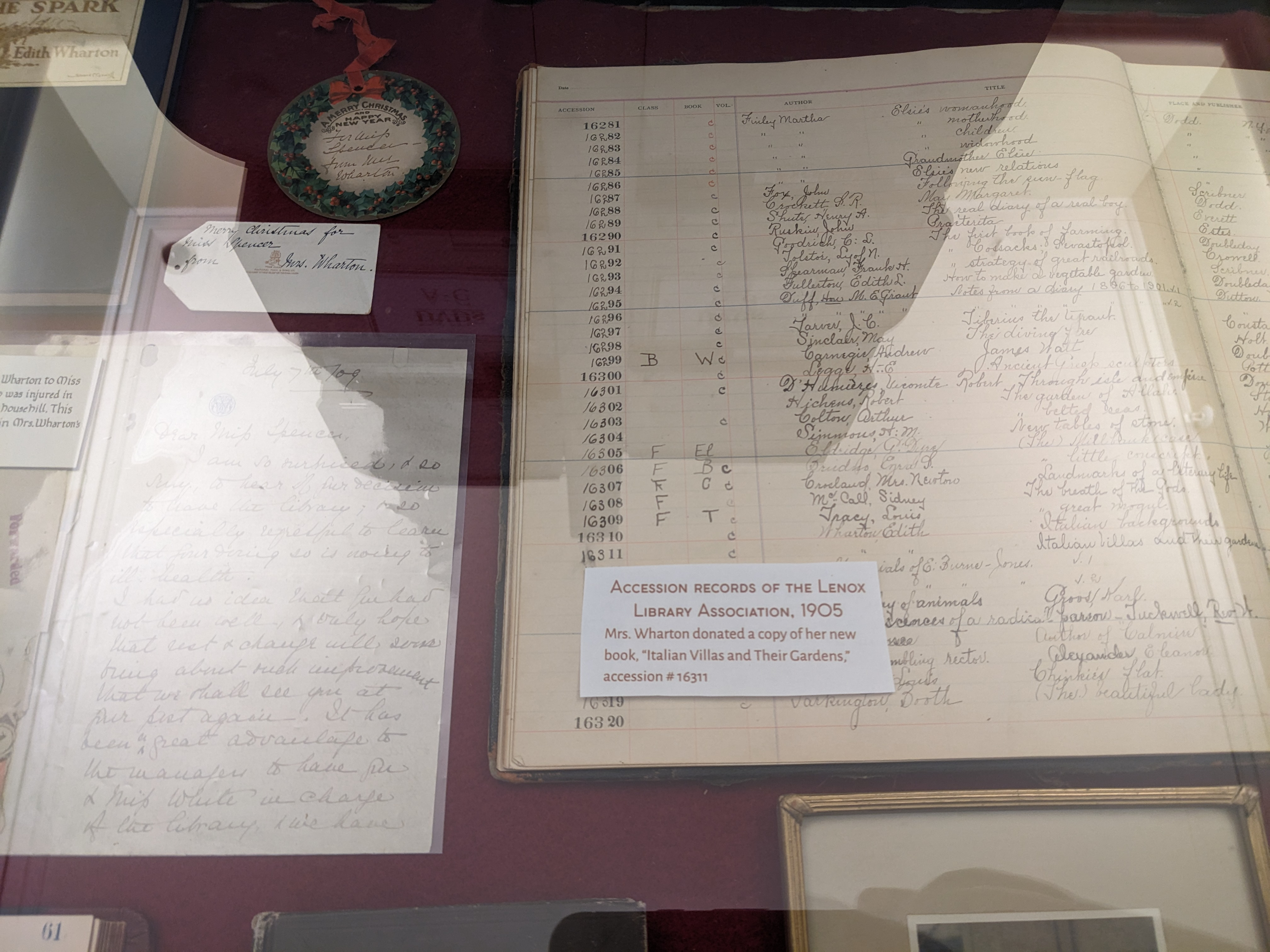
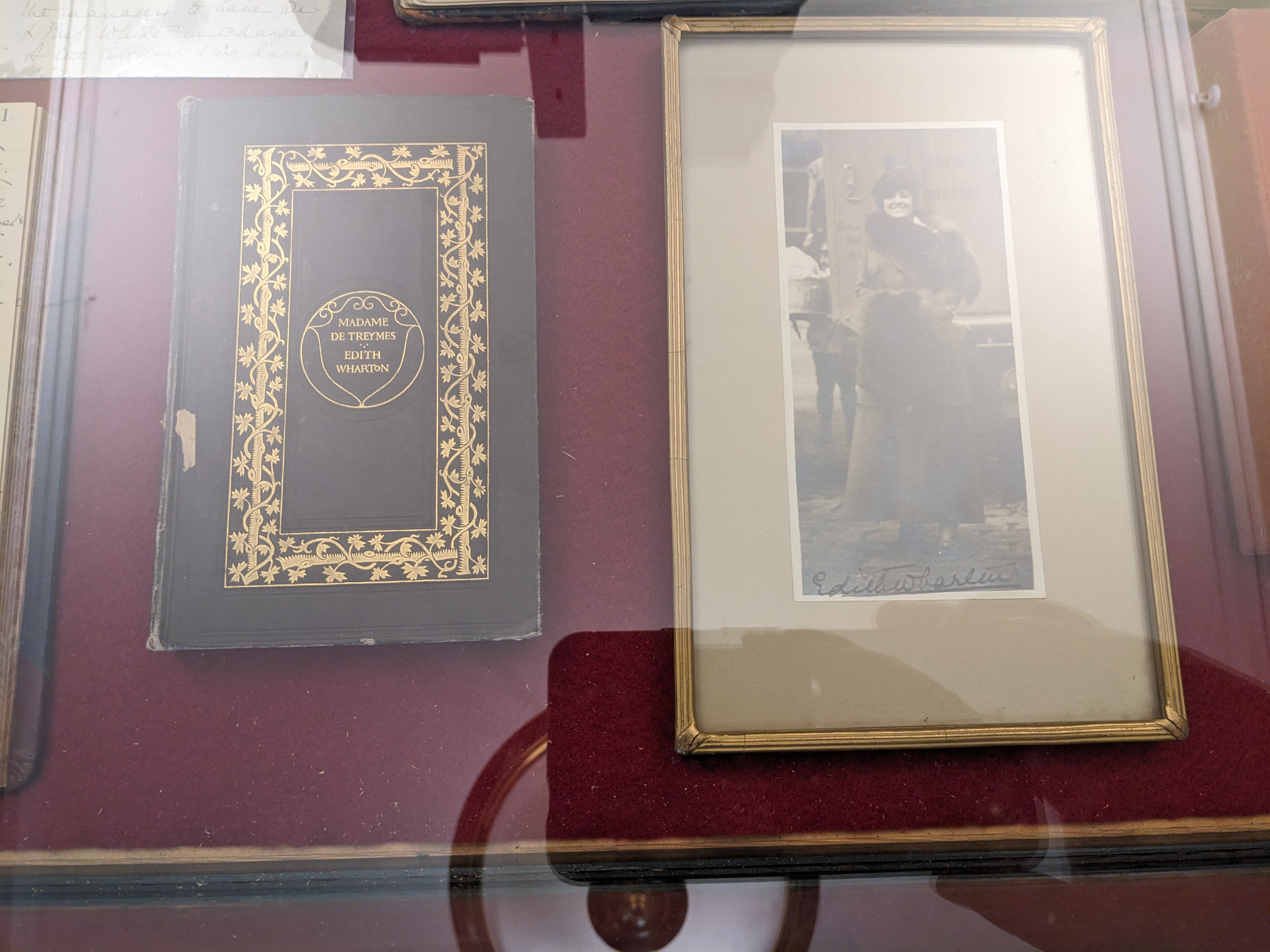
Enshrined within a glass display class, in one of the reading rooms, one finally encounters the fascinating memorabilia related to Wharton and her relationship with the Lenox Library. One open tome reveals the Minutes of the Board of Managers for the Lenox Library Association, dated July 13, 1906; it is within this record that Edith Wharton (associate manager), and Mr. Grenville Winthrop, appoint a committee to have a new sign board made. Also on display are the Accession Records of the Lenox Library Association, 1905. Adjoining these records are also first-edition copies, gifted to the library, of Wharton’s The House of Mirth (1905), Madame de Treymes (1907), and The Buccaneers (1938).
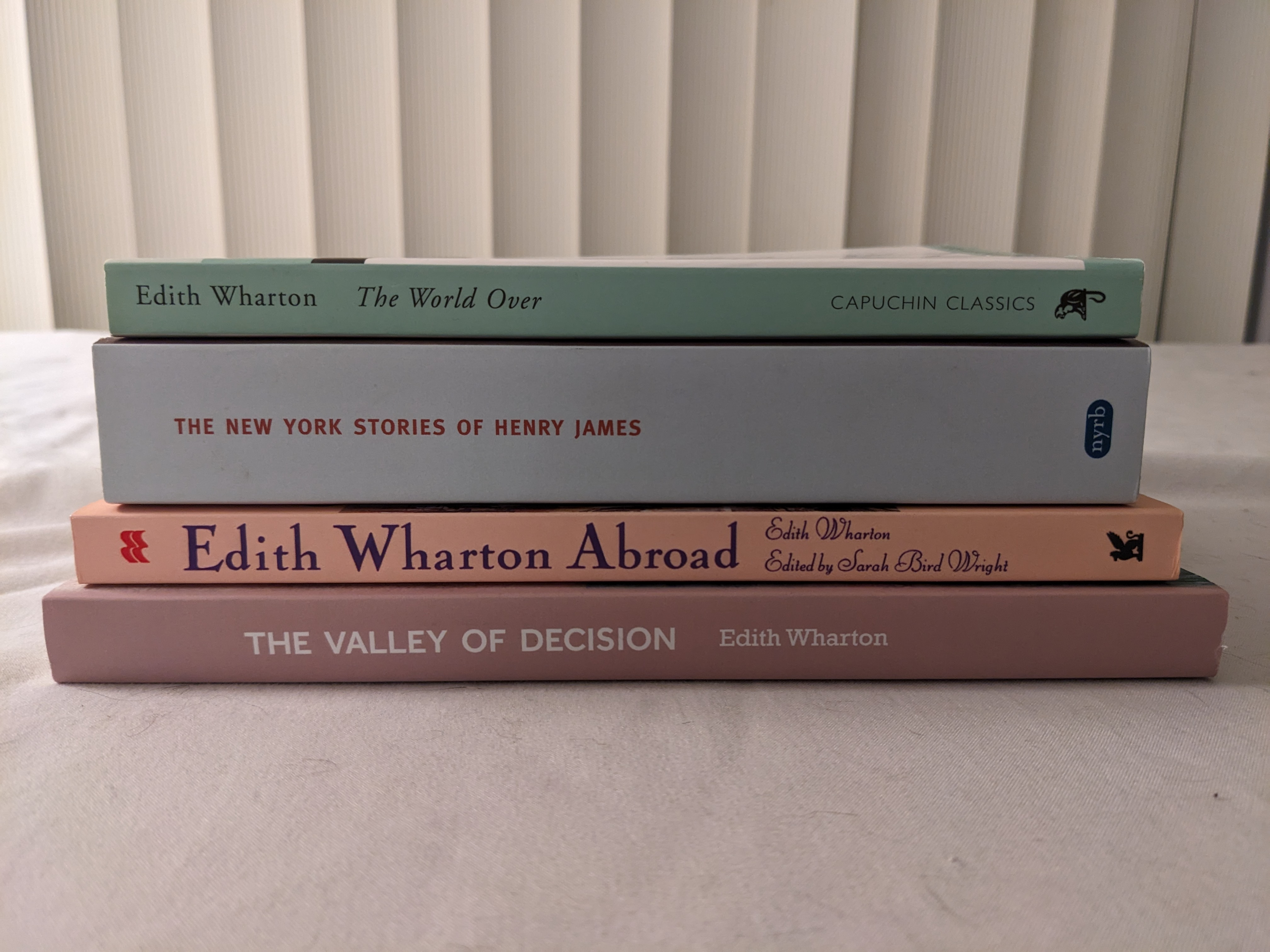
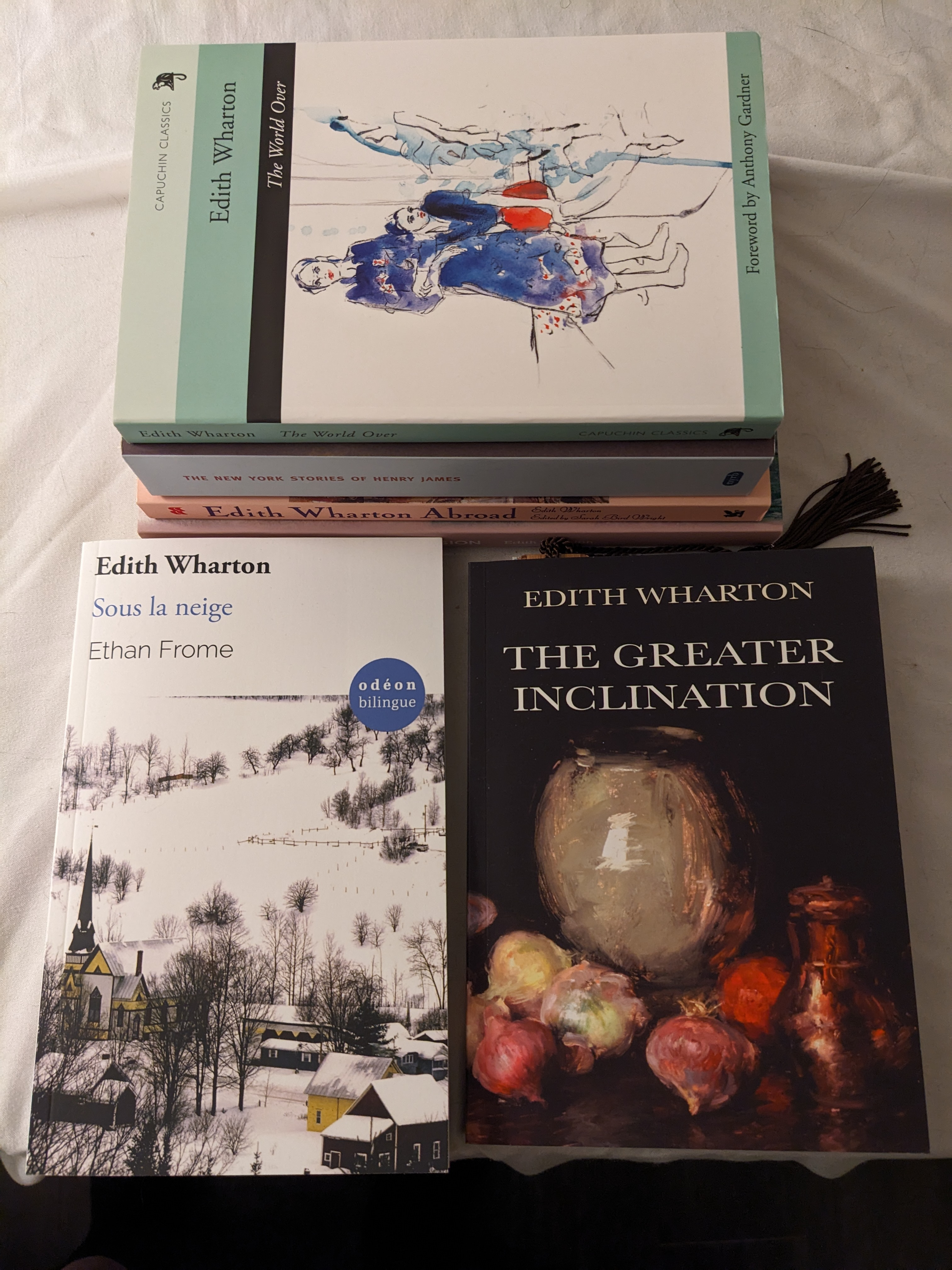
As this post comes to a close, I can’t help but share the wonderful editions of Wharton’s (and James’) works I was able to purchase at The Mount’s marvelous gift and bookshop. The titles are displayed accordingly. As a personal note, my purchase of Wharton’s The Valley of Decision officially completed my collection of Wharton’s novels, all of which I now own one copy or edition!! Please make it a point to visit this fabulous shop on your next visit to The Mount!!
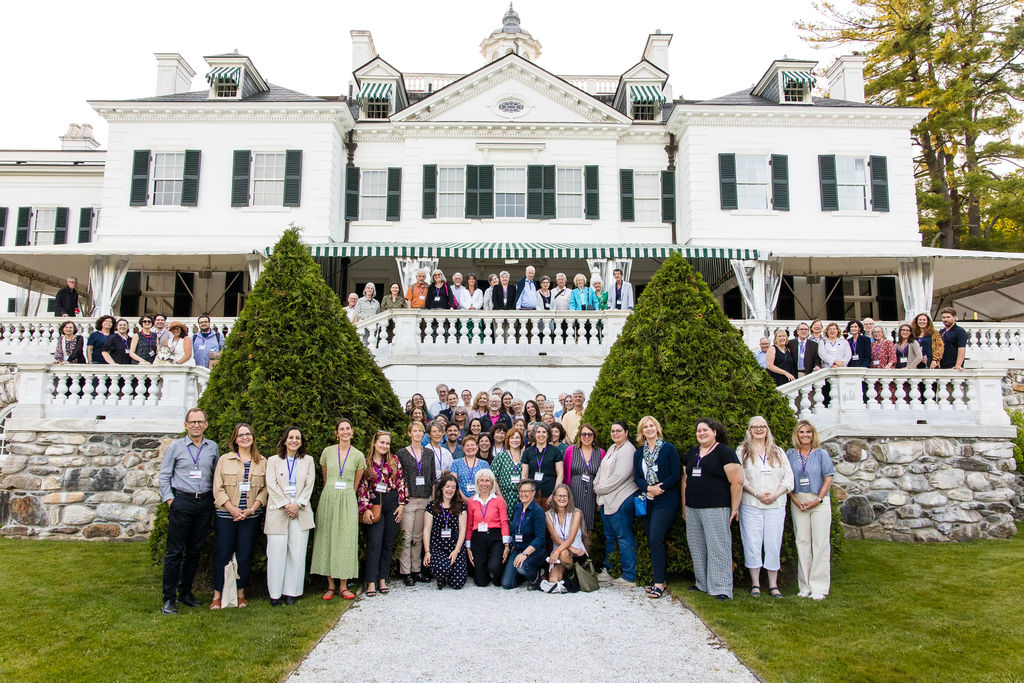
In final closing, please enjoy this group photo of the 2026 Edith Wharton Summit, professionally and artfully taken on Day 1; Photo: Eric Limon, courtesy of The Mount, Edith Wharton Cultural Center (Lenox, MA)
Thanks to everyone who has stopped by my blog for a look around, and a special thank you to Dr. Donna Campbell for sharing links to my posts on the Edith Wharton Society website. Please, by all means, consider subscribing to my blog, or commenting, and ask me anything further you’d like to know about this wonderful event. You can also email me at: jtamburello194@gmail.com. As always, please ask permission or give credit before reproducing any photos, and again, thank you for visiting!!
2026 Edith Wharton Summit: Day 1

So, to deviate from scholarly speculations to real-world documentation, I present the following post (in three parts, over three weeks) dedicated to my visit to Edith Wharton’s estate in the Berkshires, called The Mount, late in the first week of June of this year – here we go!!

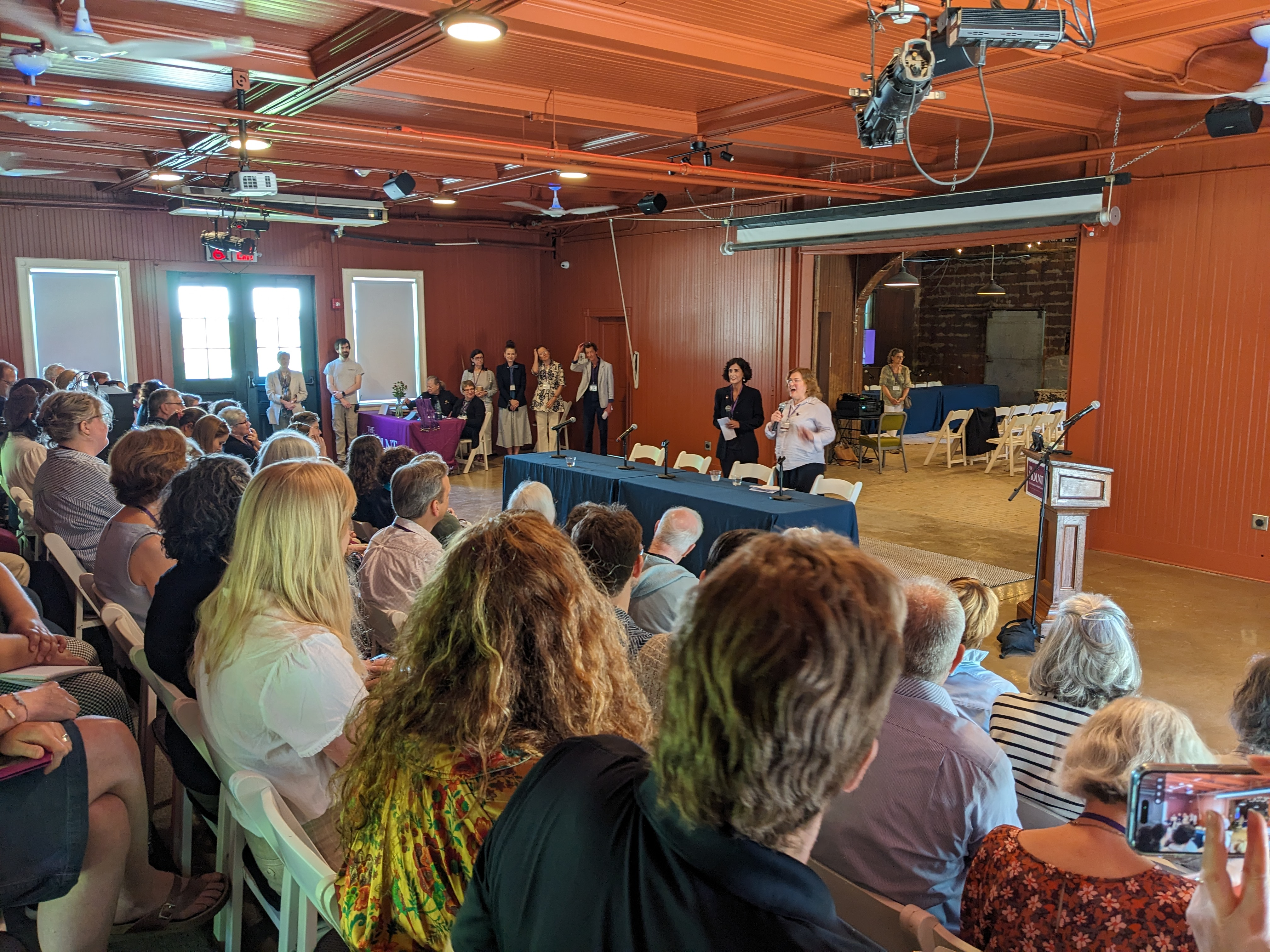
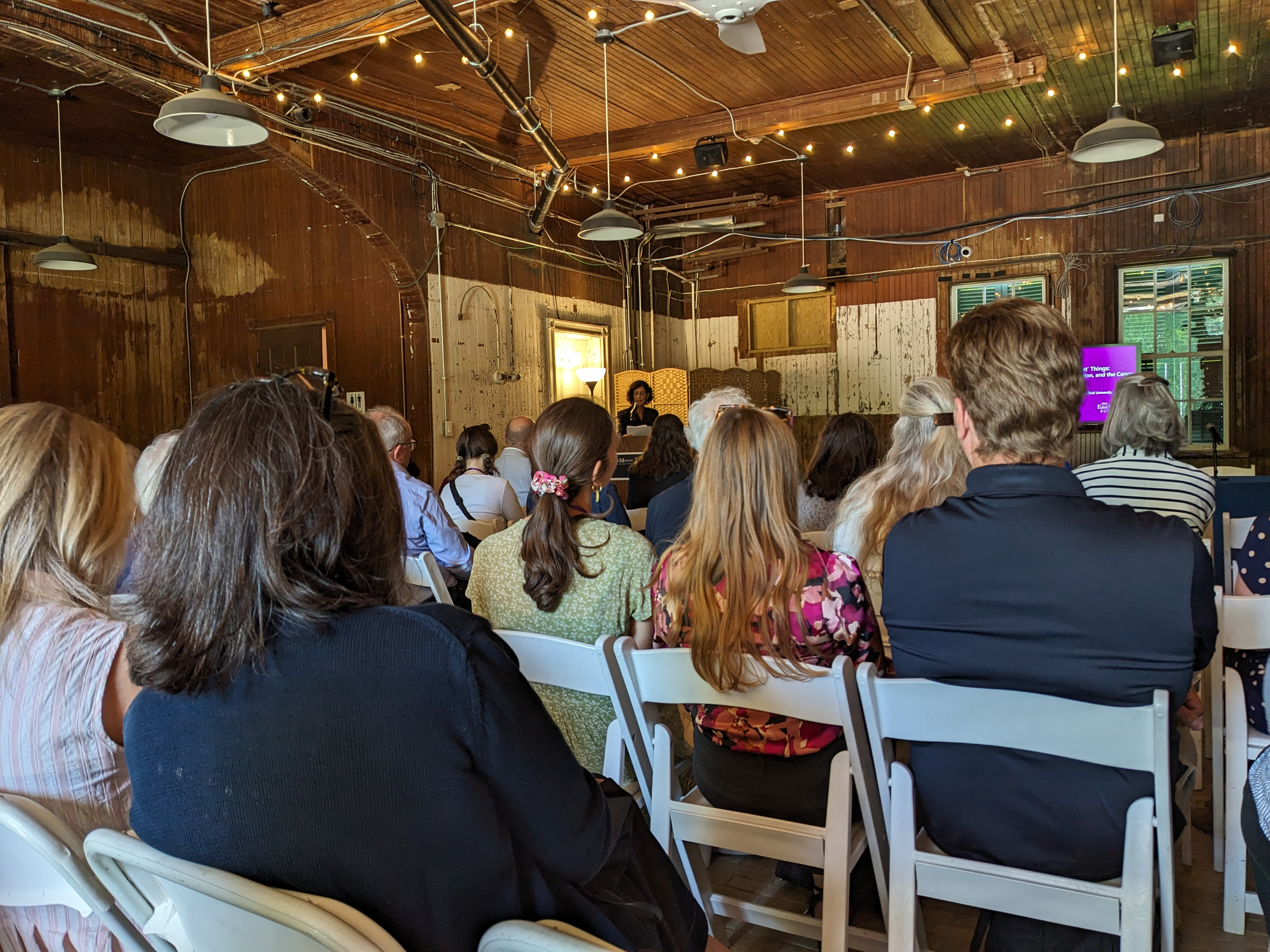
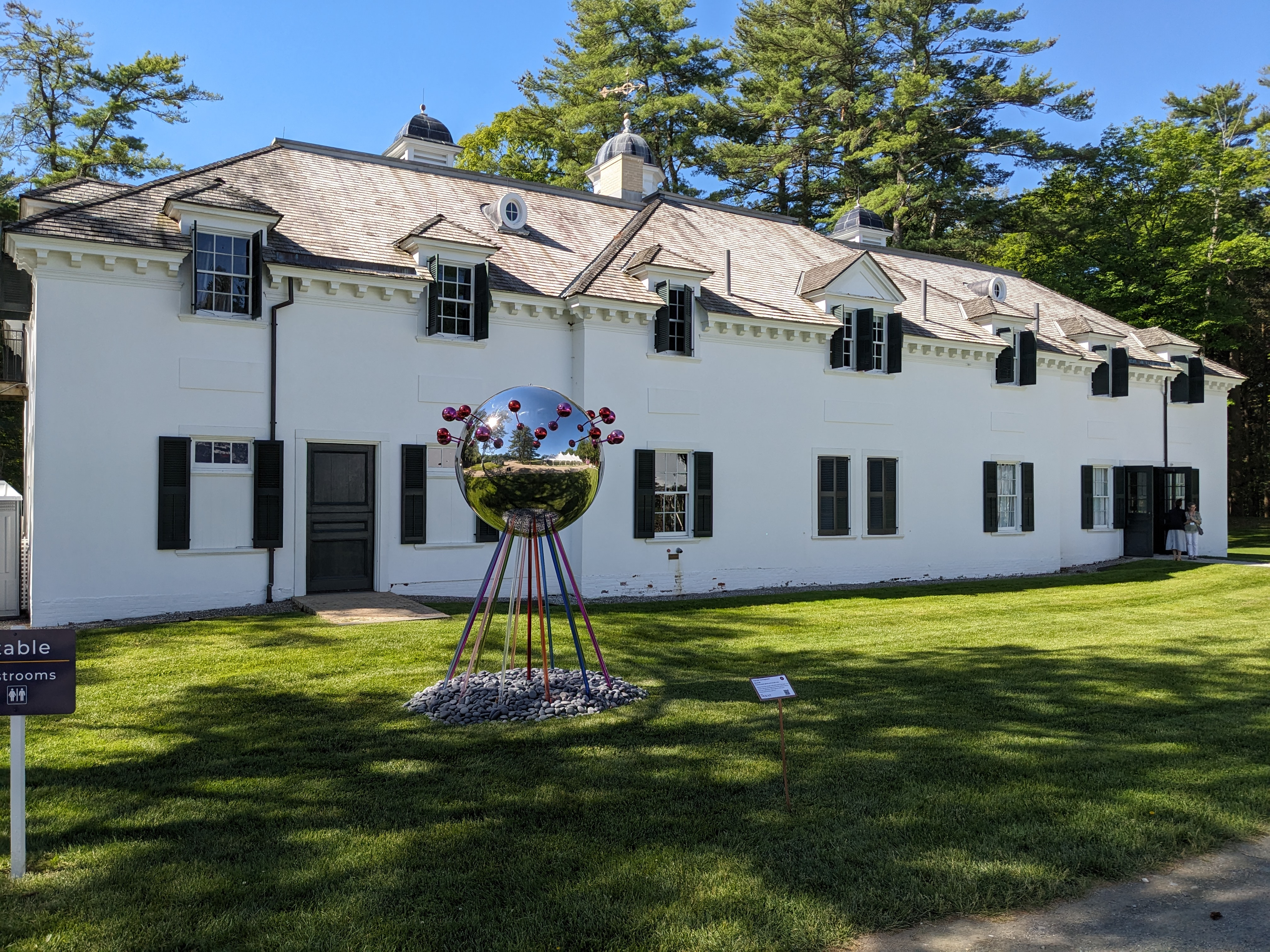
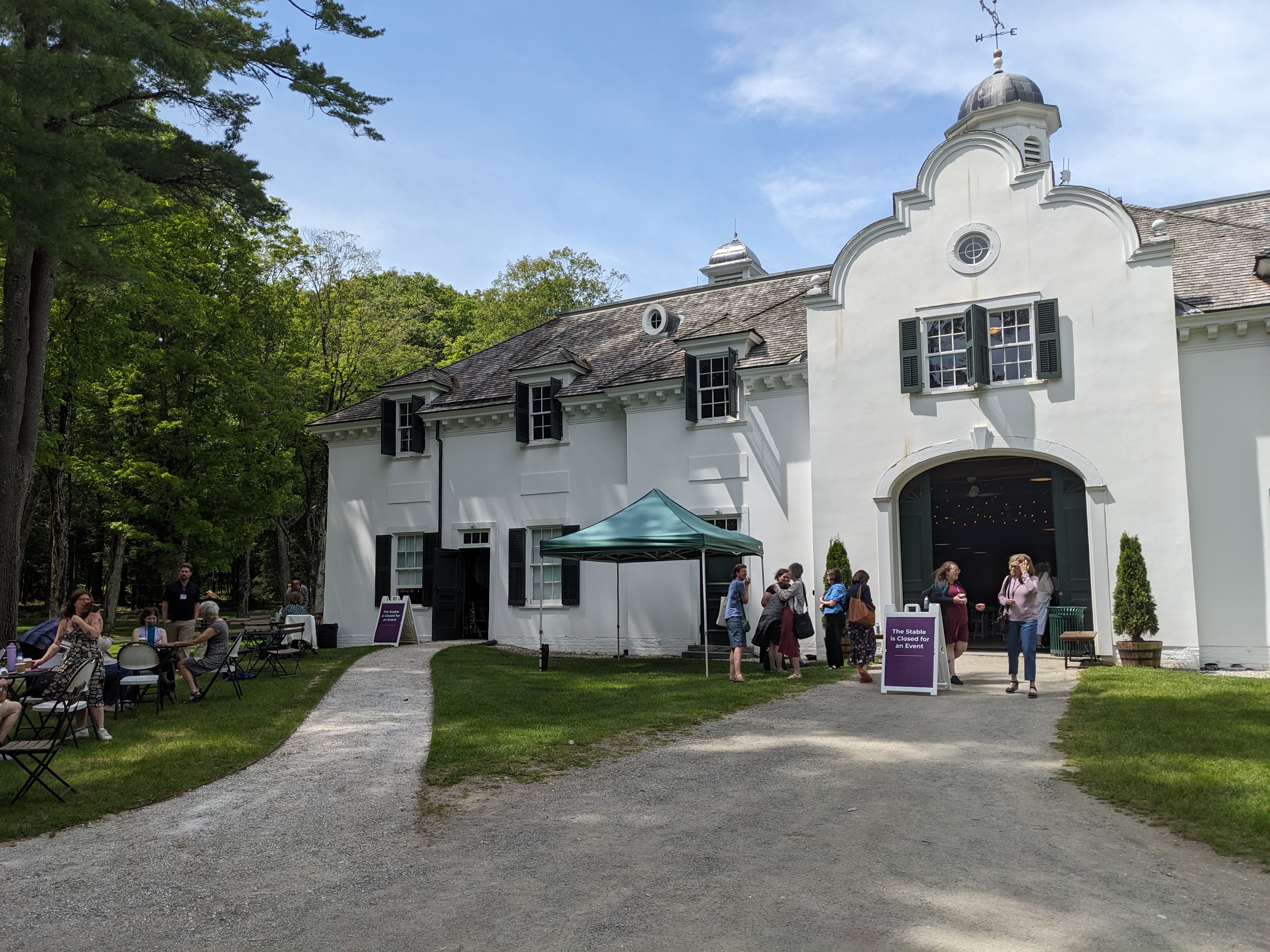
To begin, the many panels and roundtables were hosted in the beautifully restored stable house: some were held in the stable auditorium, while the others were held, simultaneously, in the “carriage wash,” where Edith Wharton’s horses and carriages were routinely cleaned. This imposing building served as home base for the majority of the event’s programming, as well as for breaks for lunch and refreshments. Some titles of the panels I myself personally attended include: “Architecture and Archaeology;” “Natural and Built Environments;” “Mapping Time and Space;” “The Novels: New Approaches;” and “Adaptations.” These scholarly, masterful panels reflected new perspectives on Wharton’s work, most of which are meant to be published in a special double issue of The Edith Wharton Review, in the fall (though, don’t quote me on this one). Each presenter spoke with poise and confidence, graciously taking questions at the end of each panel.

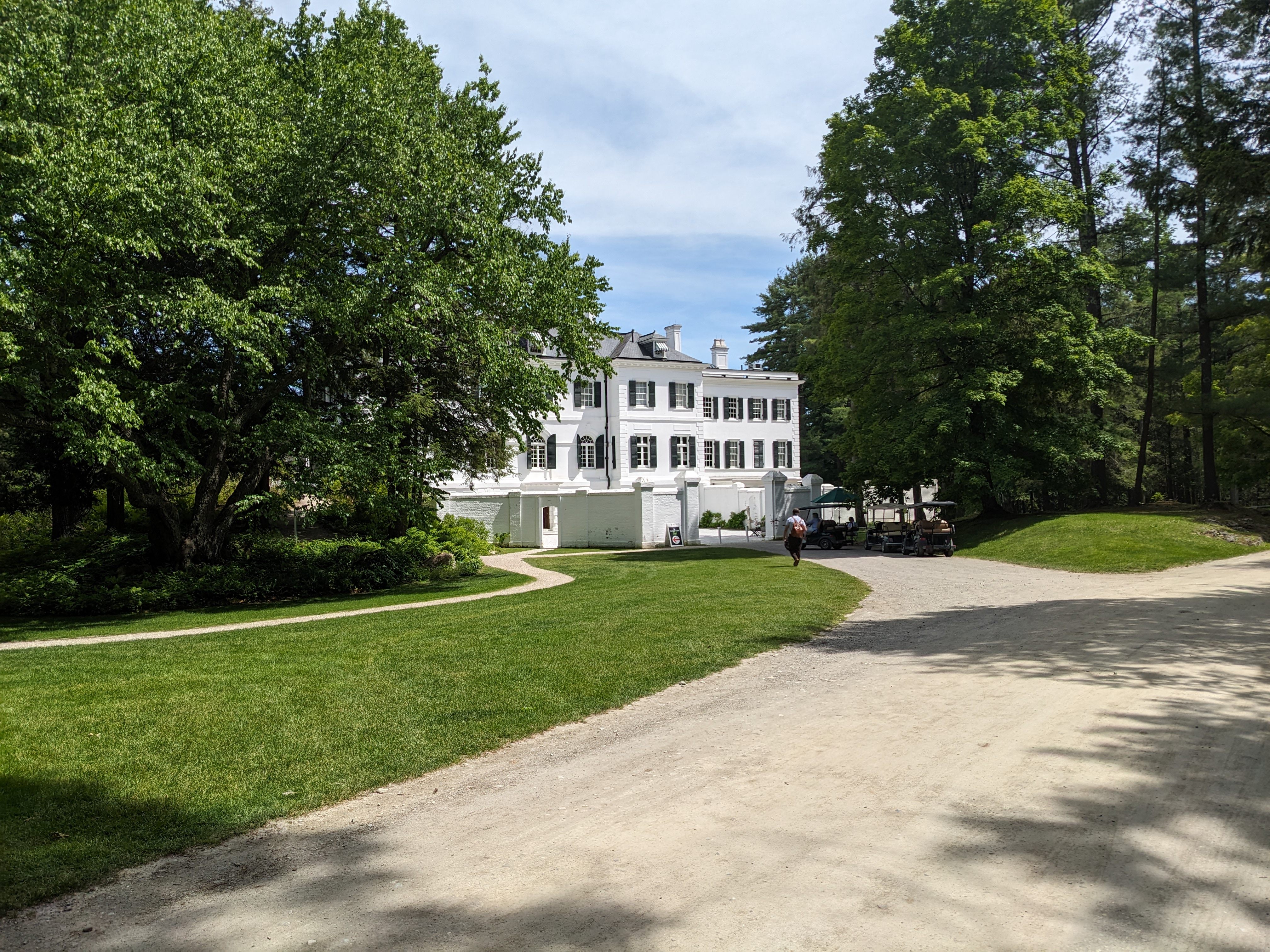
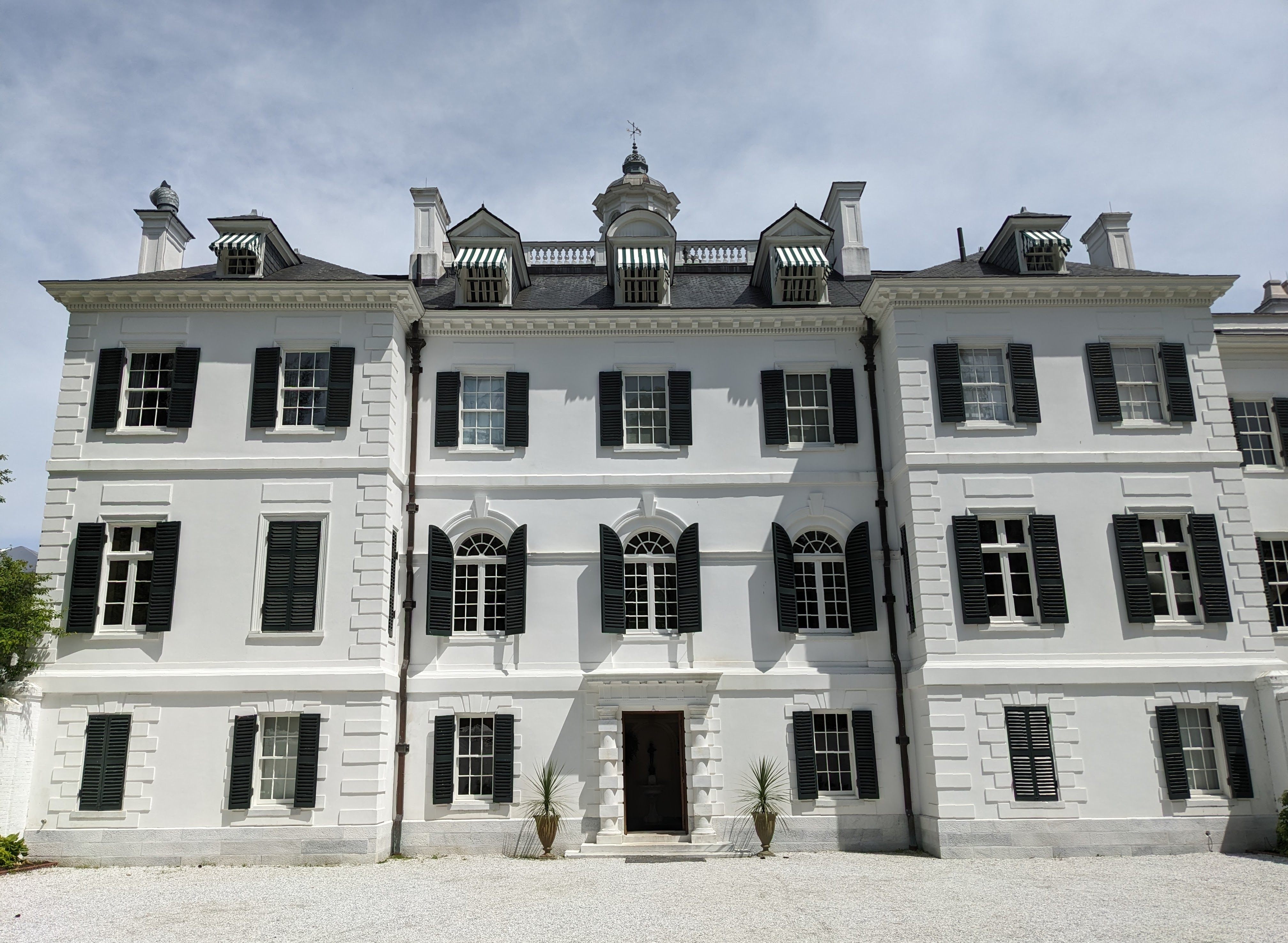
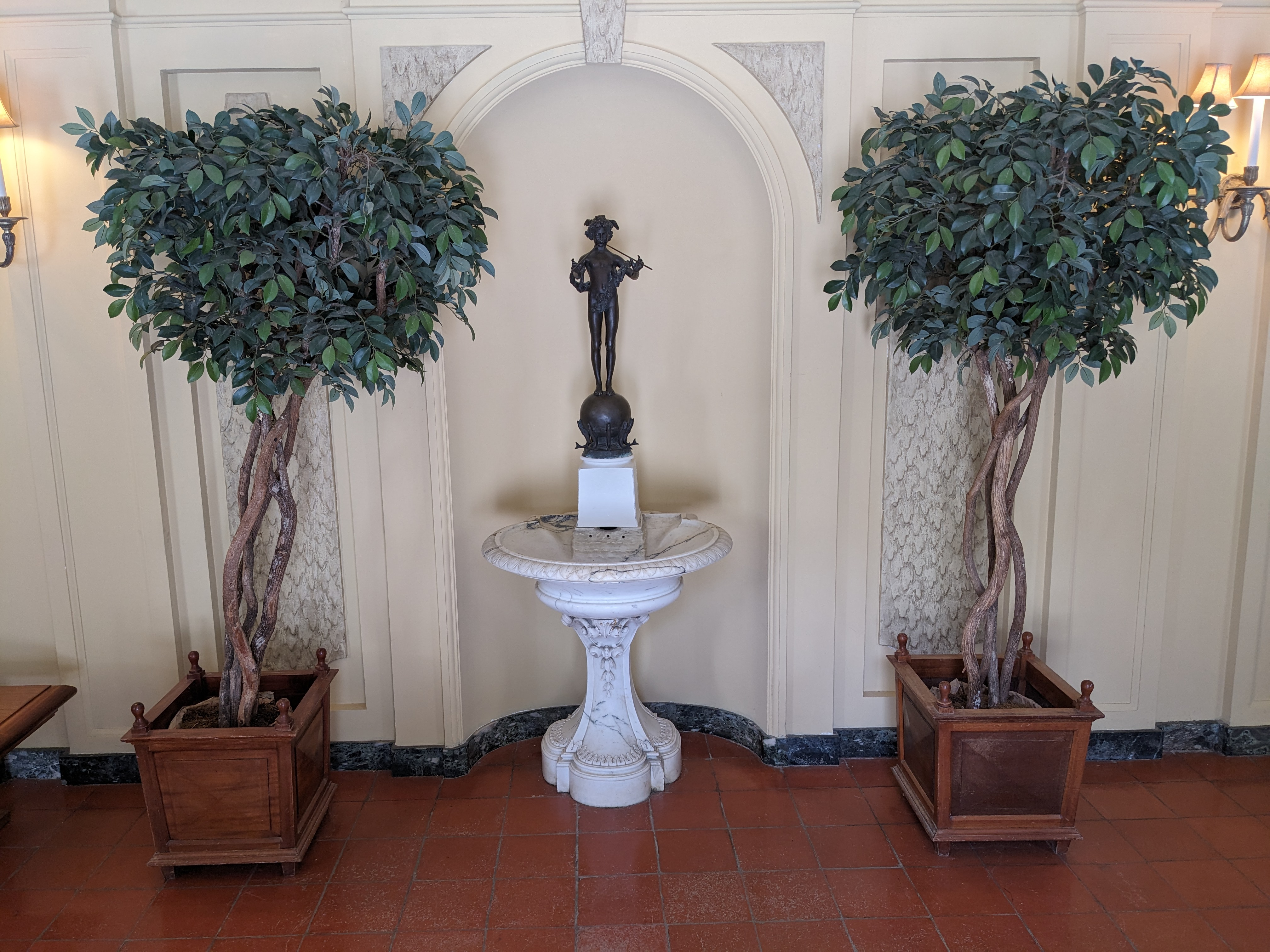
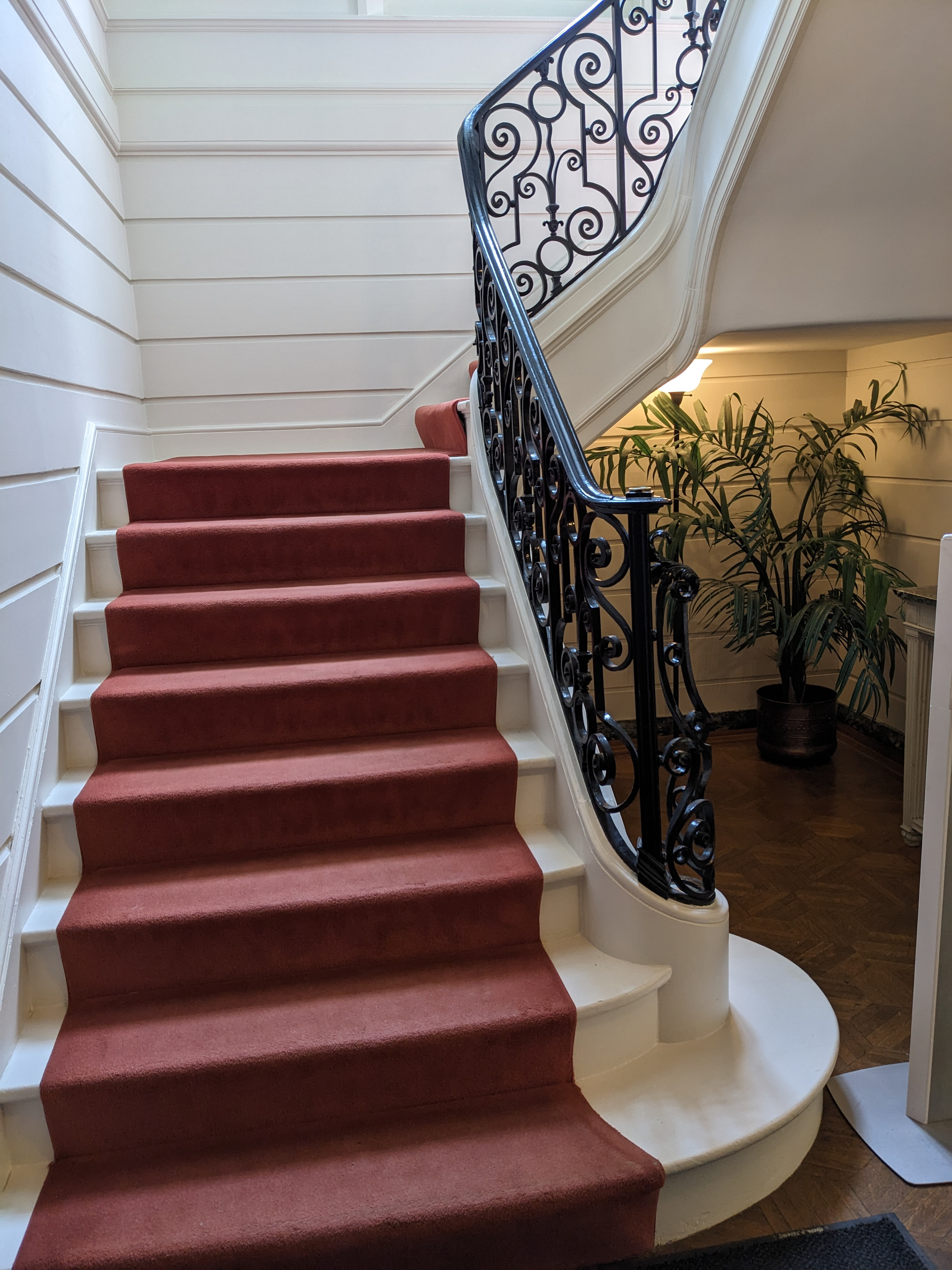
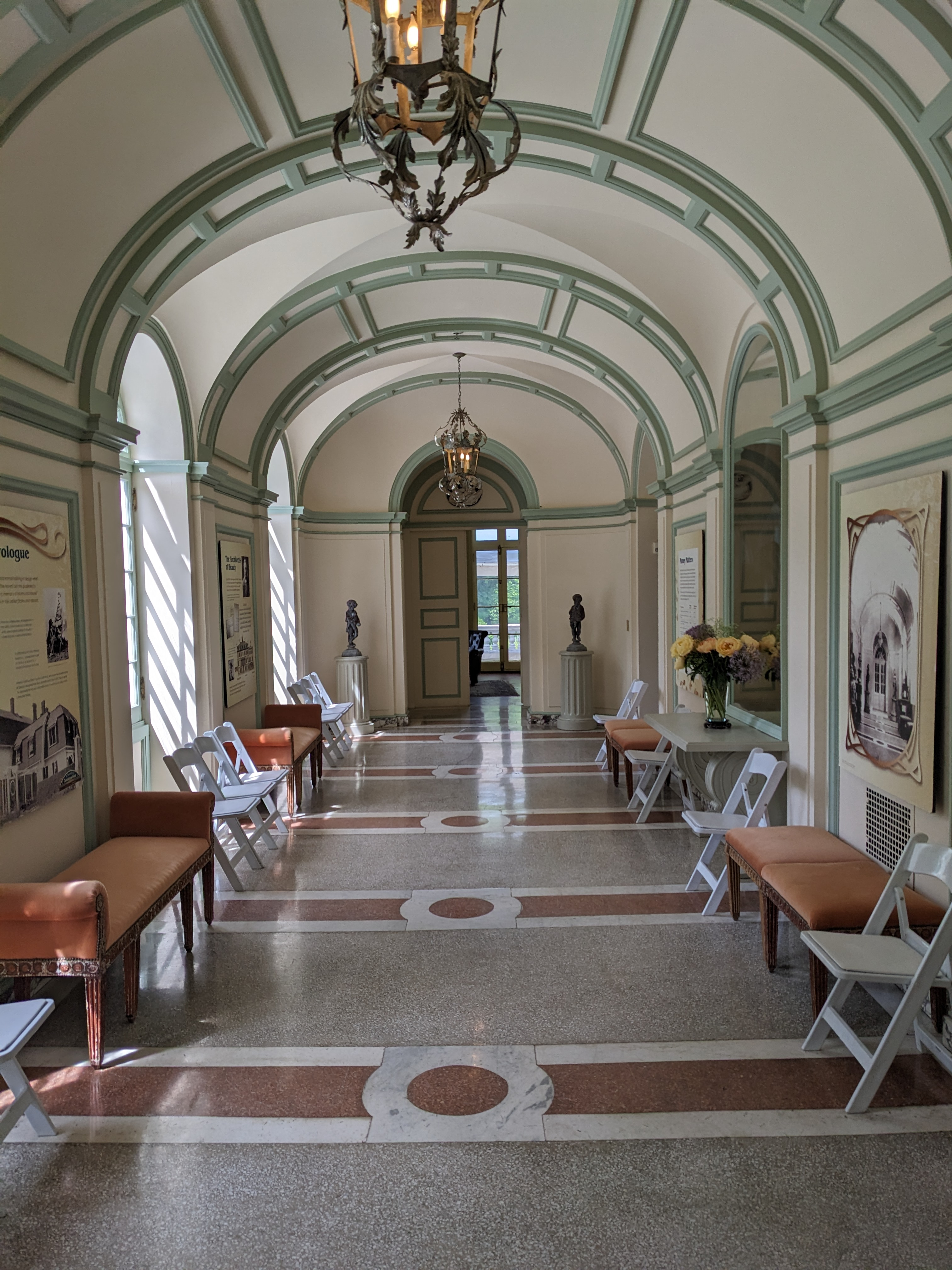
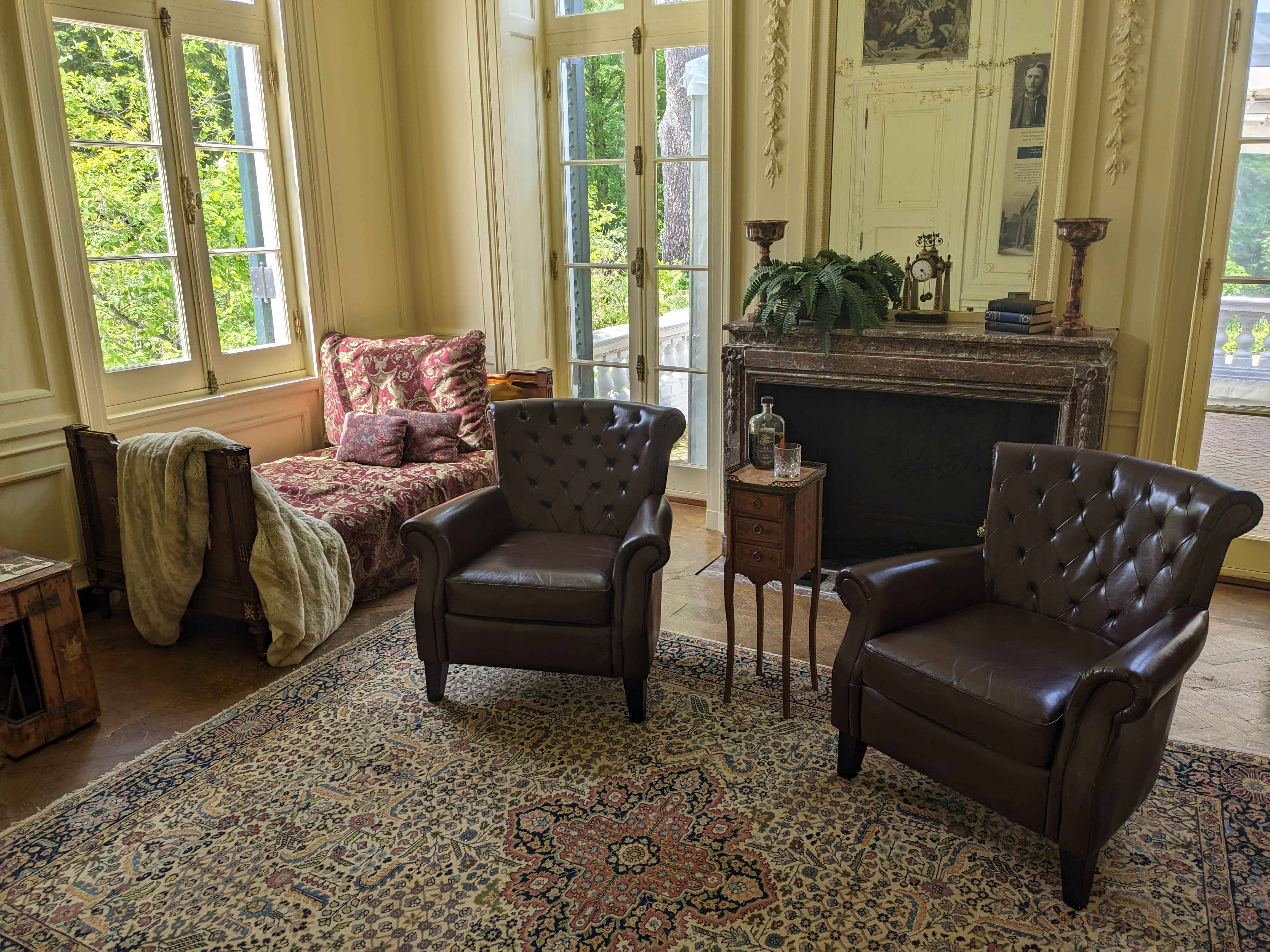
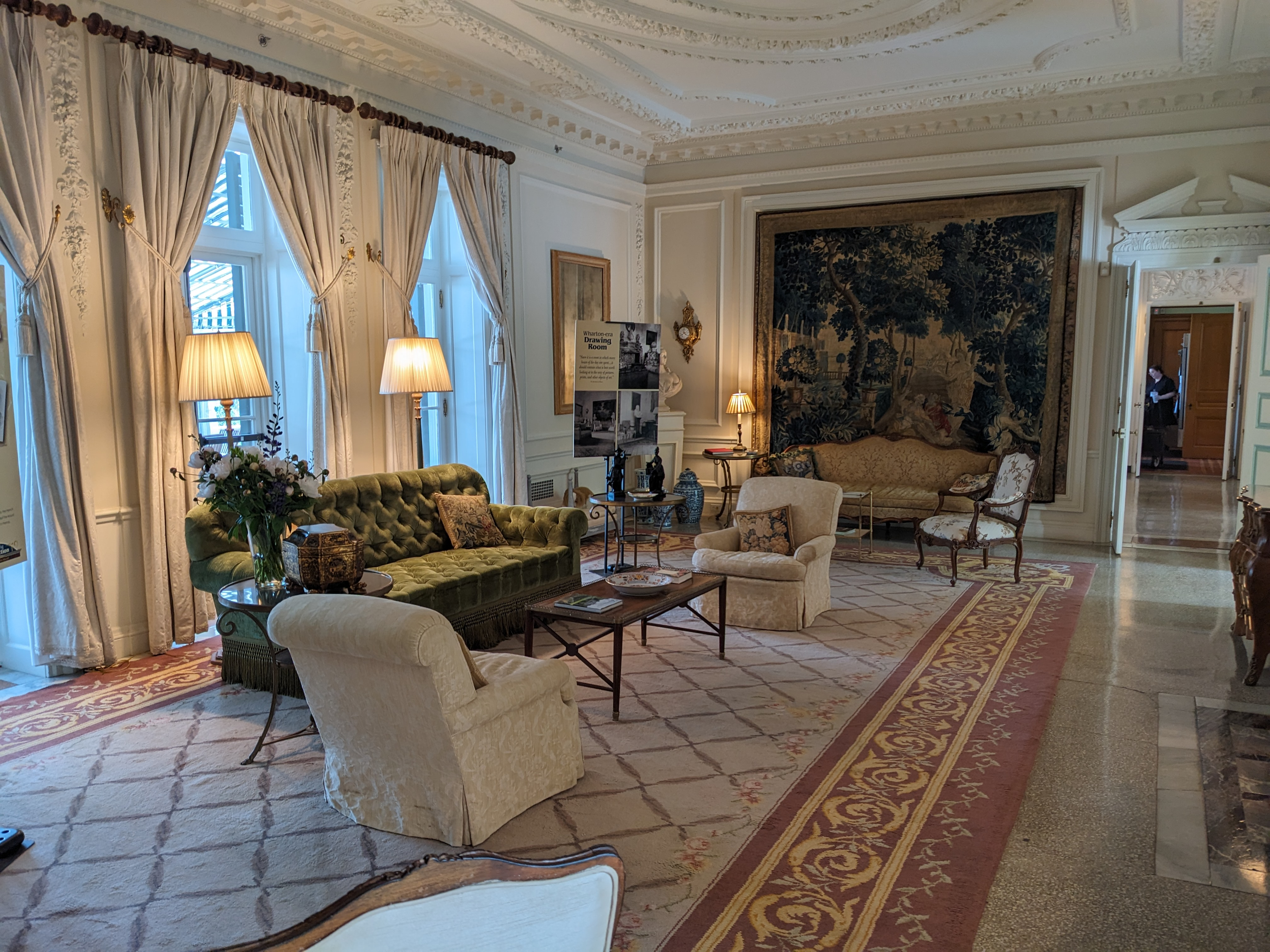
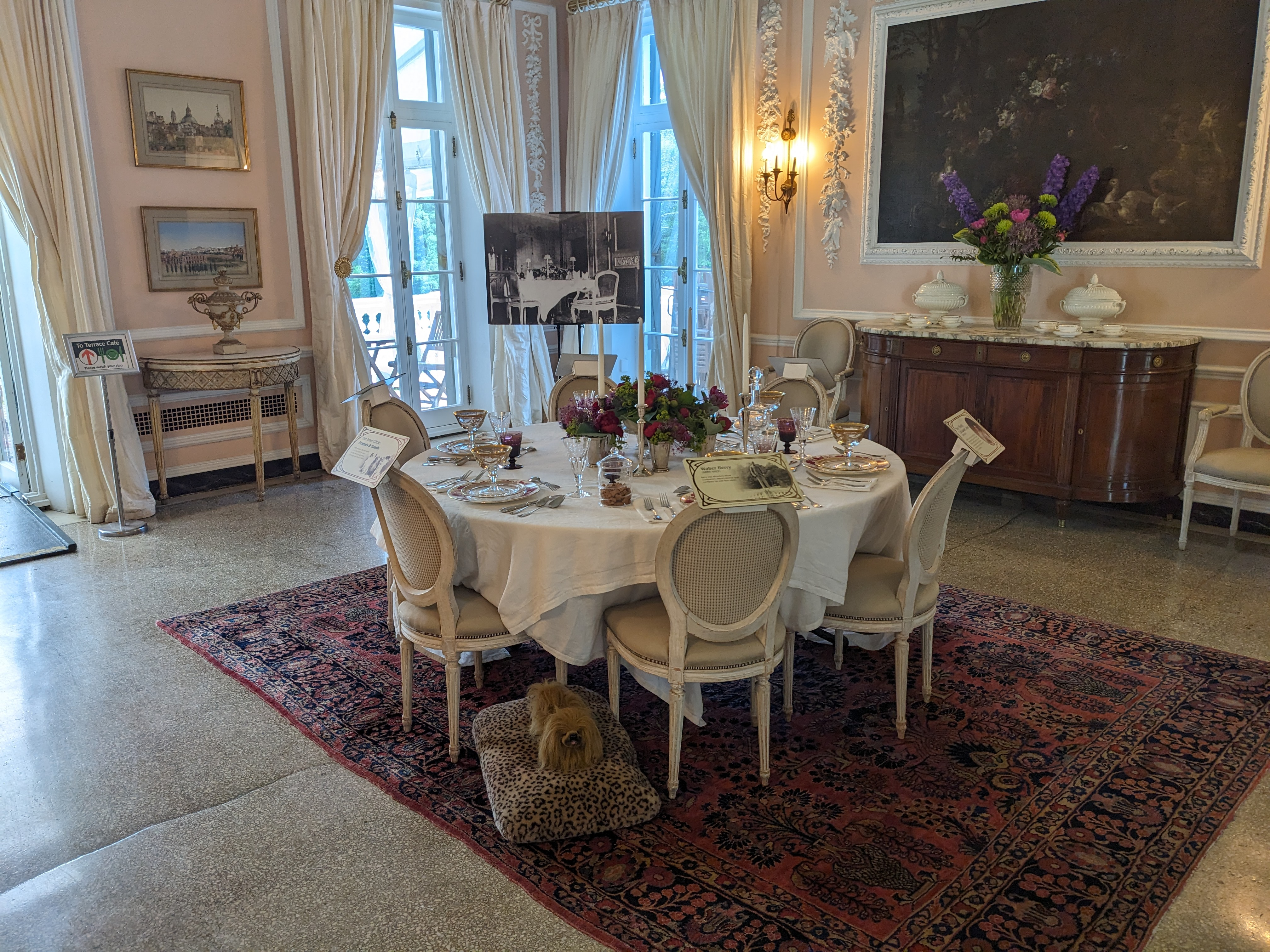
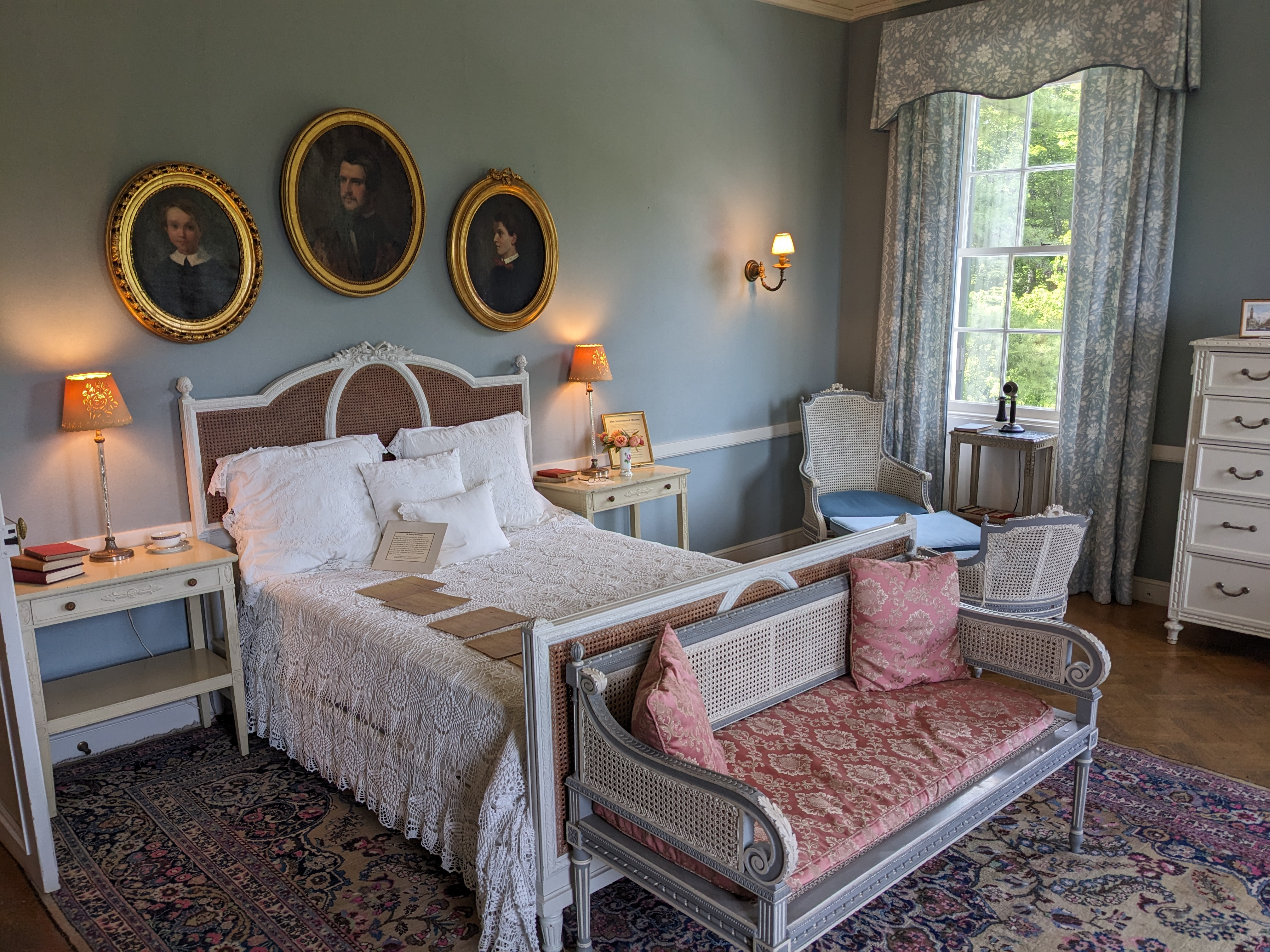
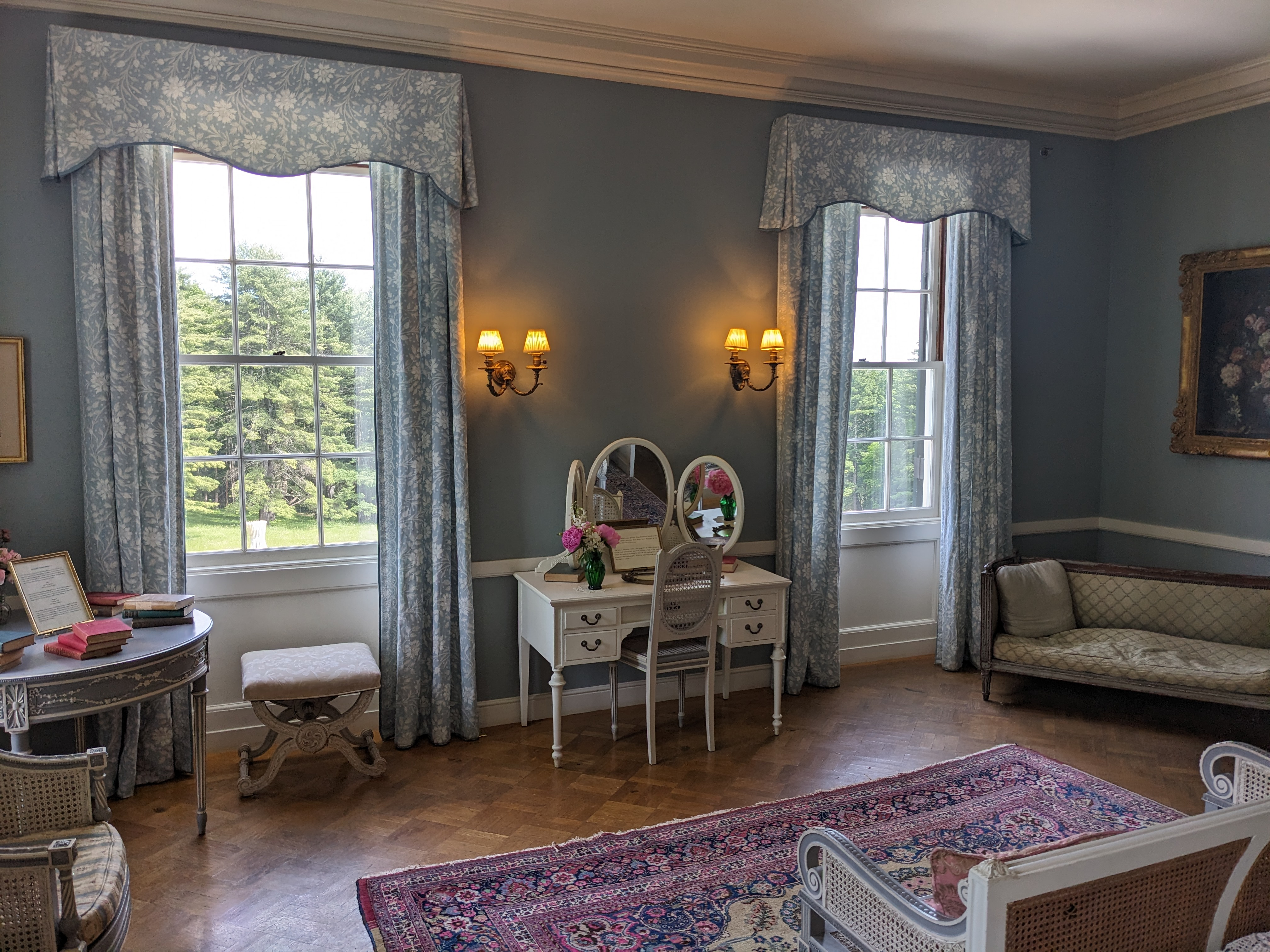
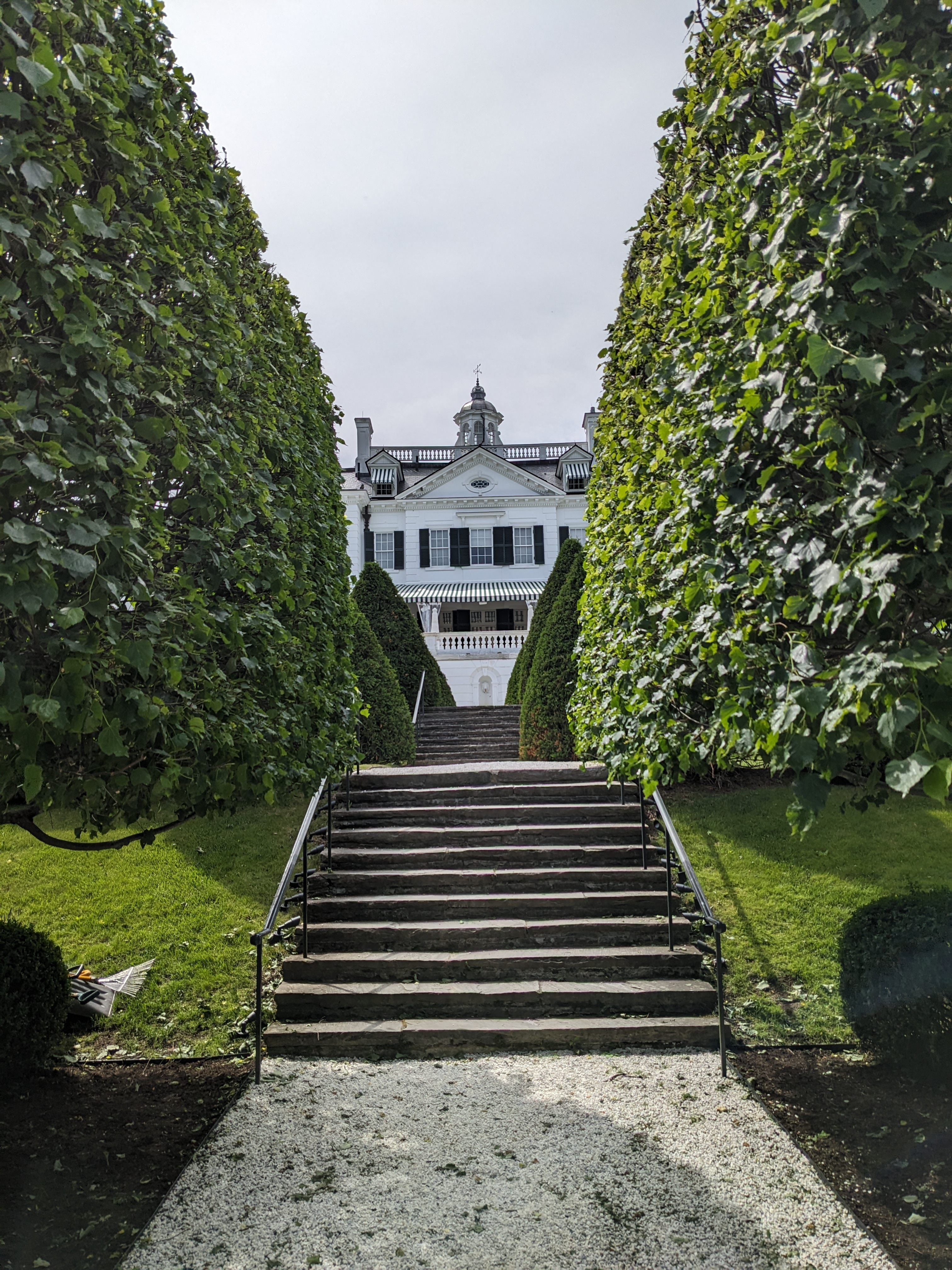
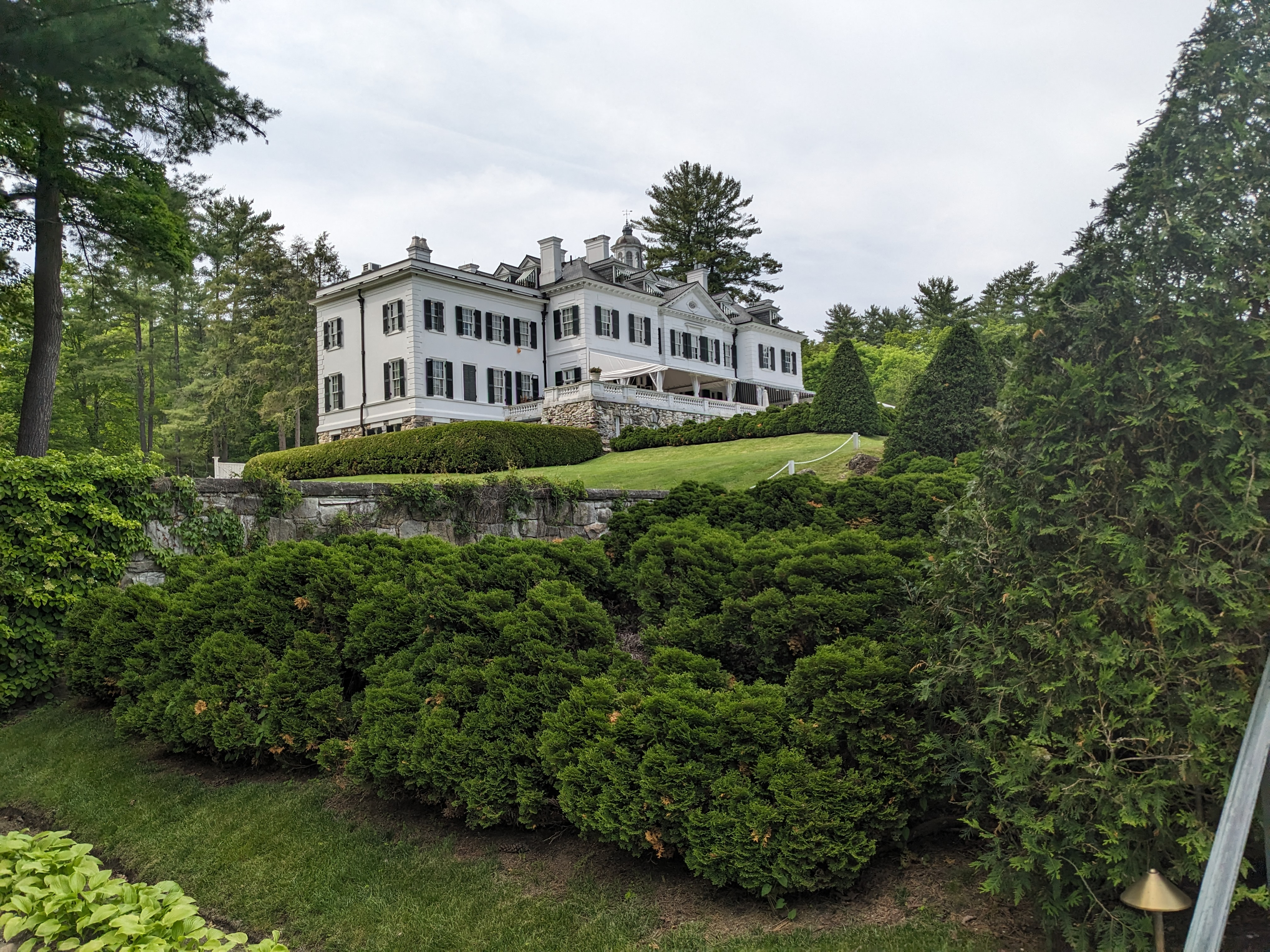
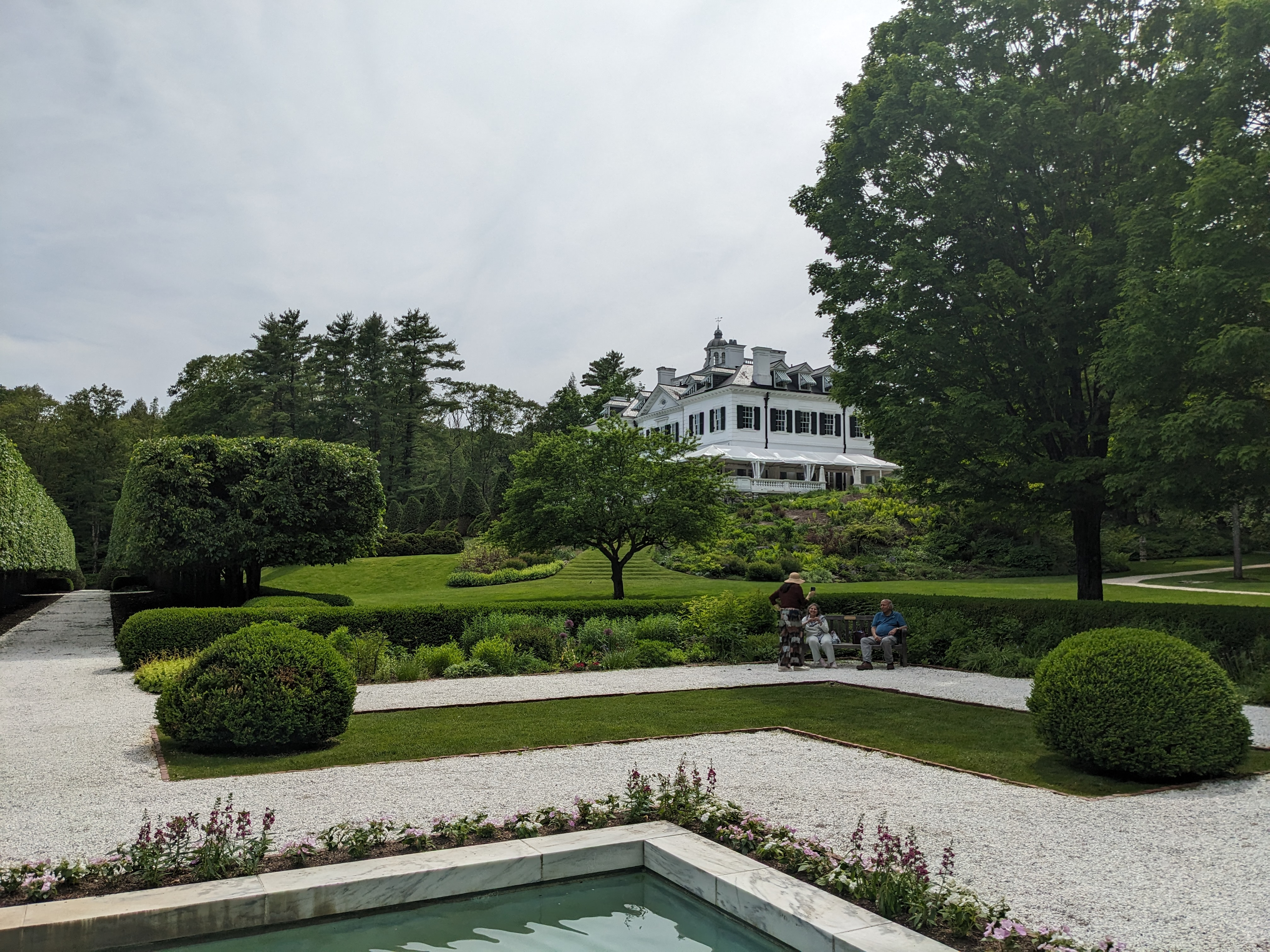
Following the first two panels/roundtables of the day, I decided to go for a reflective stroll through the grounds. It had been seventeen years since my first, and last, visit to The Mount; but how I remembered the joy of seeing Wharton’s mansion just around the wooded bend, connecting participants between mansion and stable house. Upon entering, one is greeted with an elegant entrance hall, followed by servants’ hallways, a kitchen, and a tastefully appointed gift and bookshop, full of Wharton- and literary-themed gifts, and many published works from her oeuvre. Taking the main stairs, one is greeted by the long, bright gallery, with mirrors, plush seating, and period statuary. Immediately ahead is Teddy Wharton’s study, follow by Edith’s library (more on that in a bit), the drawing room, and dining room, which spills out onto the open-air terrace. The second level includes Wharton’s bedroom, where she wrote much of her work in bed, including The House of Mirth and Ethan Frome, and other various rooms filled with exhibits about her life and works.

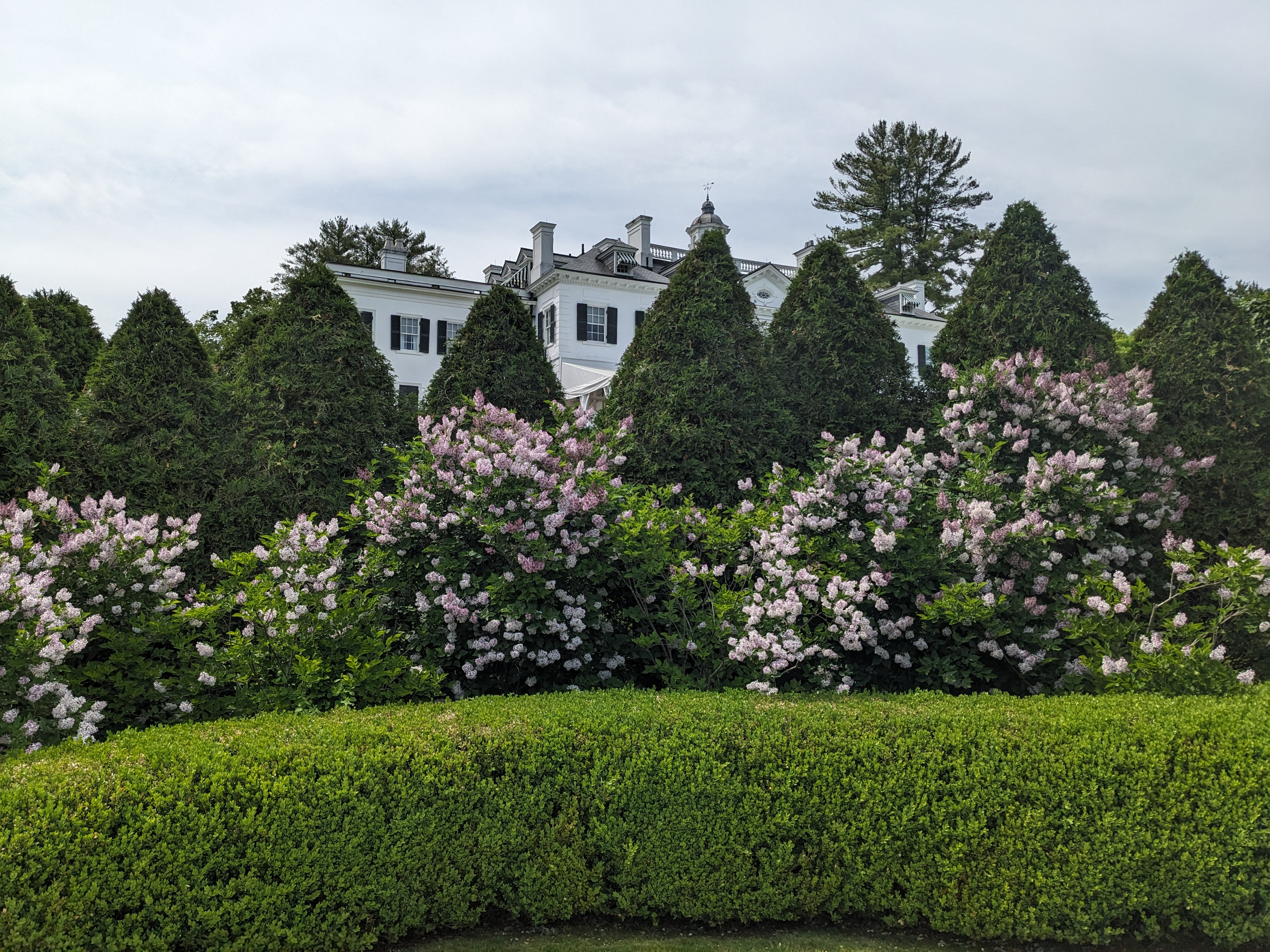
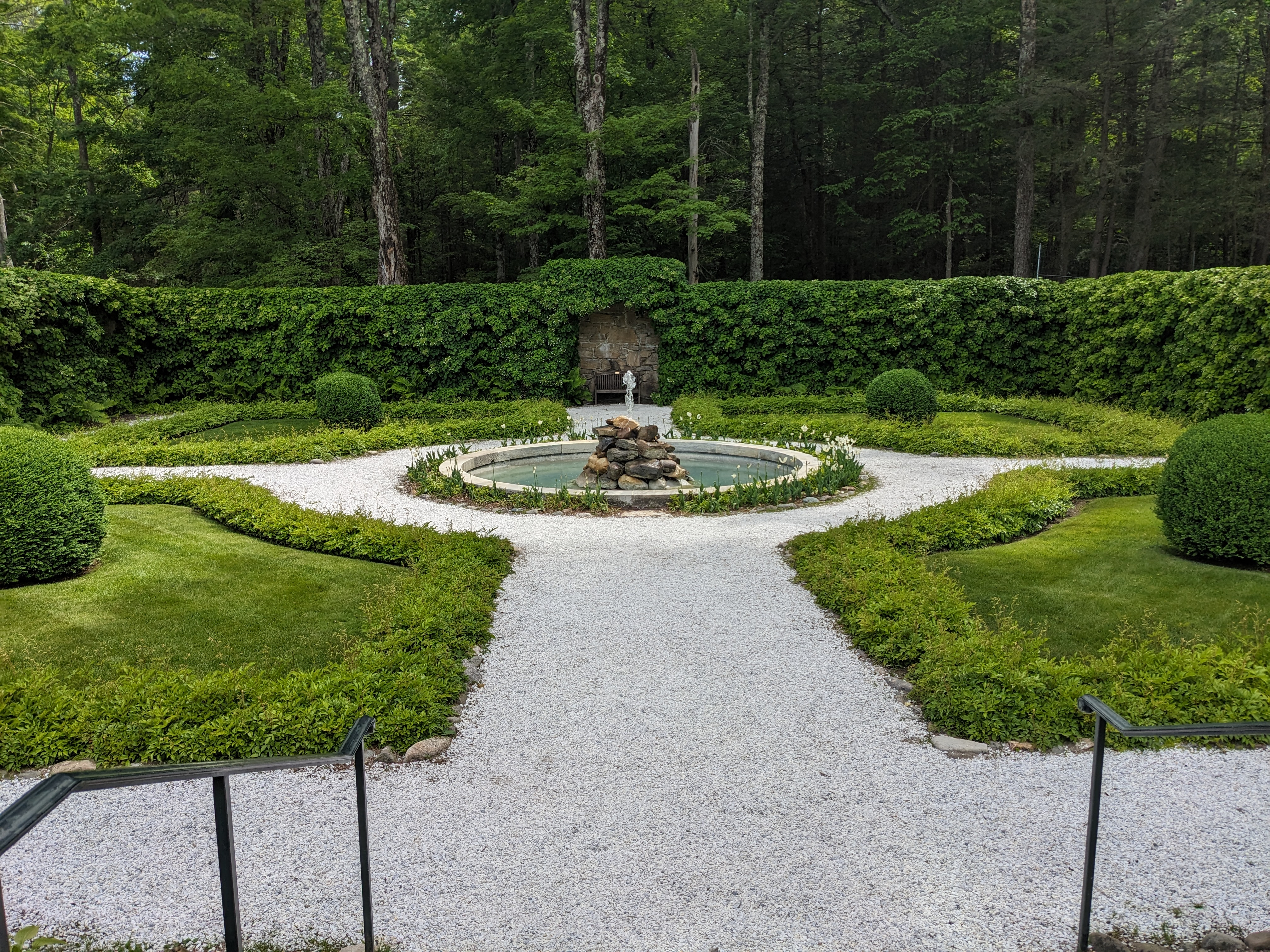
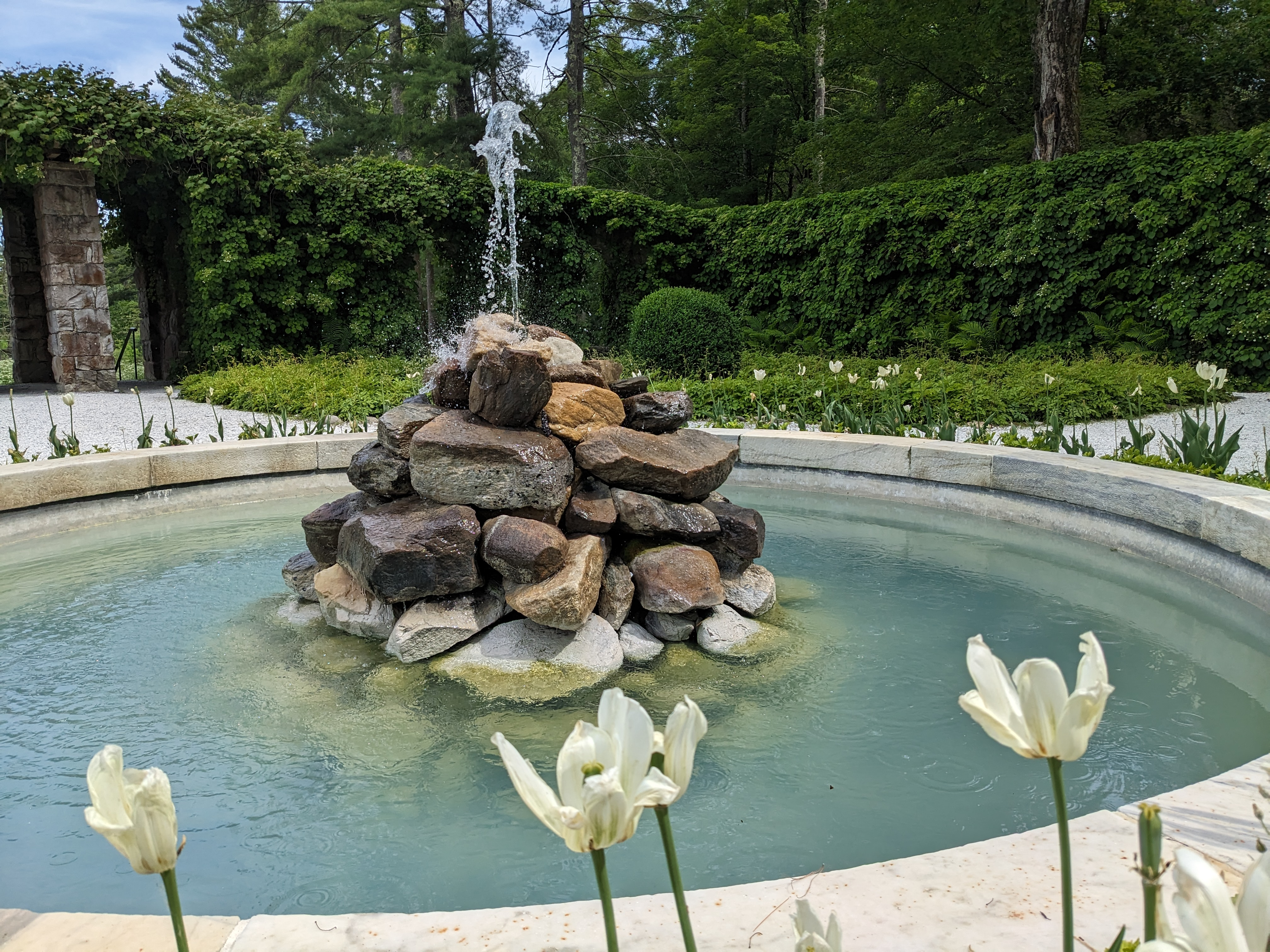
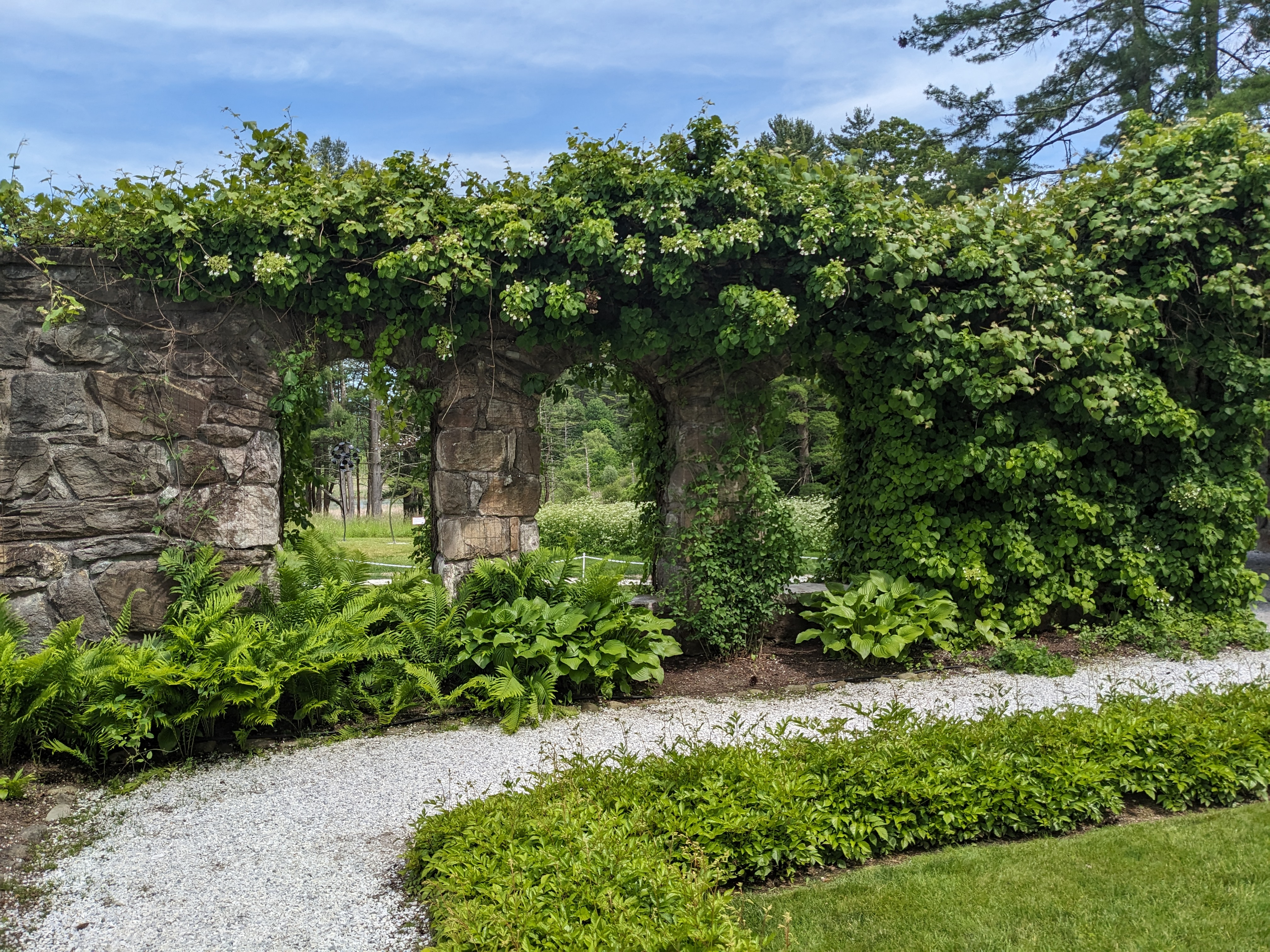
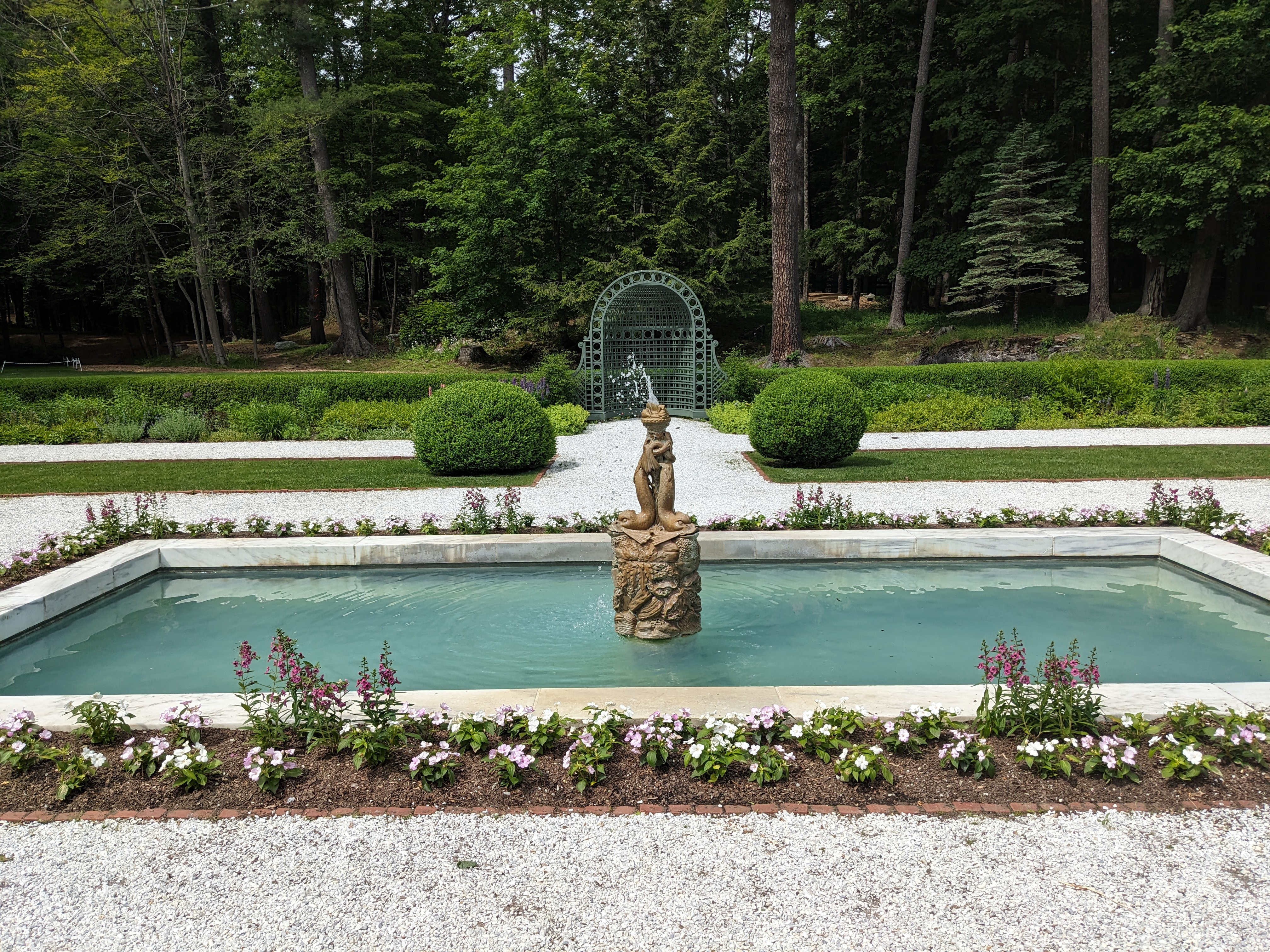
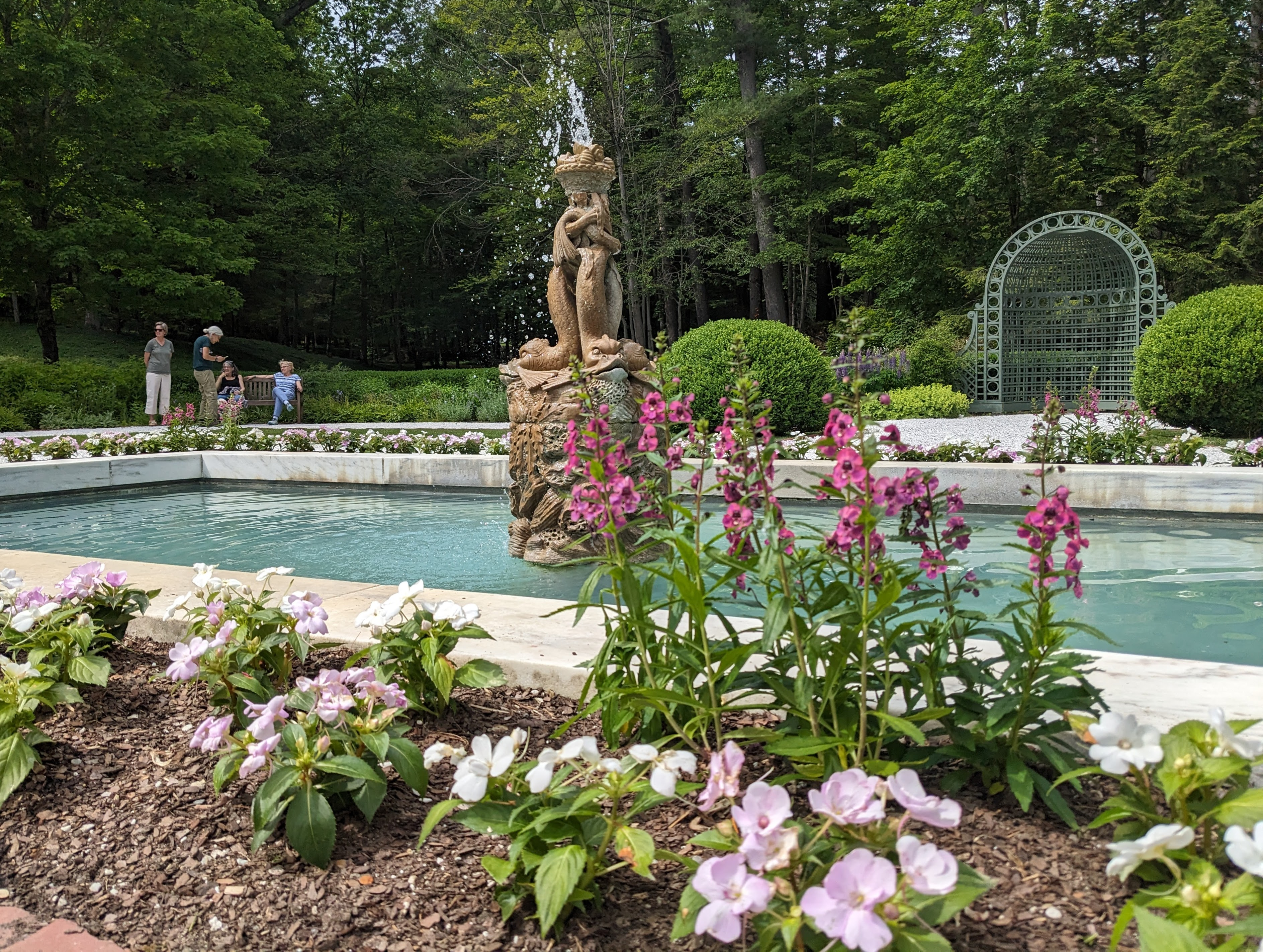
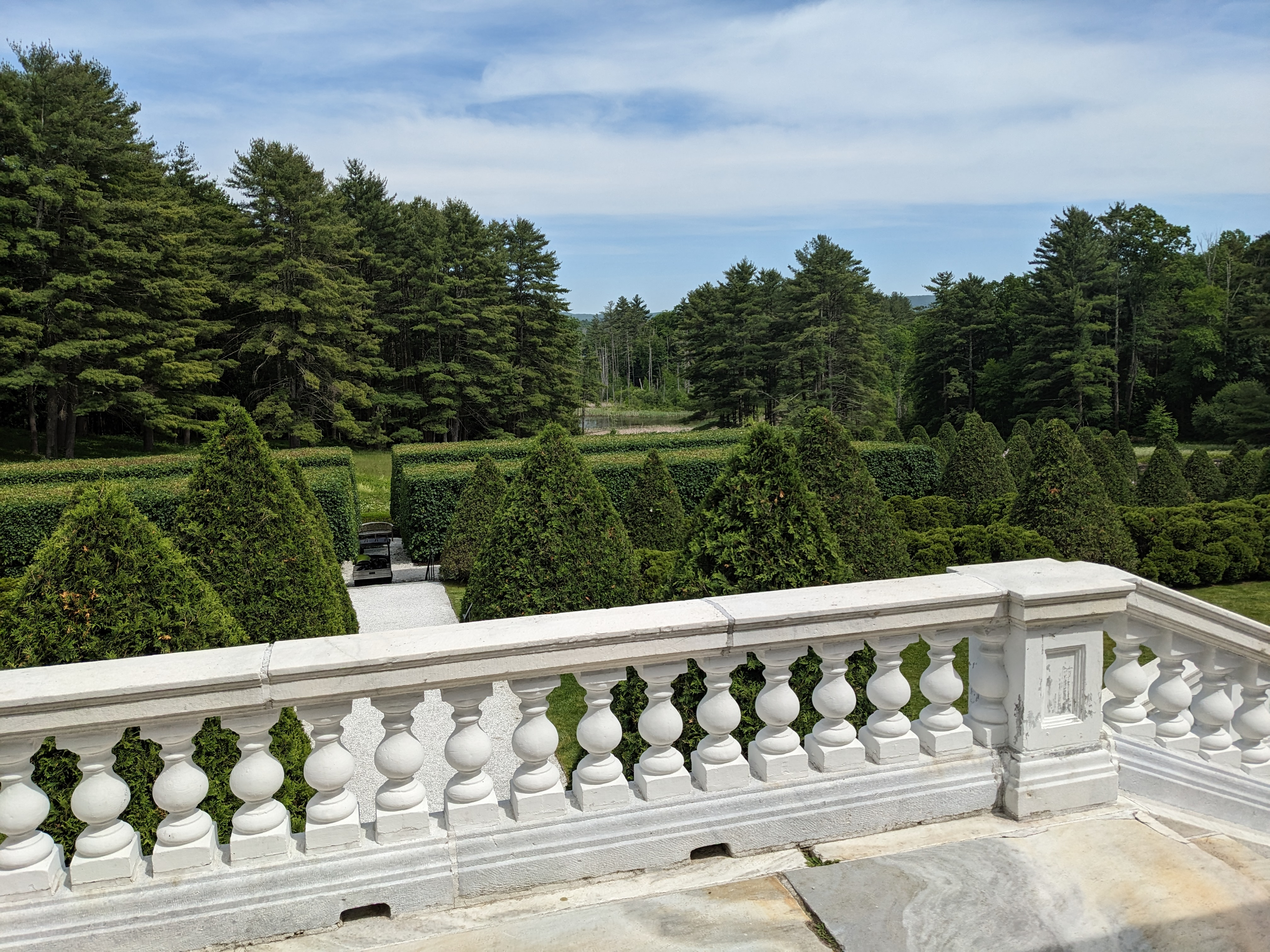
Deciding to capture more fresh air, I entered the terrace from the dining room and descended down the majestic stone steps to Wharton’s walled garden pathway. To the right, passing through a bouquet of lilacs, is Wharton’s Italian garden, the fountain of which is surrounded by white begonias. There are a few benches interspersed throughout this sheltered oasis, and I did not hesitate to seize the opportunity to relax and drink in the refreshing fragrances of my favorite of the two gardens. Being rejuvenated, I headed back down the path to the French garden, with another, dolphin-adorned fountain, surrounded by small bouquets of Wharton’s favorite blooms, including lilies, hydrangeas, and dahlias. Each garden has its own particular view of the mansion and grounds, and each are splendid in their own unique design and construction.

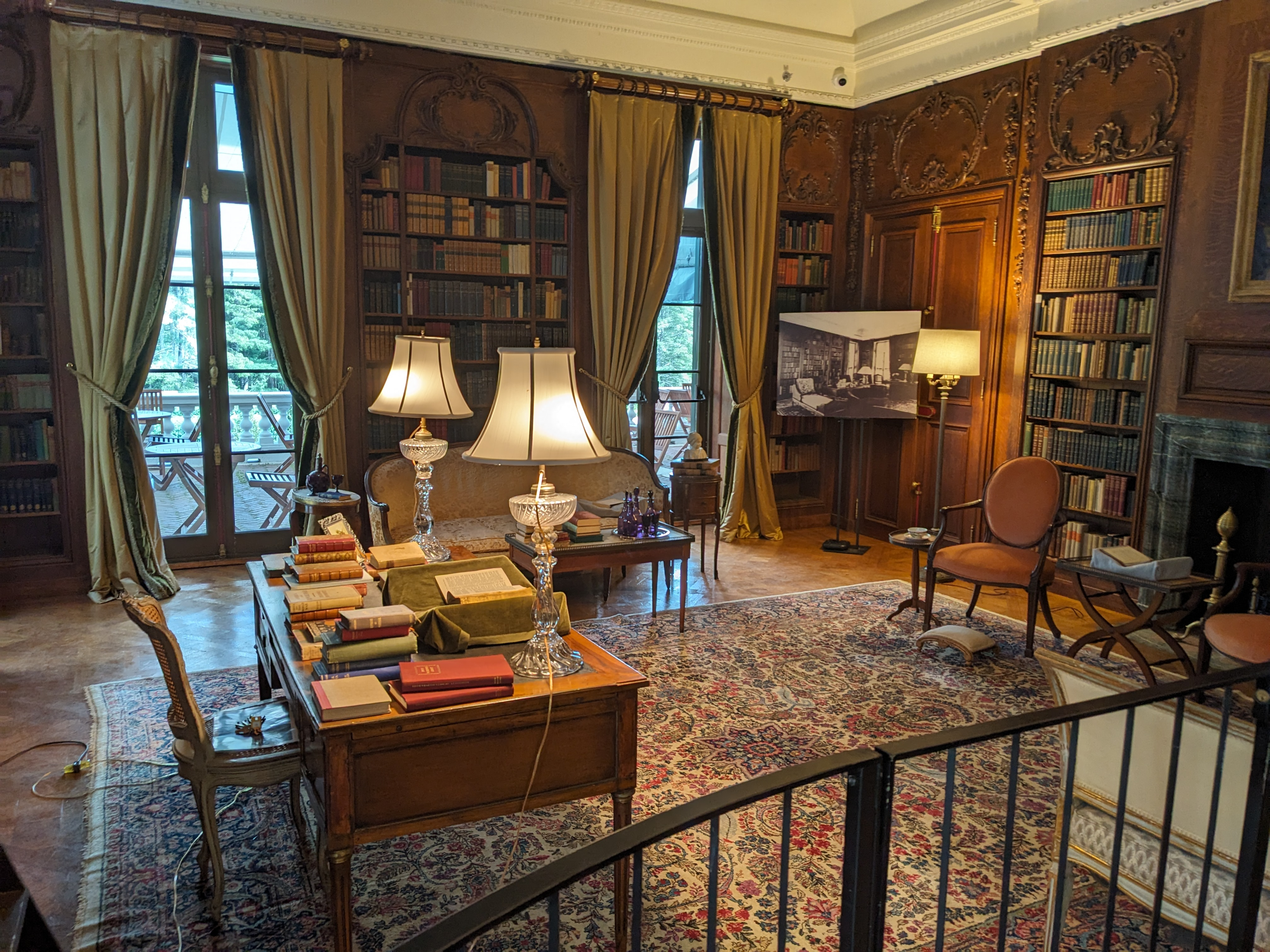
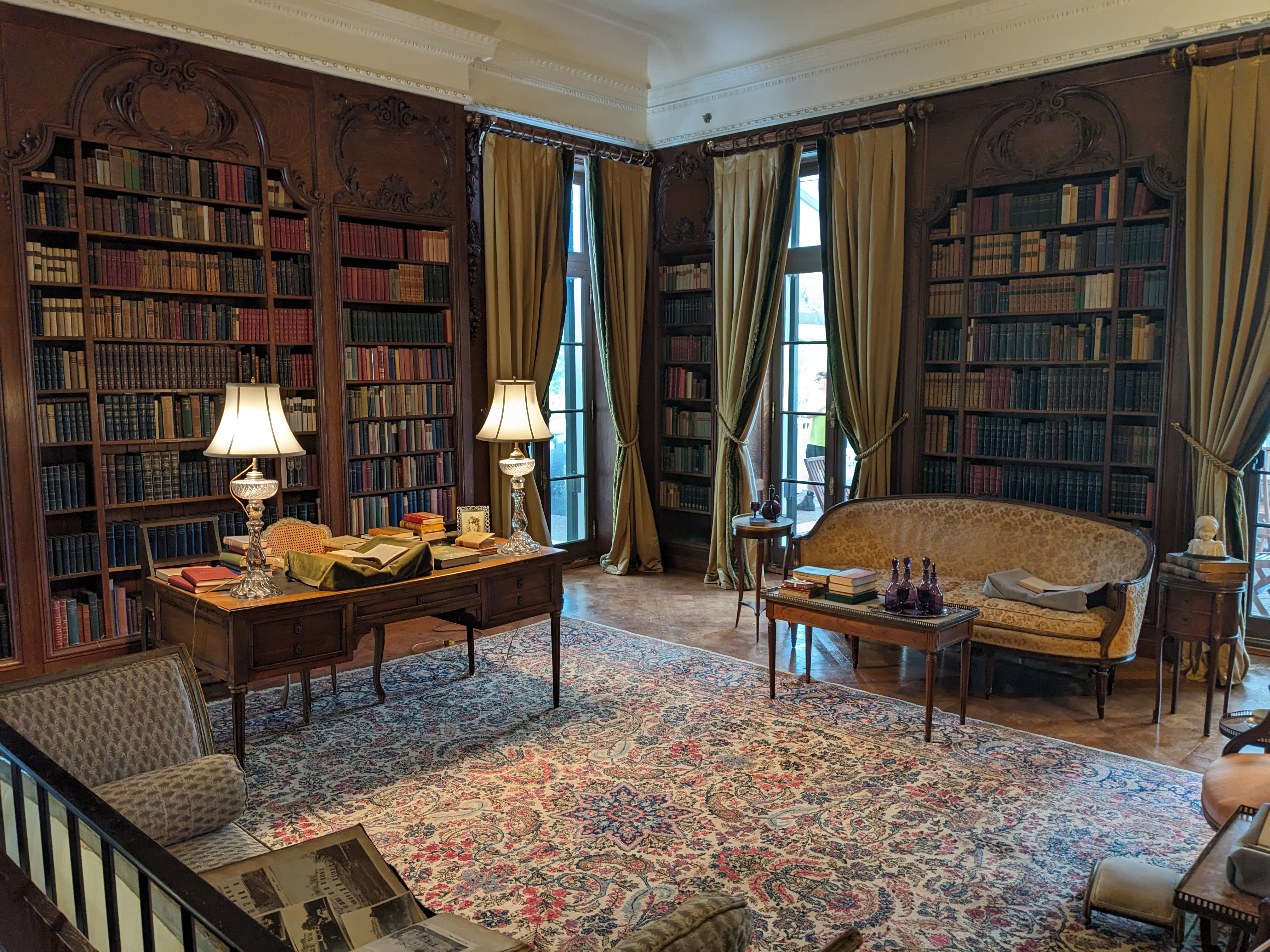
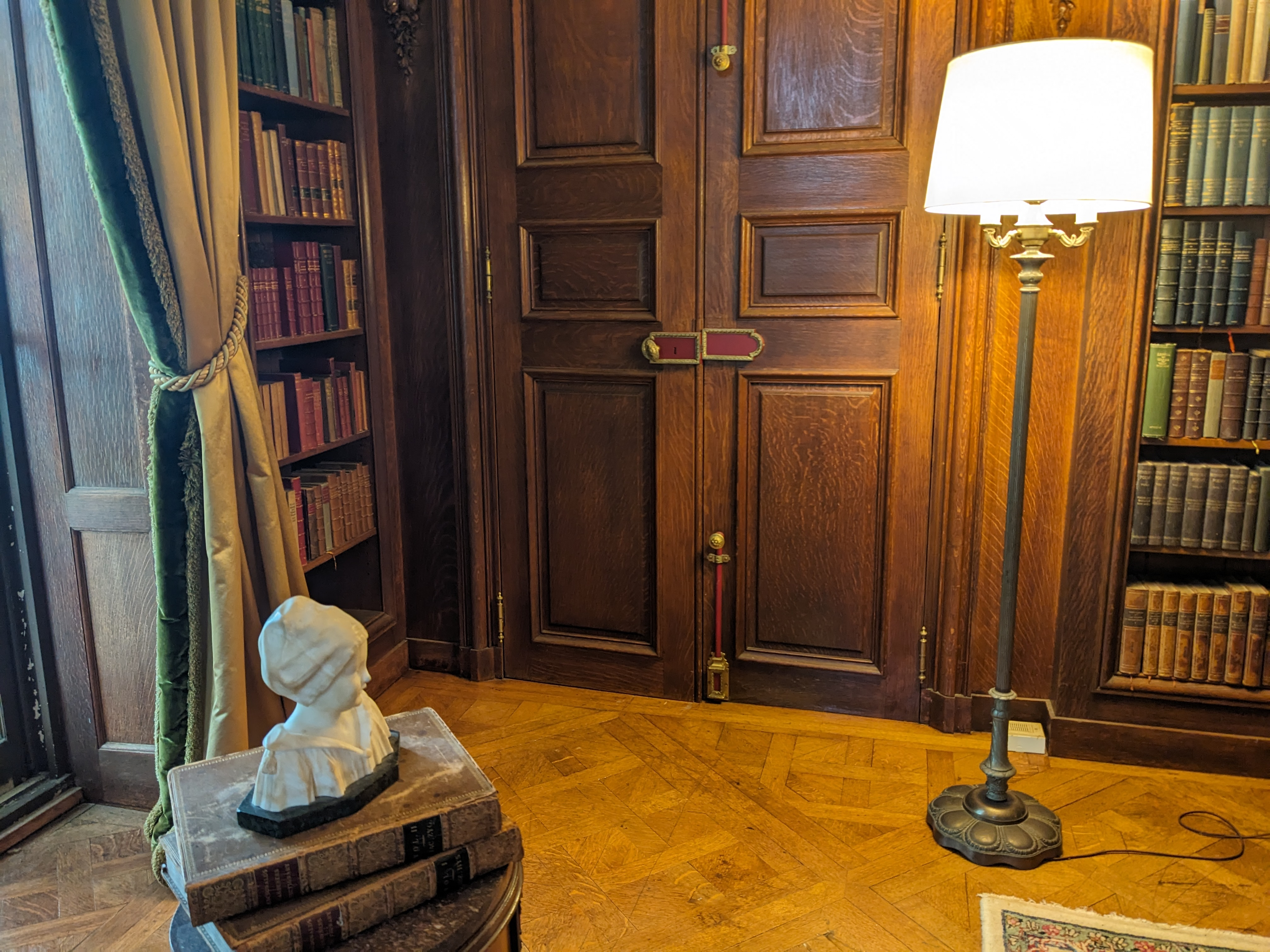
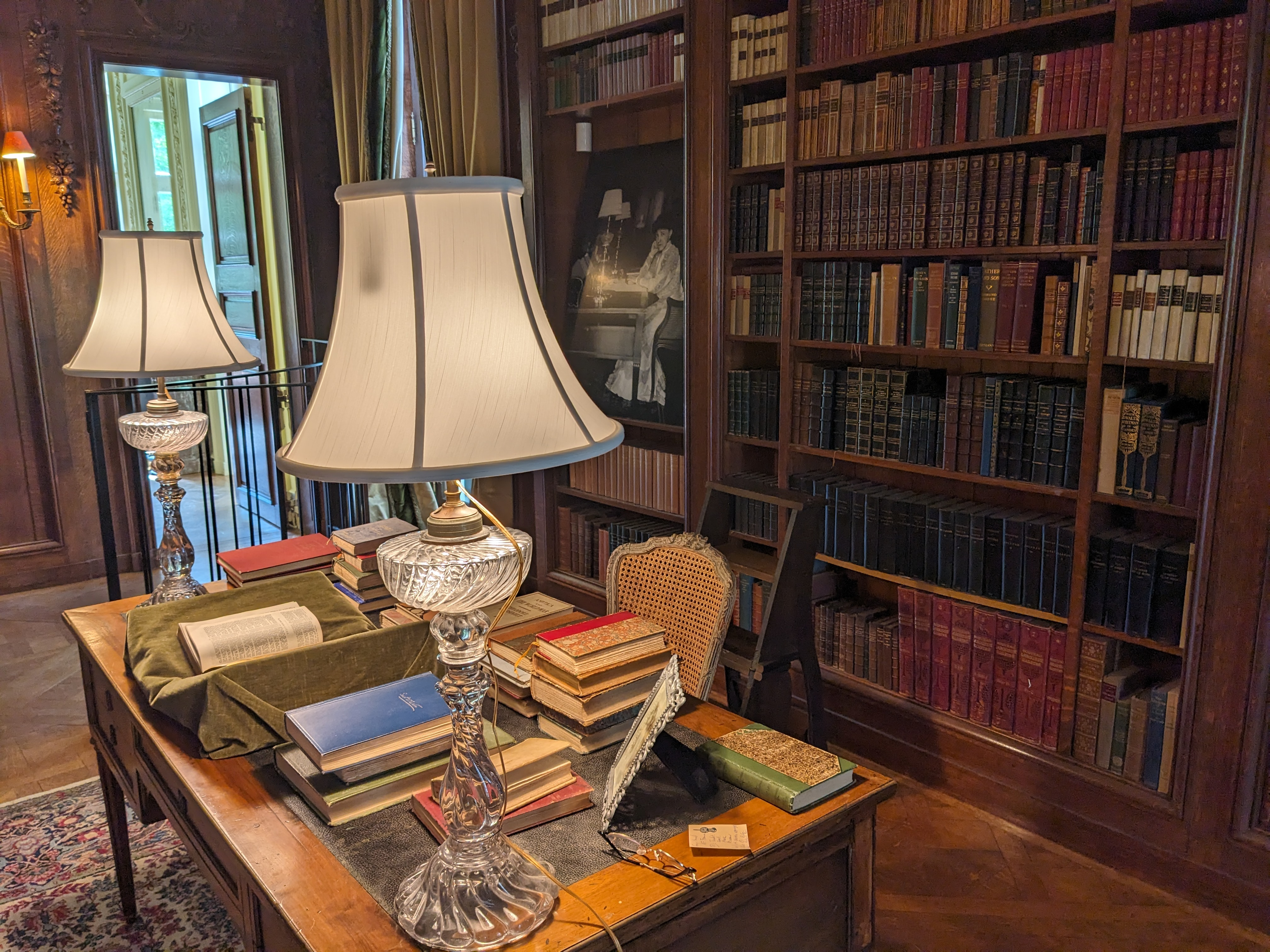
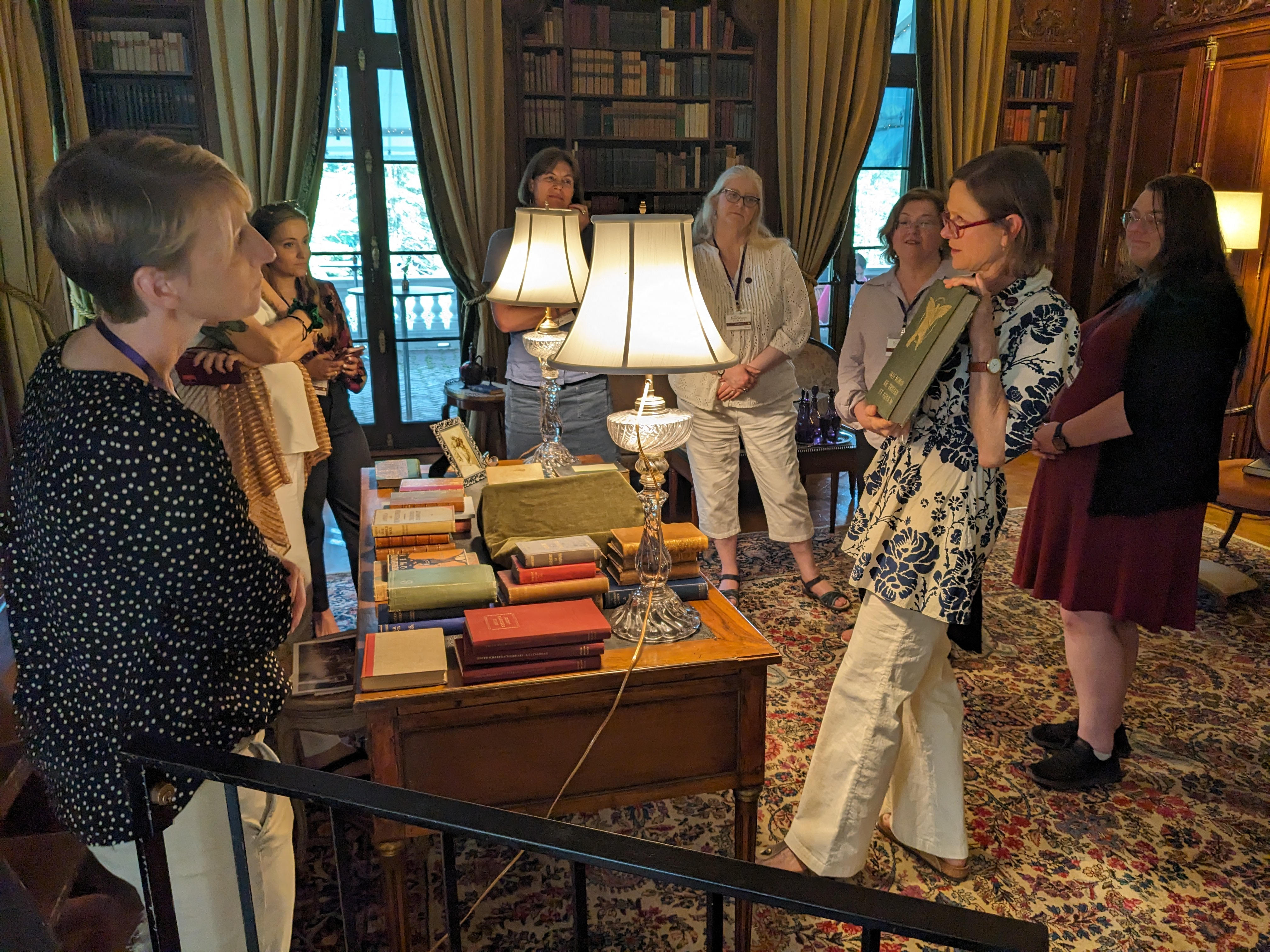
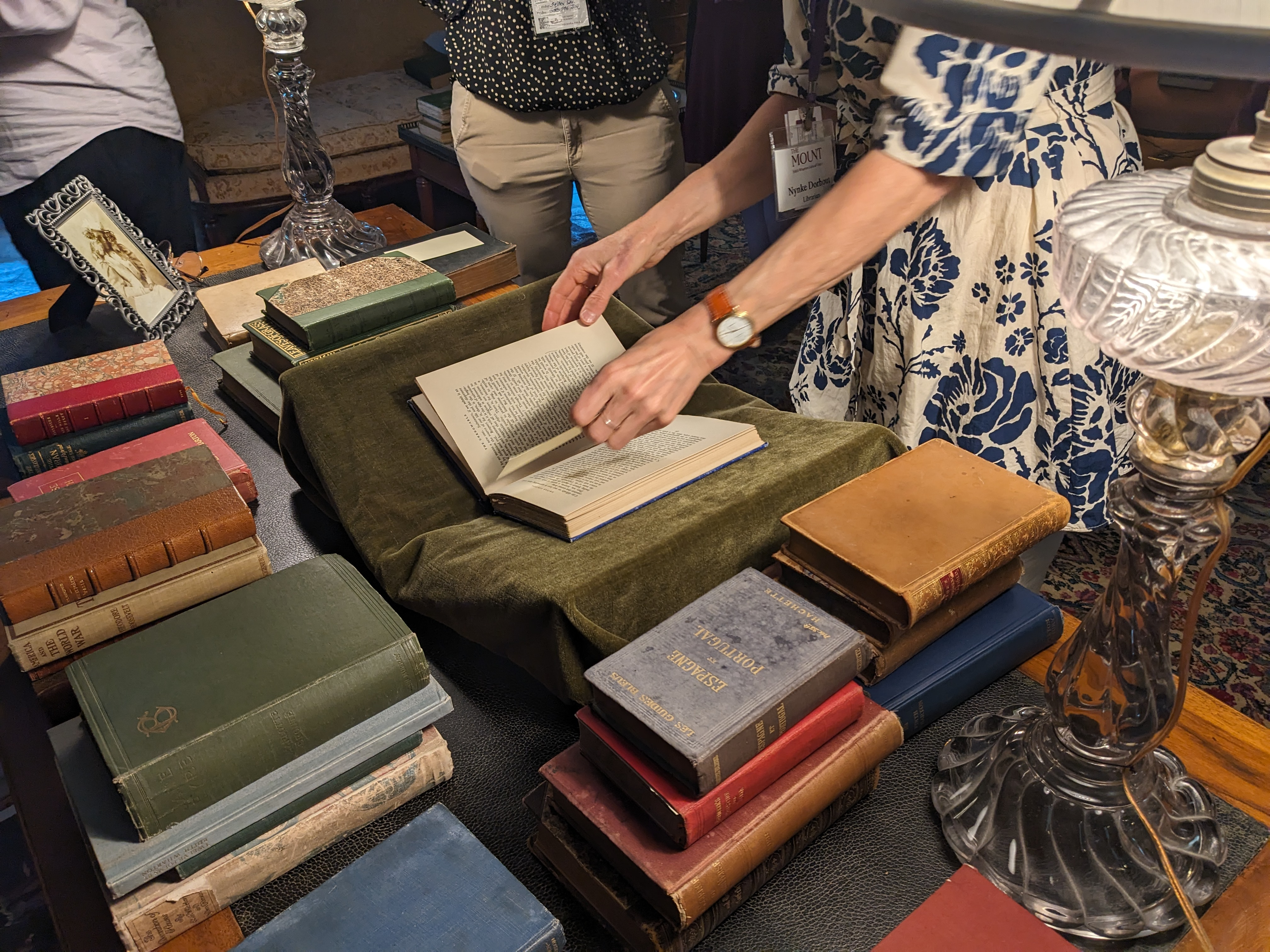
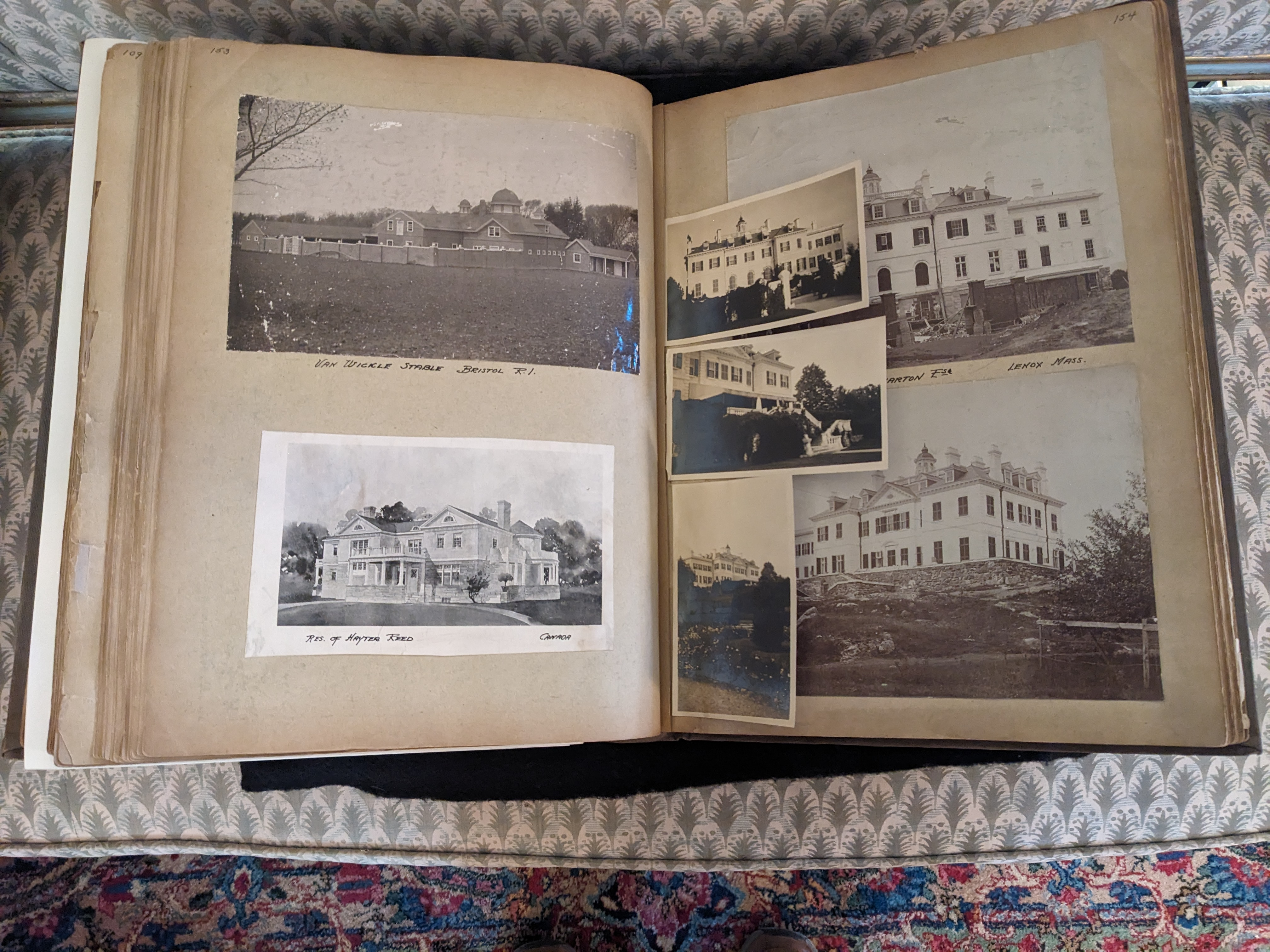
Towards the close of the afternoon was a “breakout session,” which was comprised of an up-close view of Wharton’s library. Upon gathering and entering past the visitor barricade, our guide immediately pointed out Wharton’s collections, starting with her extensive editions in French, German, and Italian. The shelves themselves were set in handsome wood-panelled walls, with Wharton’s writing desk placed rather centrally within the room. Our guide later pointed out several editions gifted to Wharton and inscribed by her associates, including her publisher, Charles Scribner; her colleague, friend, and rival, Henry James; and even her governess and confidante, Anna Bahlmann. Along with these fascinating tomes was a rare collection of photos, the only ones known to fully capture The Mount under construction.

The evening ended with a soiree that brought together all the gathered scholars, academics, and Wharton enthusiasts, allowing for a delightful intermingling and exchanging of ideas and observations. This tasteful event concluded with a lifetime achievement award presented to renowned Wharton scholars Drs. R. Alan Price and Irene Goldman-Price (sorry, no photos of this!!). A huge and humble shout-out to Sarah Margolis-Pineo, director of the summit, and Drs. Laura Rattray and Emily Orlando, legendary Wharton scholars, who spearheaded the panels and presentations. This overwhelming experience was only made possible by these and other auxiliary staff and academics, ensuring everyone would walk away at the end of each day with something extraordinary.

Stay tuned for my next post, 2026 Edith Wharton Summit: Day 2, to be published next Monday, June 22nd!! I certainly hope you enjoyed this one, and please, by all means comment with any questions or remarks you may have about any part of the event. Please also ask permission or give credit before reproducing photos. Thank you for visiting!!
Summer in Winter

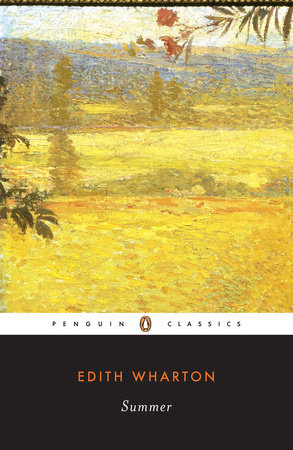
On this official last day of winter, with balmier seasons ahead, I thought it appropriate to revisit Wharton’s oft-neglected novella to postulate something that may or may not have had an effect on her characters, plot, and ending: what would Summer have been like had Wharton set the story in winter, like her Ethan Frome??

The novella begins as thus:

“It was the beginning of a June afternoon. The springlike transparent sky shed a rain of silver sunshine on the roofs of the village, and on the pastures and larchwoods surrounding it. A little wind moved among the round white clouds on the shoulders of the hills, driving their shadows across the fields and down the grassy road that takes the name of the street when it passes through North Dormer. The place lies high and in the open, and lacks the lavish shade of the more protected New England villages. The clump of weeping-willows about the duck pond, and the Norway spruces in front of the Hatchard gate, cast almost the only roadside shadow between lawyer Royall’s house and the point where, at the other end of the village, the road rises above the church and skirts the black hemlock wall enclosing the cemetery.”

It is easy to observe the contrast here. Wharton would have you believe that the setting is nothing but warm, pleasant, and bucolic, this put in stark relief against her Ethan Frome, which is an icy tale full of woe and misery. The reader is led towards a positive outlook, perhaps to think that all that is to follow will have a satisfying outcome, a stereotypical “happy ending.” After all, who doesn’t like the weather in June?? And how could any of Wharton’s characters be unhappy in such a dreamy place??

Put under a microscope, however, we are led to something quite different. As readers of Summer, we know that the ending is not ideal, and that her characters, at least her main character, Charity, do not end up particularly happy or satisfied. Charity, like Ethan, is looking for an escape, a chance to break free from her confines, because, to her, this summer landscape is stifling and restrictive. Our minds thereby travel to what the extreme of summer looks, and feels, like at its harshest. The heat and humidity is indeed stifling, and most people do not venture outdoors. The same is true for the winter, in which the drifts of snow and icy temperatures keep most people home bound. So, we can deduce that the extremes of each season leads certain characters, whether in fiction or in real life, to a sort of “cabin fever” effect, where the effects of atmosphere, temperature, and precipitation are prone to driving people to their limits.

And it is this propulsion to the limit that we see affect both Charity and Ethan. It does not matter the season. The extremes of each is what hurtles each character to their individual, but identical fates. Would Charity have indeed escaped North Dormer had Wharton set the story in the winter?? Would Charity have been more resourceful, or more inspired to break free had the winter had its grip on North Dormer?? And inversely, would Ethan have had better luck escaping Starkfield had Wharton set his story in the summer?? It behooves the reader to conclude that, no, it does not matter for Charity or Ethan whether it is summer or winter. We see the glimpses into their identical fates, which ultimately lead to their spiritual destruction. It is evident and foreshadowed in the passage quoted above, where the road ends, just as Charity and Ethan’s stories end, in a place of death, the cemetery.

Readers ultimately mourn for and empathize with Charity and Ethan. But it is at Wharton’s hand that we see their fates played out in the harshest ways. Wharton, in her time, had to bring her characters to such extremes to light attention to the plight of rural men and women of her era. For such people, there were few opportunities for escape or improvement. What we normally observe as the change of seasons in the most delightful of ways were mechanisms of torture for her characters. And perhaps once that warm summer sun pokes over the horizon, or the first snow of winter blows our direction, we’ll remember them more profoundly.

***Stay tuned for more posts!! This June, I will be attending the Edith Wharton Summit 2026 in Lenox, Massachusetts!! So, I look forward to having a plethora of material for future content. Enjoy, and Happy Spring!!

Fables and Fiction: Wharton and “The Age of … Relevance”

“Fiction is the chief intellectual stimulus of our time […] It is ninety-nine chances out of one hundred that the book which, at any given moment, is making the world talk, and making the world think, is a novel.”

–Novel Writing, and Novel Reading (1899), lecture by William Dean Howells

Recently, I have begun to notice something interesting in the things that are “trending” across social media, the web, and (it appears) contemporary literary circles. On my Facebook feed, someone had shared a link to an article titled “Science Shows Something Surprising About People Who Still Read Fiction.” Google’s Zeitgeist commemorative video of the “Year in Search” (2014) revealed that people had searched for “science more than fiction.” And a newly published essay by Roger Grenier in The American Scholar magazine is aptly dubbed “Last Works: Is There Anything Left to Say?”

I loved fiction growing up, and mostly, that was the only kind of reading I did … (I think that’s the only kind of reading most pre-adolescent kids do if there isn’t something more interesting on television, or as a last-resort alternative to spending a weekend or summer away from having to read for homework, and the like) … But I think that it is safer to assume that everyone learns about the world, and themselves, through storytelling. The oral tradition, before the advent of the printing press, had handed down the epic fables, the chronological, biblical tales recorded in story format that were eventually compiled into the Old and New Testaments of the Holy Bible, the text that most everyone already knows is the single most reproduced collection of “stories” ever published … and at the turn of the previous century, the novel had become the premier, ultimate reflection of society’s ability to not just tell and write their own stories, but to turn storytelling, in novel form, into art:

“… The place occupied in the world by the prolonged prose fable has become, in our time, among the incidents of literature, the most surprising example to be named of swift and extravagant growth, a development beyond the measure of every early appearance […] It arrived in truth, the novel, late at self-consciousness, but it has done it’s utmost ever since to make up for lost opportunities. The flood at present swells and swells, threatening the whole field of letters […] The book, in the Anglo-Saxon world, is almost everywhere, and it is in the form of the voluminous prose fable that we see it penetrate easiest and furthest.”

–The Future of the Novel (1900), Henry James, essay

Wharton, encouraged by Henry James, took every advantage of the contemporary trend of the “prolonged prose fable,” and used not only her talent and foresight to populate the imaginations of her readers, but her understanding of the power of the fable.

The fable is, by meager definition: “a short story … conveying a moral.” A few of Wharton’s more successful works are, if measured by their length, technically considered fables (or novellas — Ethan Frome, Summer), but her three most distinctive, novel-length works — The House of Mirth, The Custom of the Country, and The Age of Innocence — would more appropriately fall under James’ heading of the “prolonged prose fable.” It was these novels that mirrored the “zeitgeist” of Edwardian New York society. If there were any hashtags placed before words in private, written correspondence, they would have probably gone before the titles of novels such as Wharton’s.

Perhaps the novel form that Wharton perfected is truly not as relevant or as popular a force today as it was then, nor as singular an indicator of the spirit, tone, and interests of contemporary American society. Since the turn of the previous century, more modes of expression have emerged to conduct the electricity of storytelling, and the power that it brings to individual life. And perhaps also, the use of the novel as a conductor of storytelling is not as favored or as preferred by artists as it once was by Wharton and James.

Yet the story itself remains. The fable remains. And even if everyone across the globe were robbed in an instant of their ability to read and to write, the need to tell stories would remain, to turn stories (events) into fables (lessons). A return to the oral tradition, in an ironic way.

In this sense, I believe that there is no “Age of Relevance” for the story and the fable. Turning one into the other — whether in a novel, on television, on YouTube, in the theater, in graffiti color on a wall of a neglected underpass, in a journal or a notebook or a time capsule that no one may ever see — is a kind of expression, a kind of fiction, that will never die with time, and that telling our own cultural and personal stories, whether in more direct ways, or using fiction as a filter, is a priority that cannot be ignored.

It seems apparent that Wharton, and other American writers who followed, were conscious that the novel would become a sort of “dying breed” of written expression. But there is no doubt (in my mind) that most of these writers, including Wharton, would not be so scathing enough to entirely disapprove of the different modes of media and expression and communication that most everyone is familiar with today …

Distracting? Yes. Detracting? Perhaps. But irrelevant? Far from it.

Blog at WordPress.com.

Up ↑