Search

Red Pickle Dish

Edith Wharton Revisited

Tag

Edith Wharton

2026 Edith Wharton Summit: Day 3

So, while this post, Day 3, is not technically related to the Summit event schedule, it does go in depth concerning a location very much associated with The Mount – the town of Lenox, Massachusetts. Participants of the Summit were provided with a printed, and digital, “Edith Wharton Walking Tour” of Lenox, and it is from this document that I was inspired to go on foot through the town on the final day of the the Summit. This will be a brief tour, covering only a handful of points of interest – so here we go!!

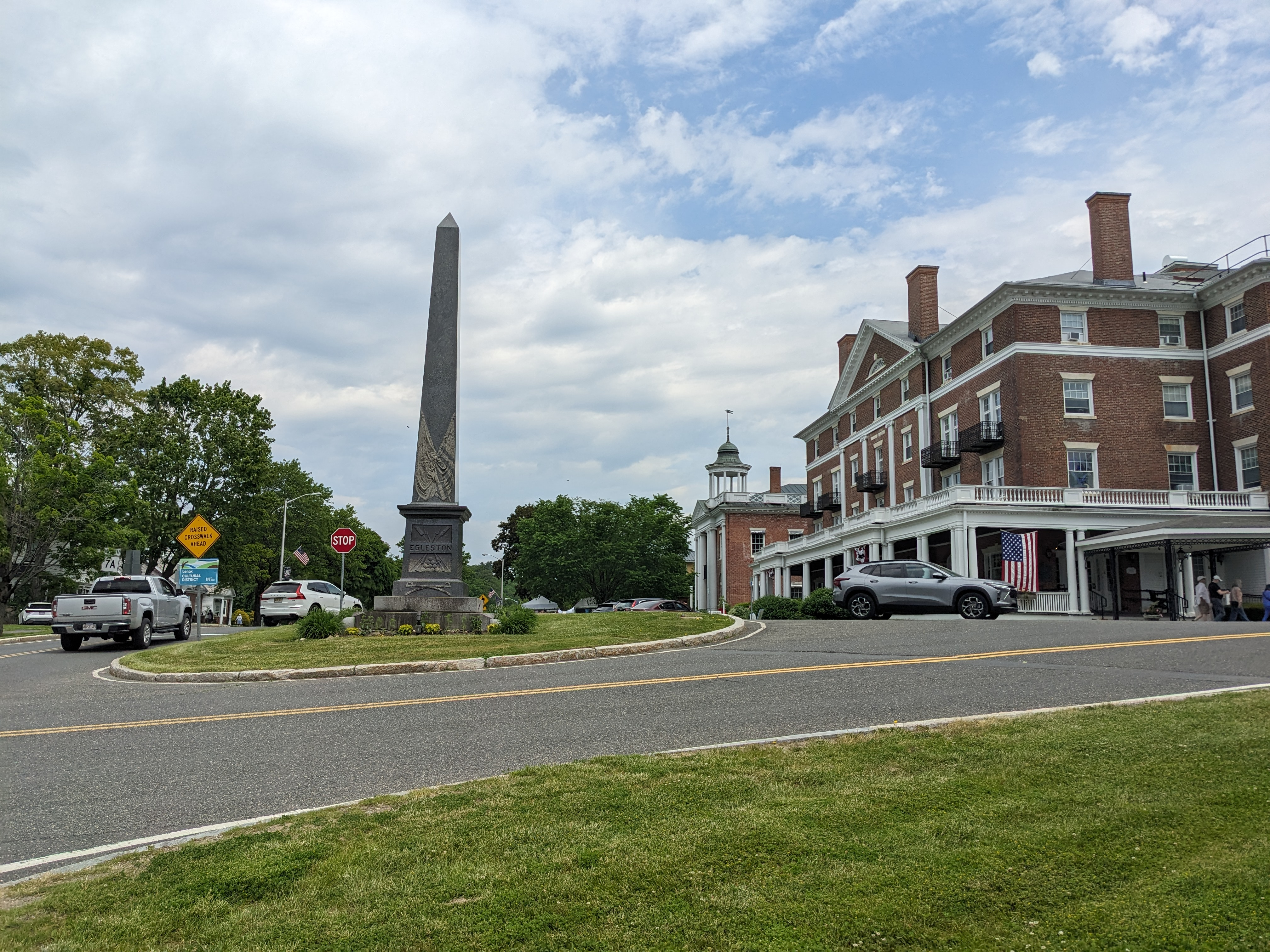
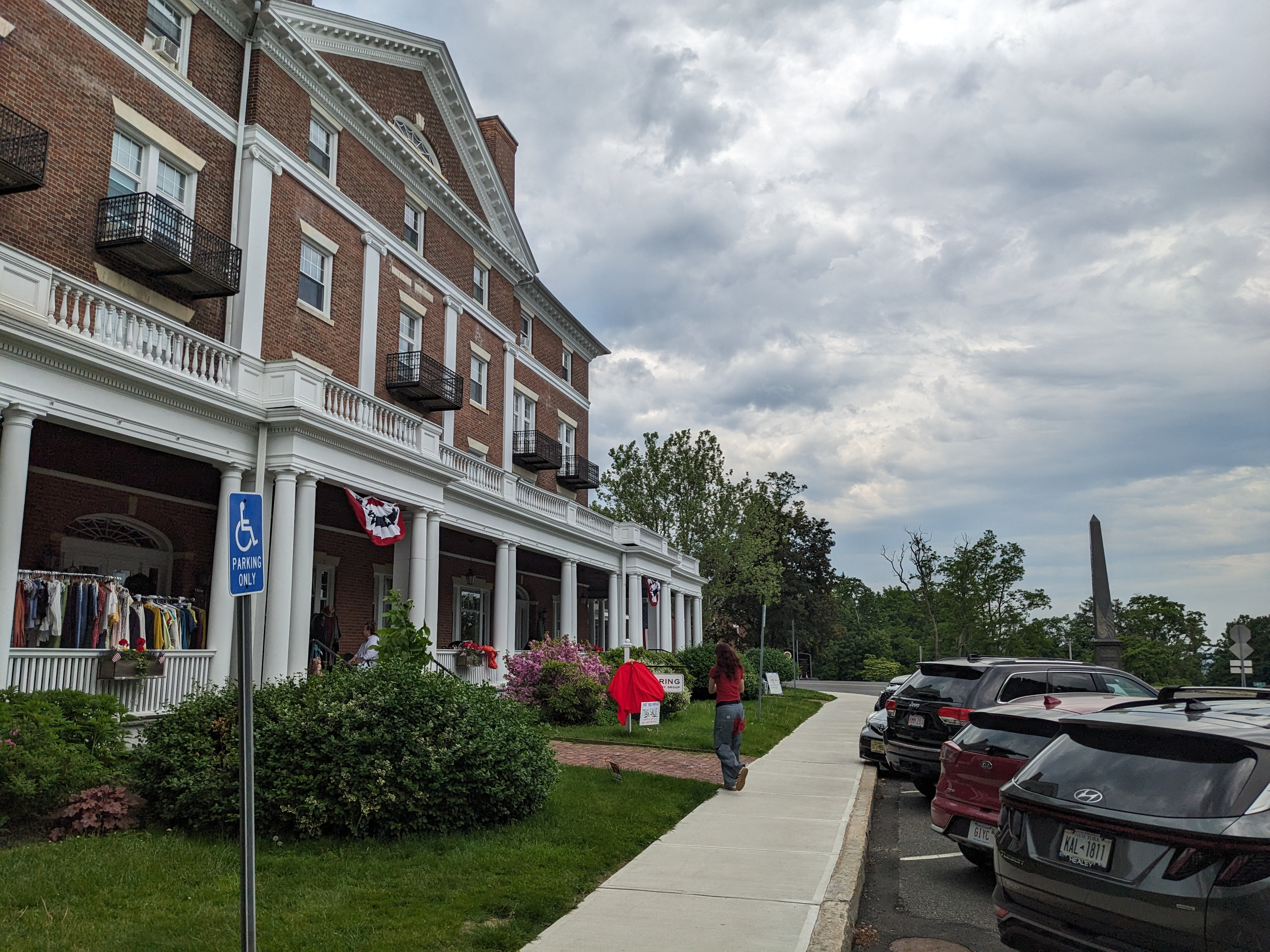
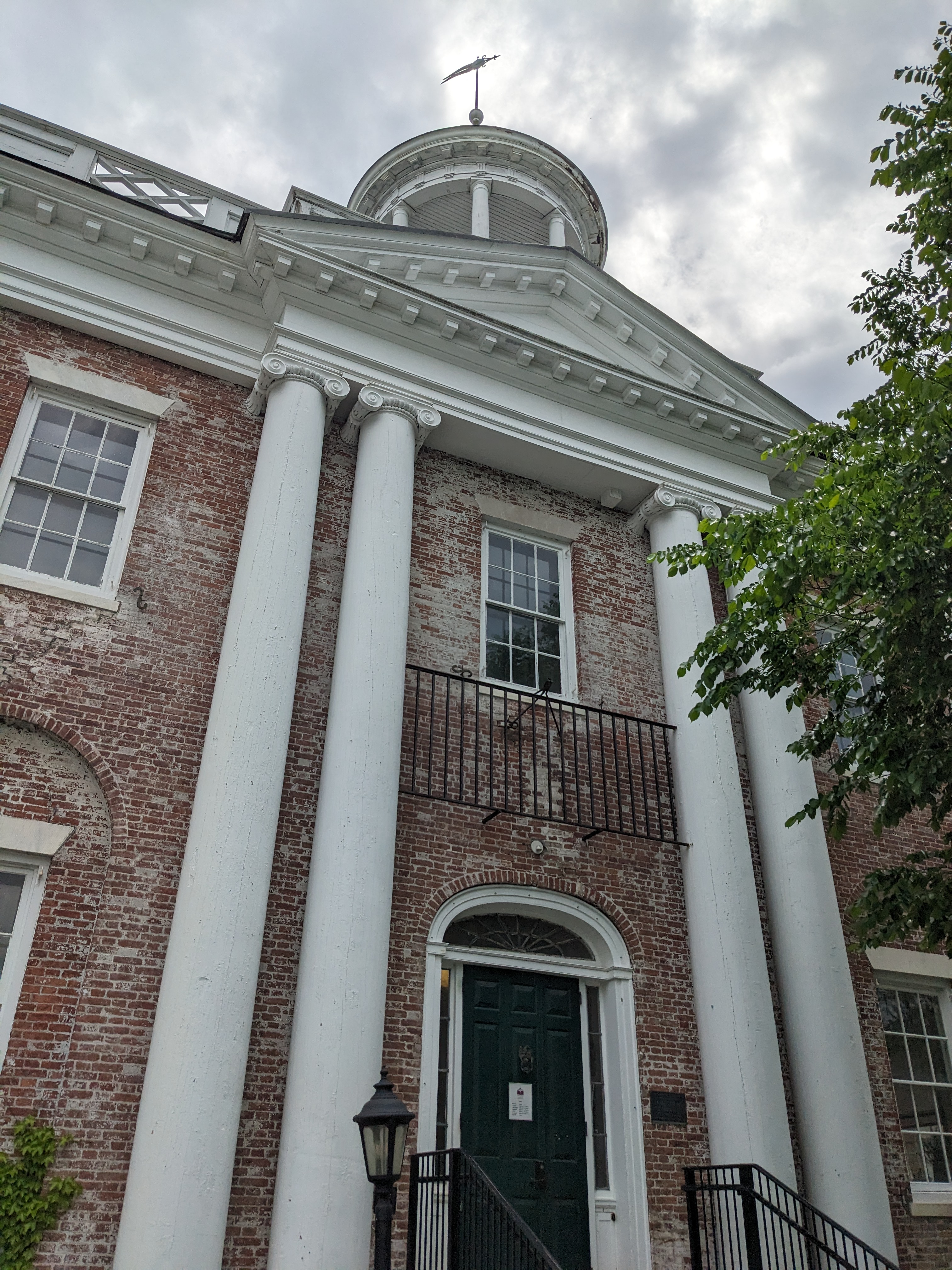
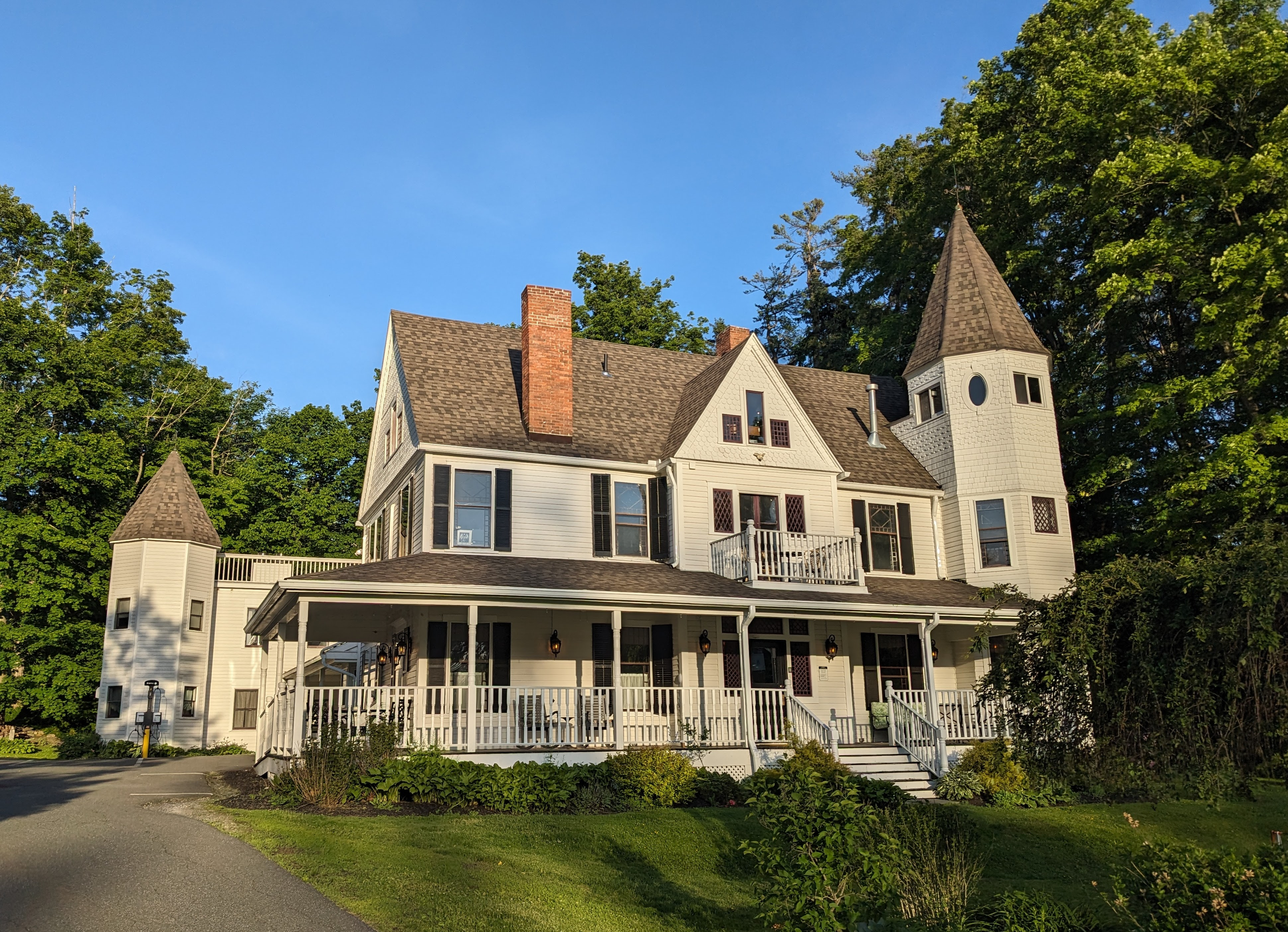
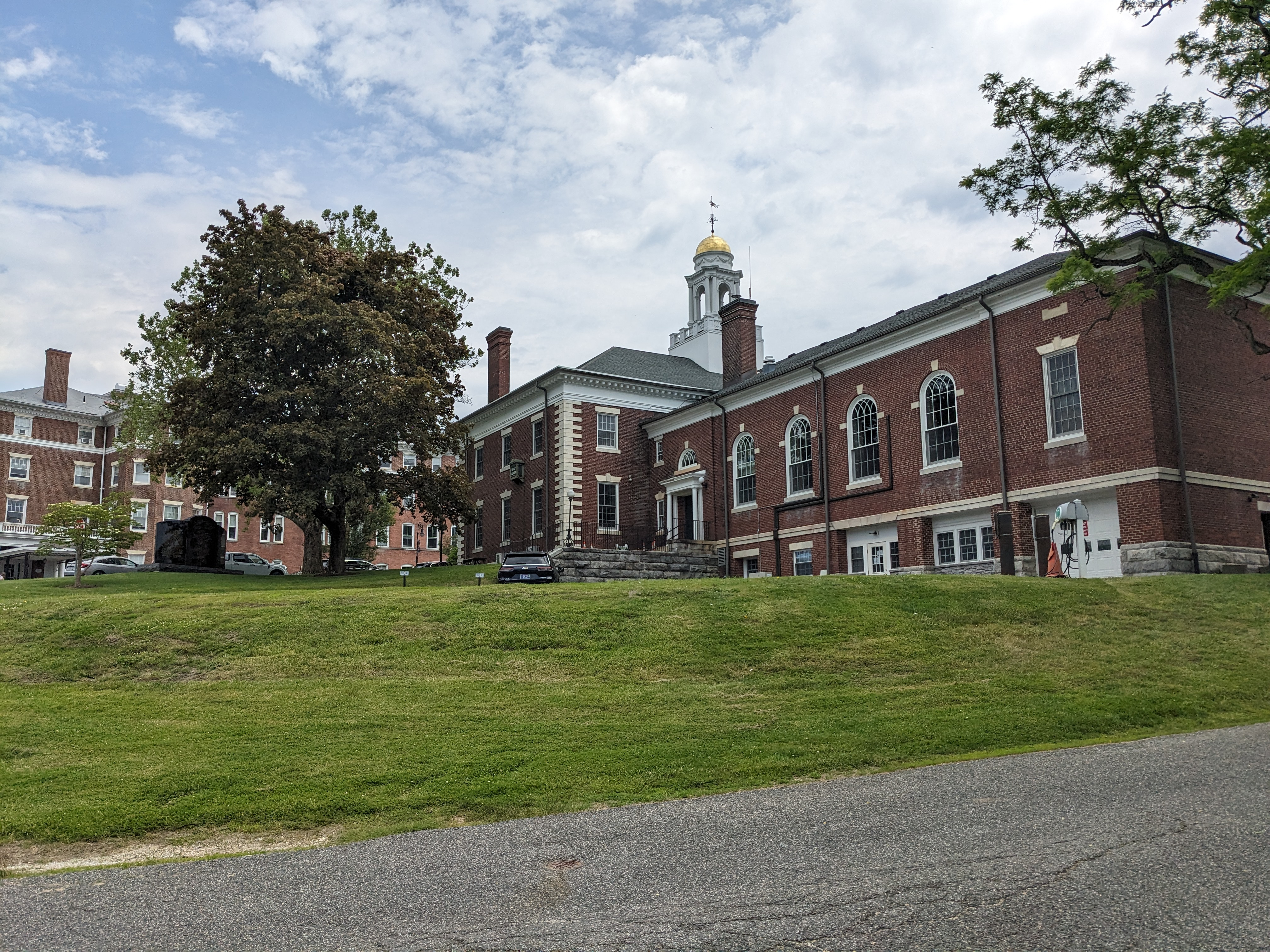
My starting point, once departing the Summit, was from my hotel, which was quite conveniently located in close proximity to the center of town. Called The Hideaway Inn (which, if ever you are in need of lodging in Lenox, I highly recommend!!), this beautifully restored Victorian establishment offered central access to town. Upon approach to the intersection of Old Stockbridge Road and Walker Street, to my right was the sprawling, red brick, 125-year-old Lenox Town Hall (built in 1901). Across from the Town Hall, on the northern side of Walker Streeet, was situated The Curtis Hotel, built in 1829. Teddy Wharton and his family often stayed here while summering in the Berkshires, and Edith’s governess and confidante, Anna Bahlmann, also stayed here while the Whartons were in Lenox. The wrap-around porch and stately brick structure lends an air of sophistication to the town, also very similar in build to the Town Hall.

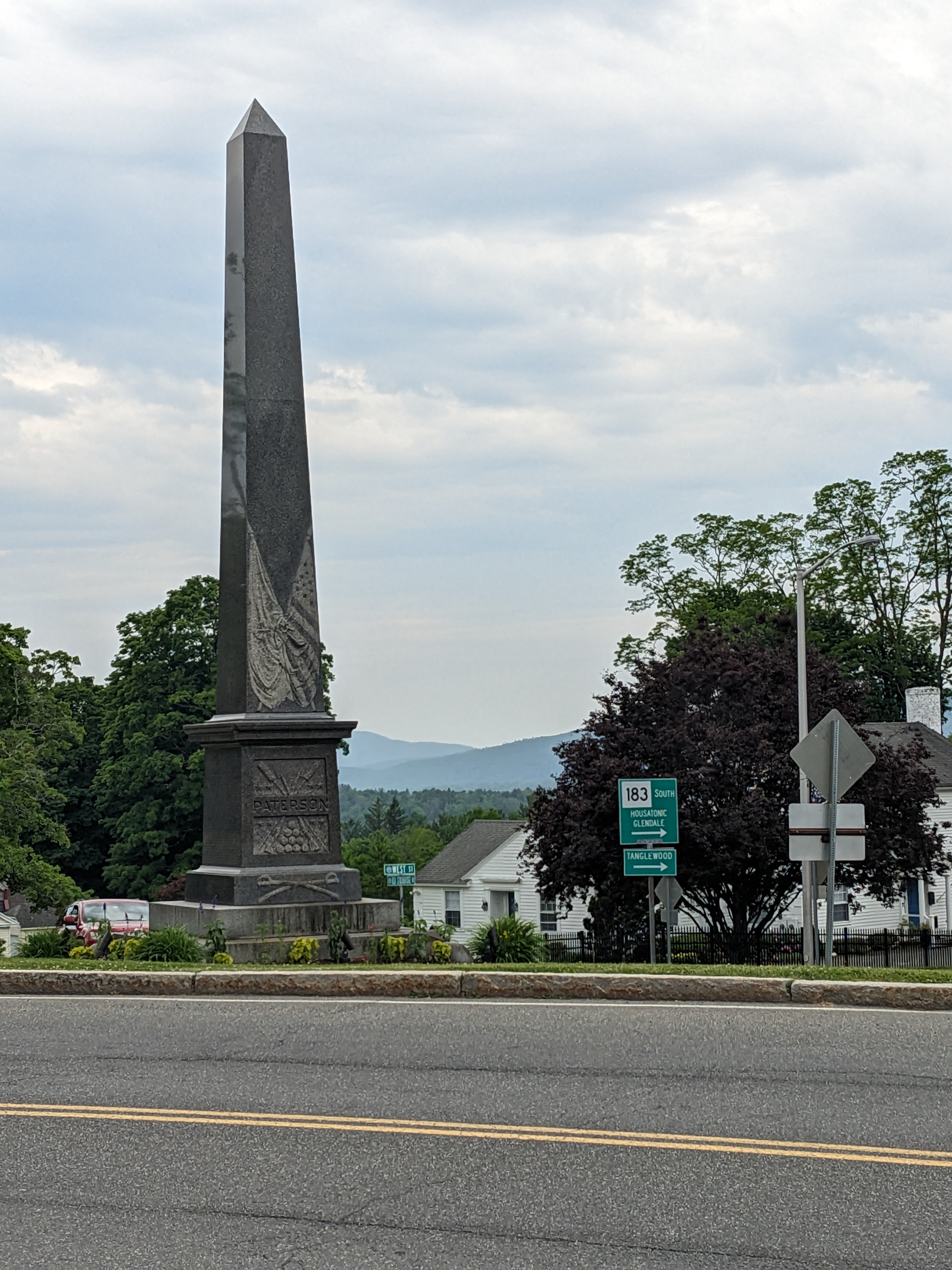
While meandering throughout this intersection, one’s eye is drawn to the stone obelisk, named the Paterson-Egleston Monument. Dedicated in 1892, this structure stands in tribute to two prominent local families who were very much involved in the American Revolution and the early development of the town. What is perhaps more intriguing, however, is that this is the very intersection where 18-year-old Hazel Crosby died in the historic sledding accident of 1904. As many Wharton enthusiasts may already know, it was this incident that served as inspiration for Wharton’s 1911 novella Ethan Frome. A survivor of this accident, Kate Spencer, later befriended Wharton, and also worked as a librarian in the Lenox Library.

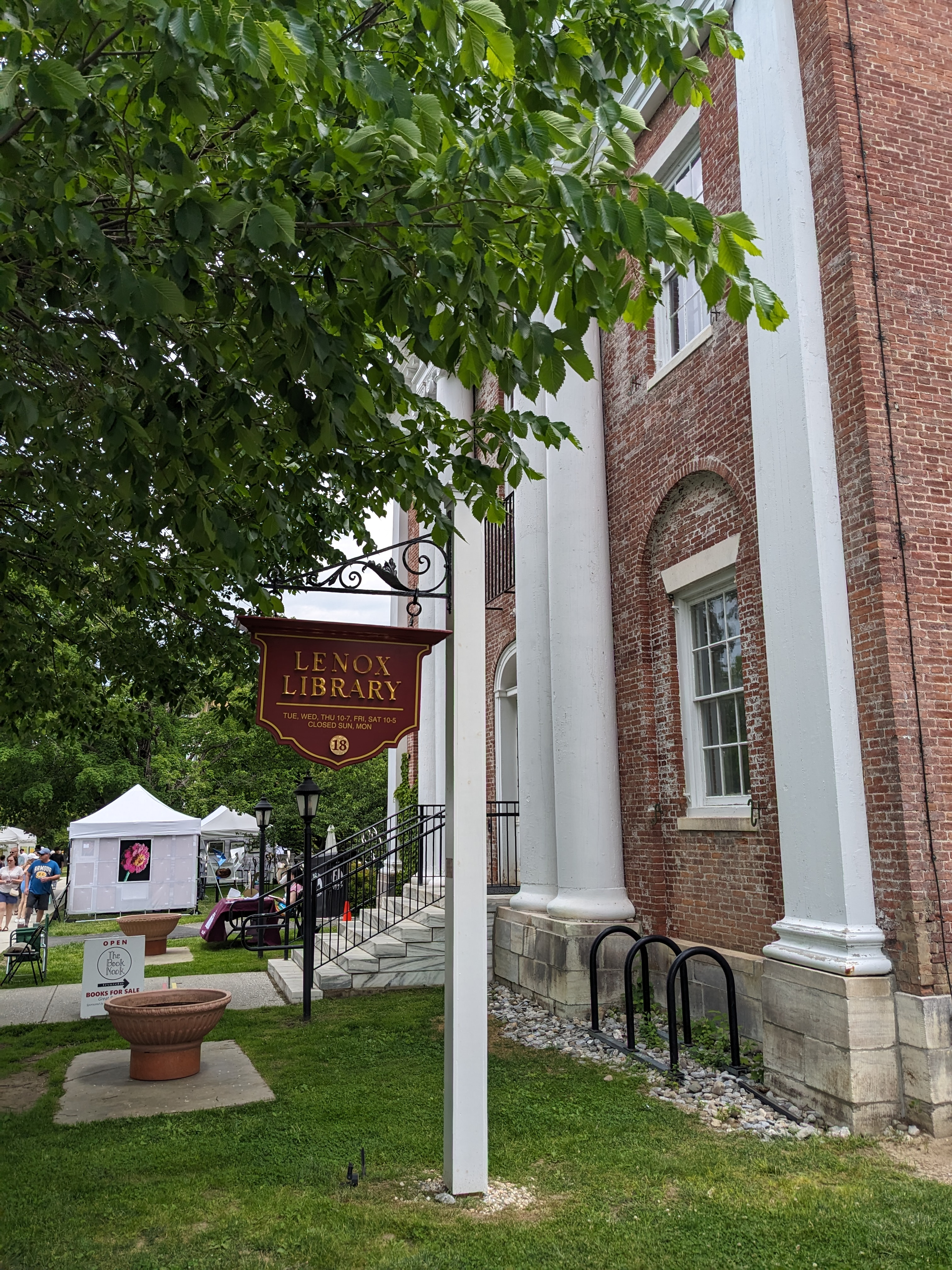
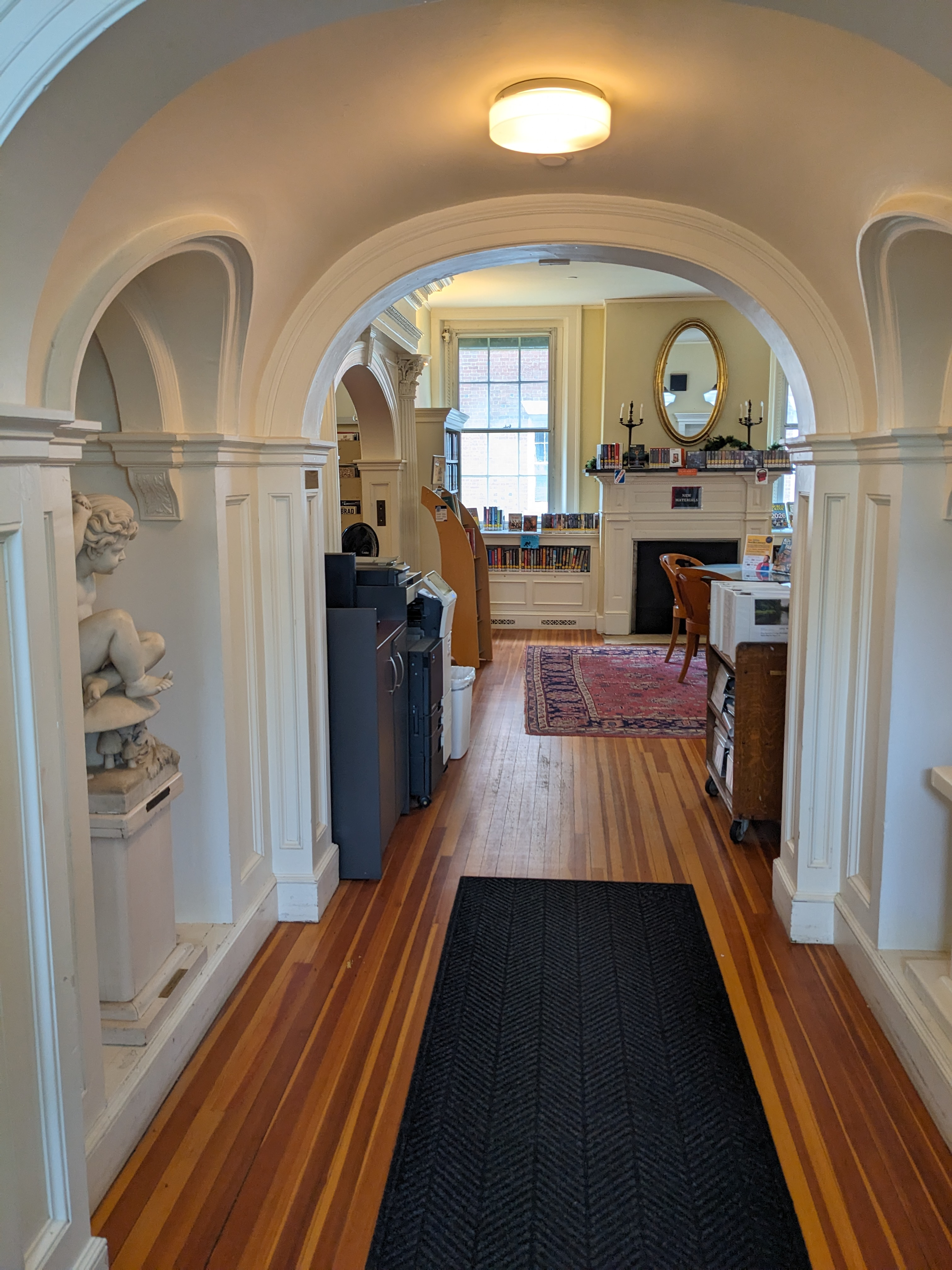
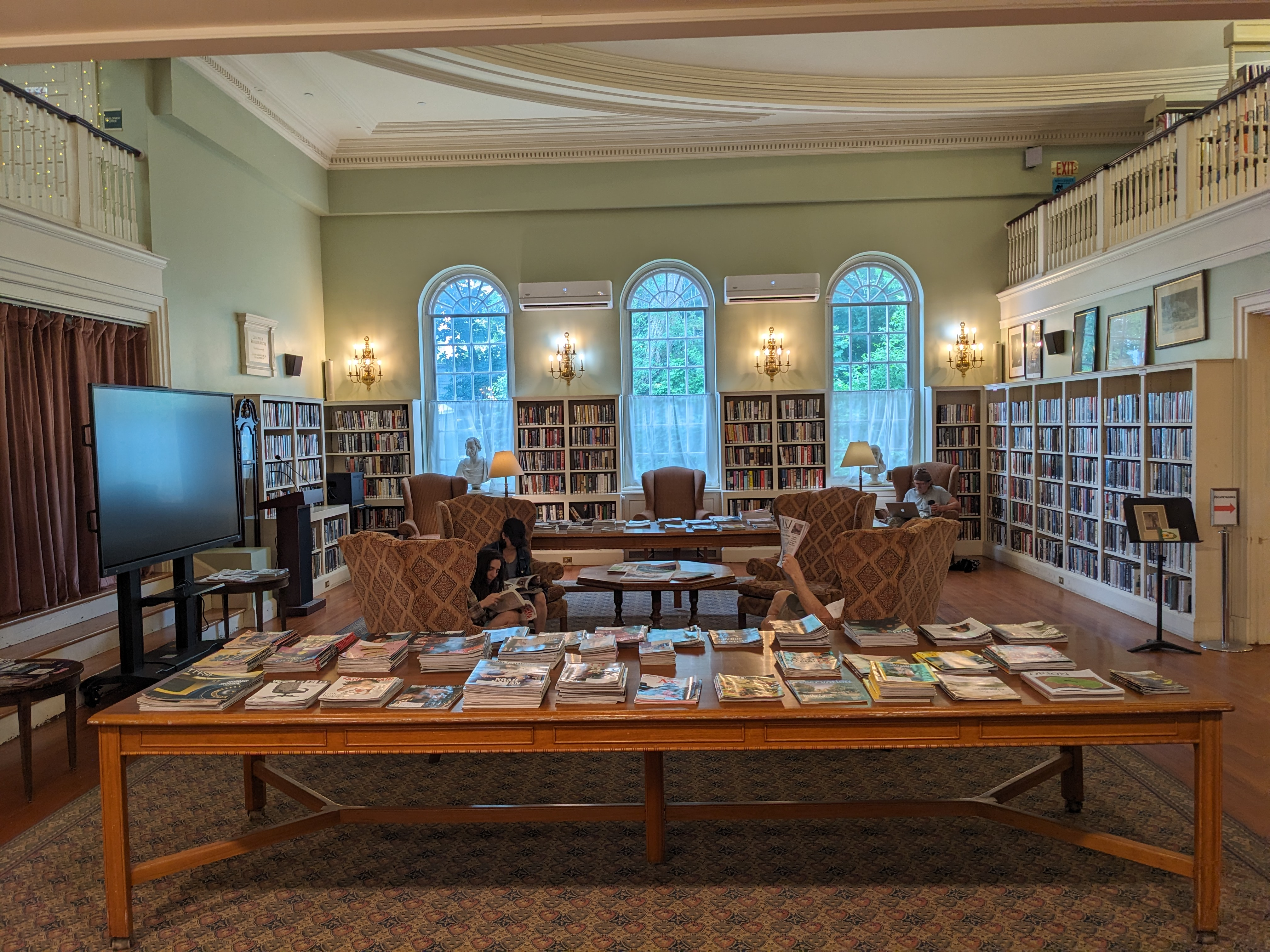
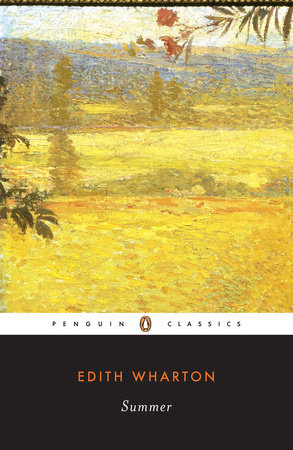
Mentioning the Lenox Library, it was this building that I next encountered on my walk deeper into town. Its unassuming exterior, while similar in design to the adjoining structures, does not betray any indication of the Wharton-rich materials that reside within. Upon entering and crossing the entrance vestibule, one is greeted by the front desk and helpful library staff. Wandering further, one can’t help but notice the original wood flooring and ornate white molding throughout. Traversing one reading room at a time, one also can’t help but recall in Edith Wharton’s Summer when Lucius Harney visits Charity Royall in the Hatchard Memorial Library, her place of employment, to assess the architectural integrity of the building, and where it could be extended, while also not failing to secure a brief moment of flirtation between one another.

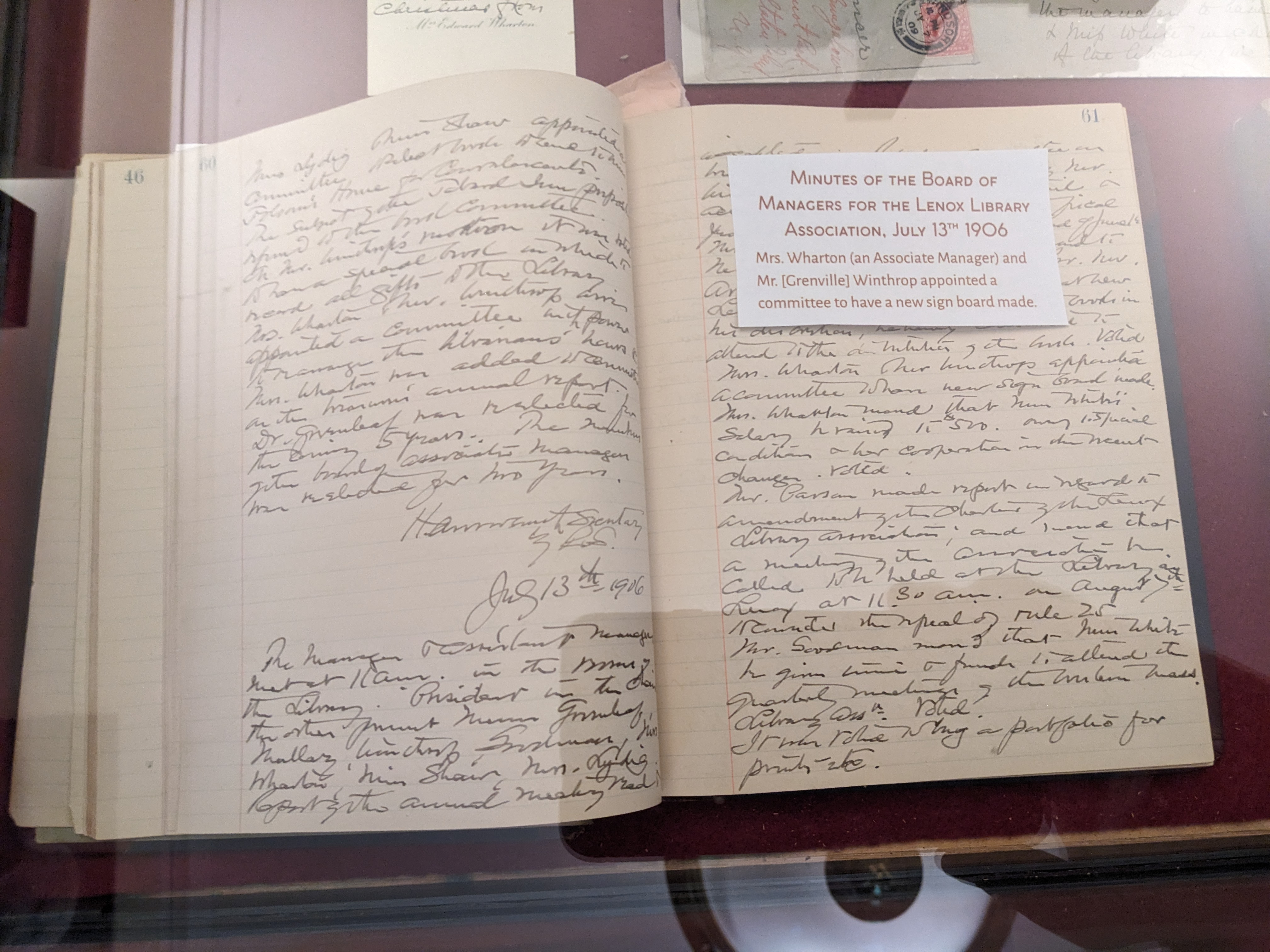
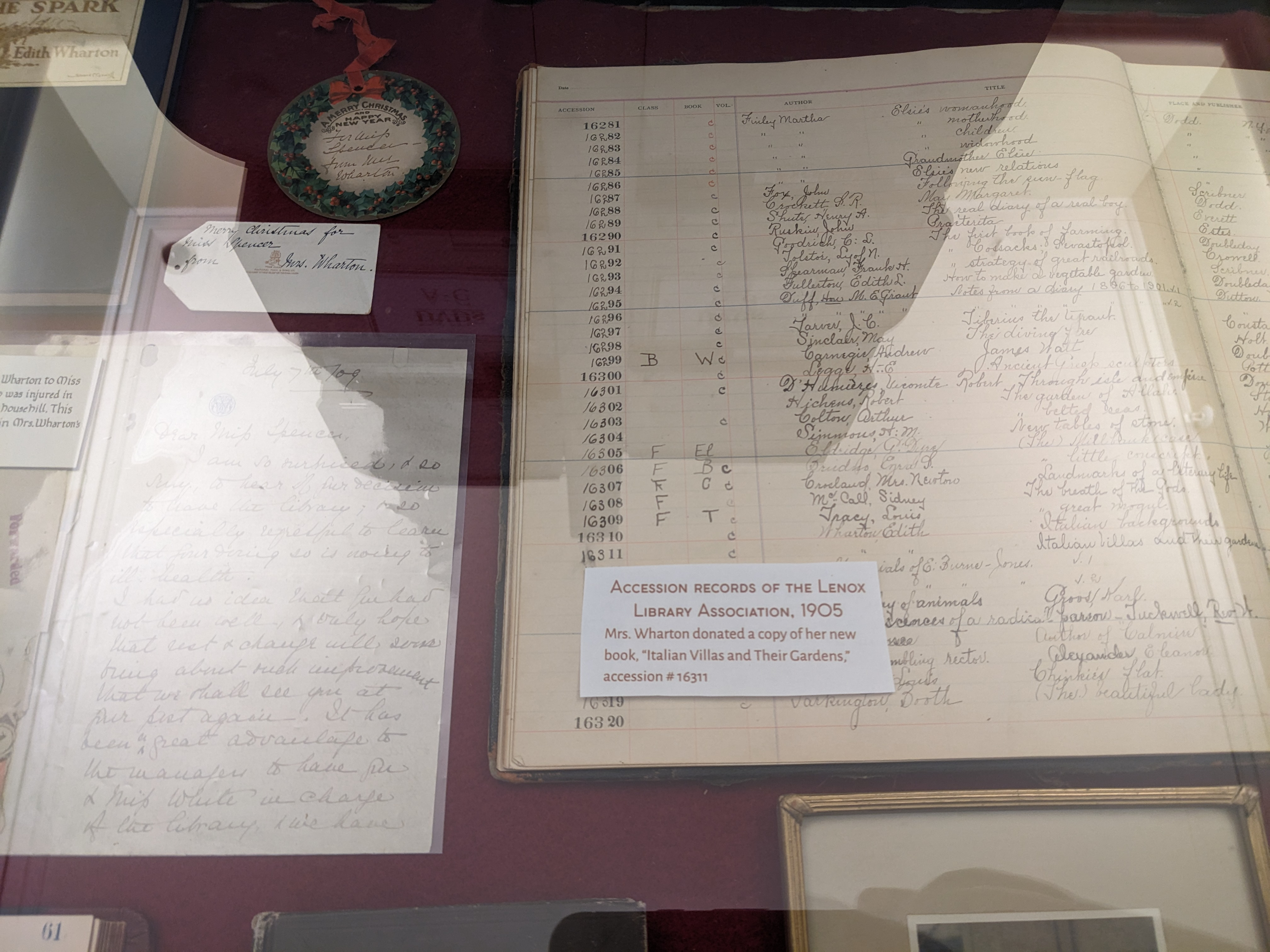
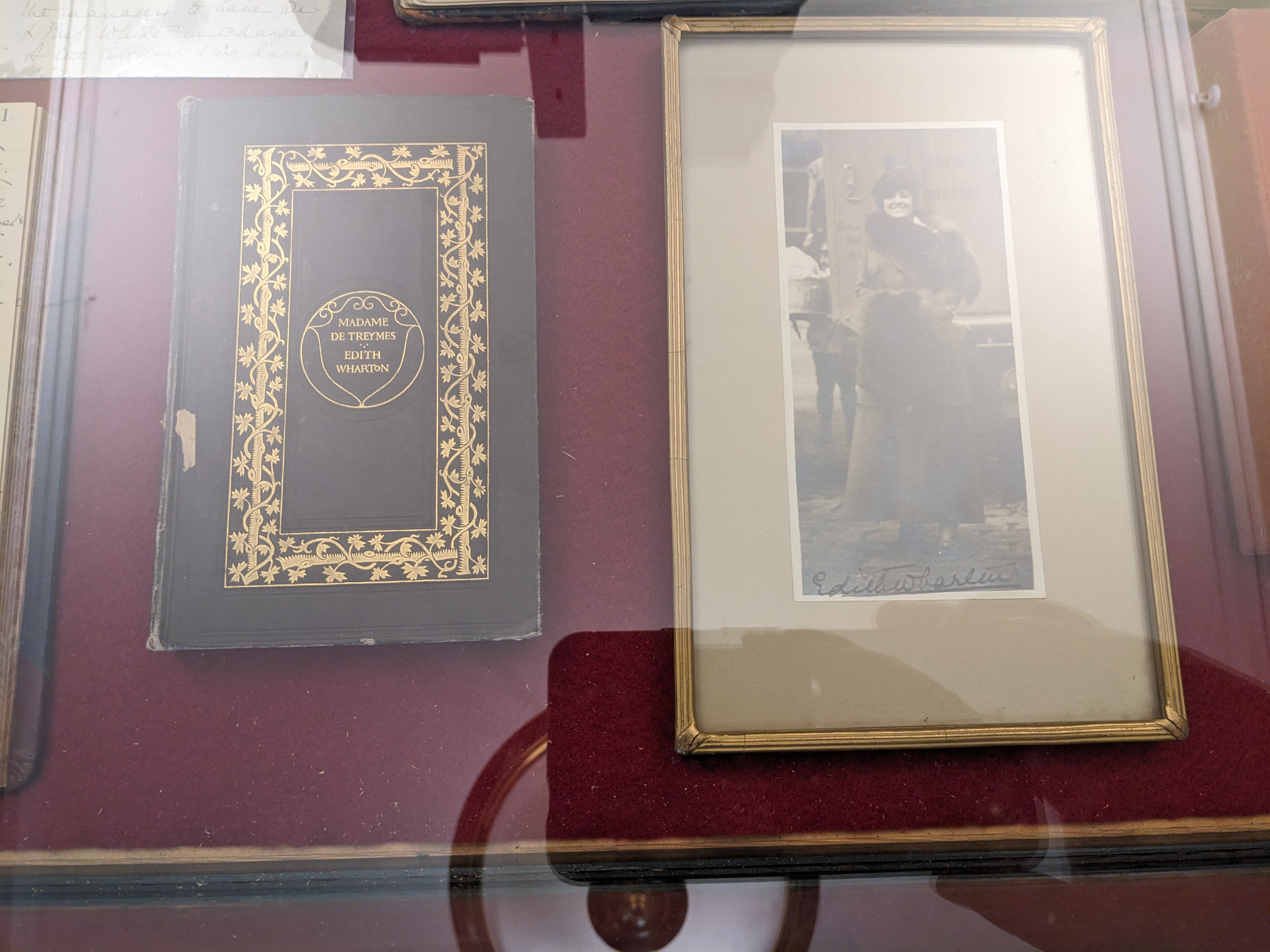
Enshrined within a glass display class, in one of the reading rooms, one finally encounters the fascinating memorabilia related to Wharton and her relationship with the Lenox Library. One open tome reveals the Minutes of the Board of Managers for the Lenox Library Association, dated July 13, 1906; it is within this record that Edith Wharton (associate manager), and Mr. Grenville Winthrop, appoint a committee to have a new sign board made. Also on display are the Accession Records of the Lenox Library Association, 1905. Adjoining these records are also first-edition copies, gifted to the library, of Wharton’s The House of Mirth (1905), Madame de Treymes (1907), and The Buccaneers (1938).

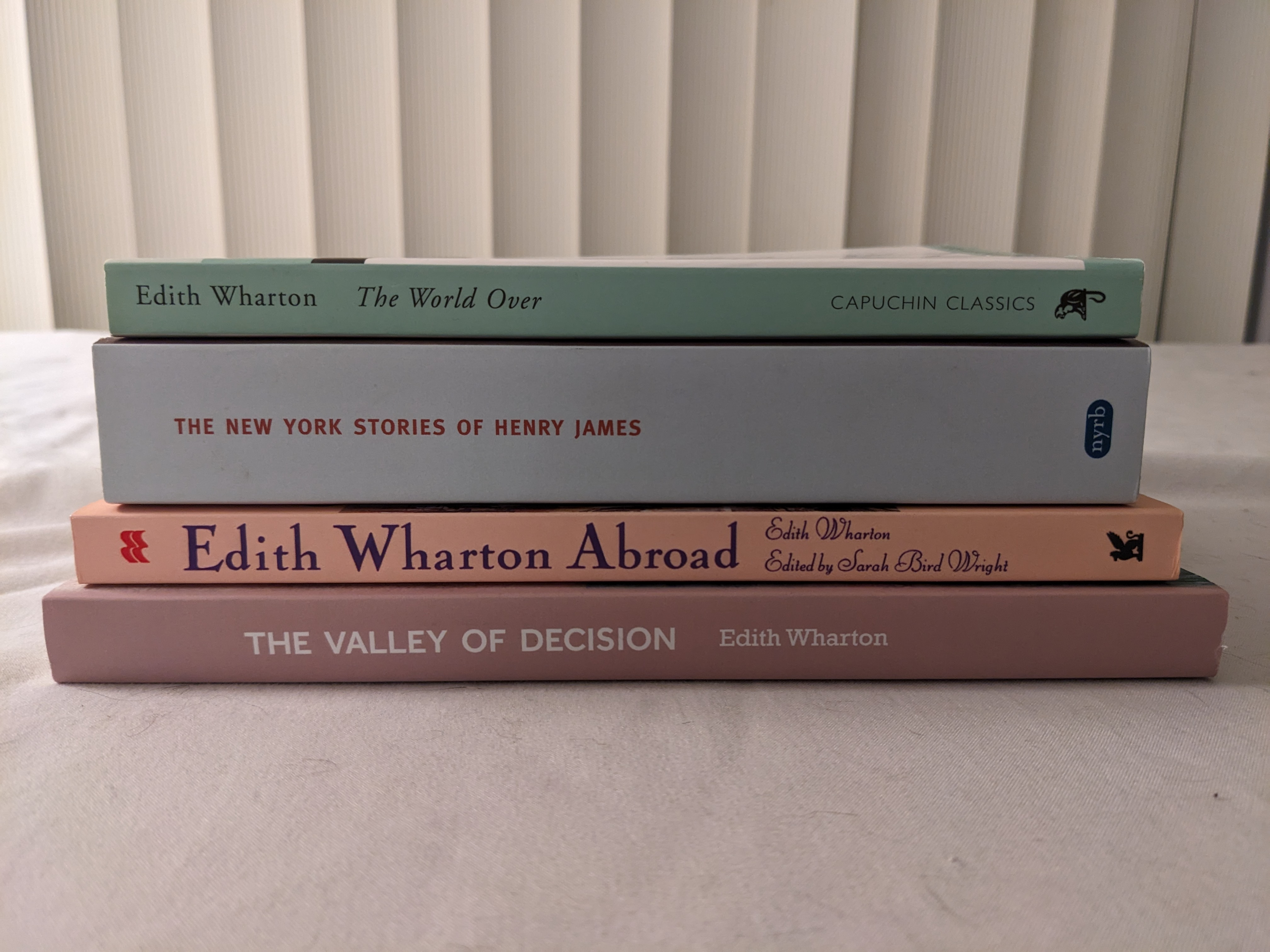
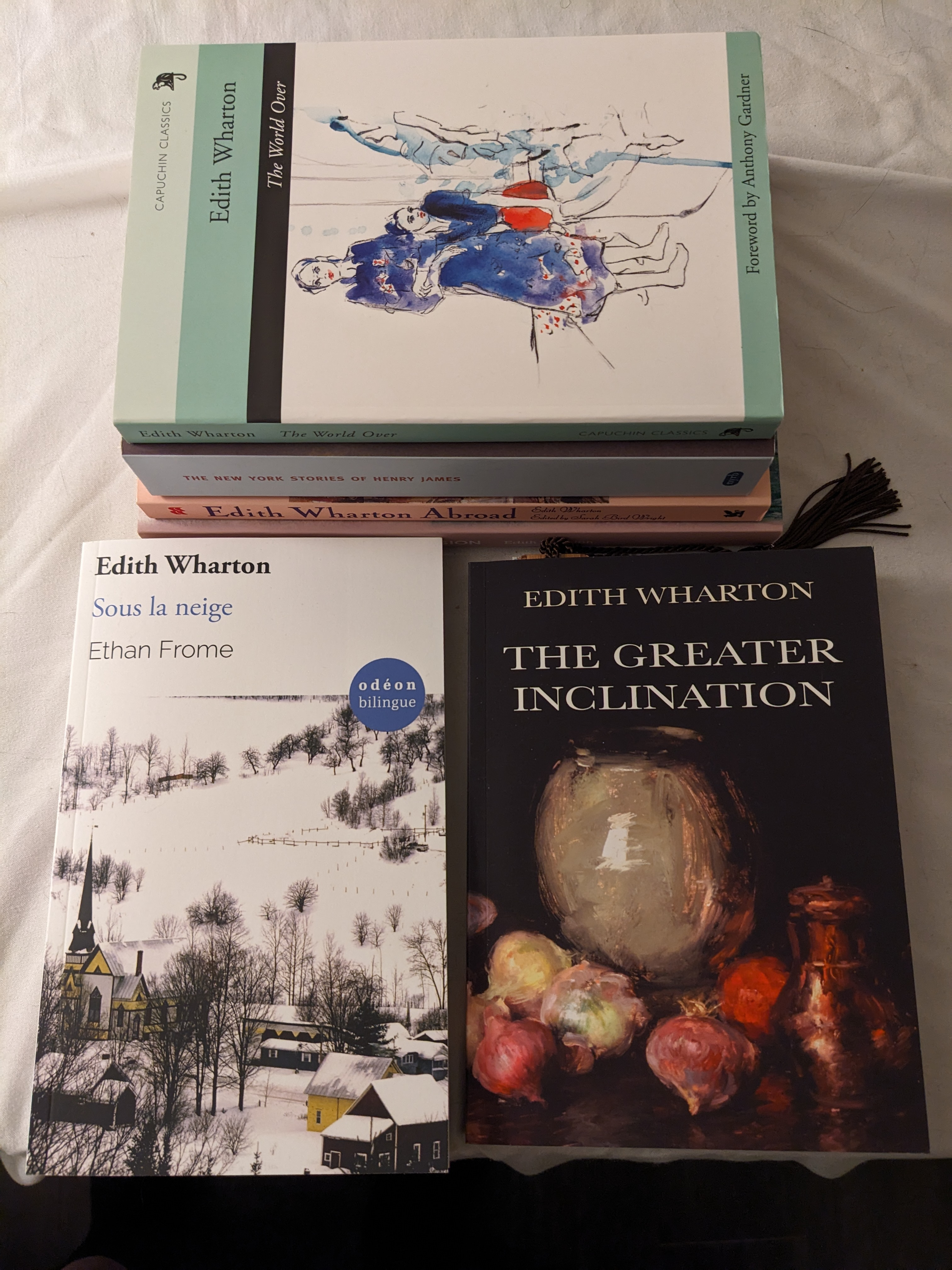
As this post comes to a close, I can’t help but share the wonderful editions of Wharton’s (and James’) works I was able to purchase at The Mount’s marvelous gift and bookshop. The titles are displayed accordingly. As a personal note, my purchase of Wharton’s The Valley of Decision officially completed my collection of Wharton’s novels, all of which I now own one copy or edition!! Please make it a point to visit this fabulous shop on your next visit to The Mount!!

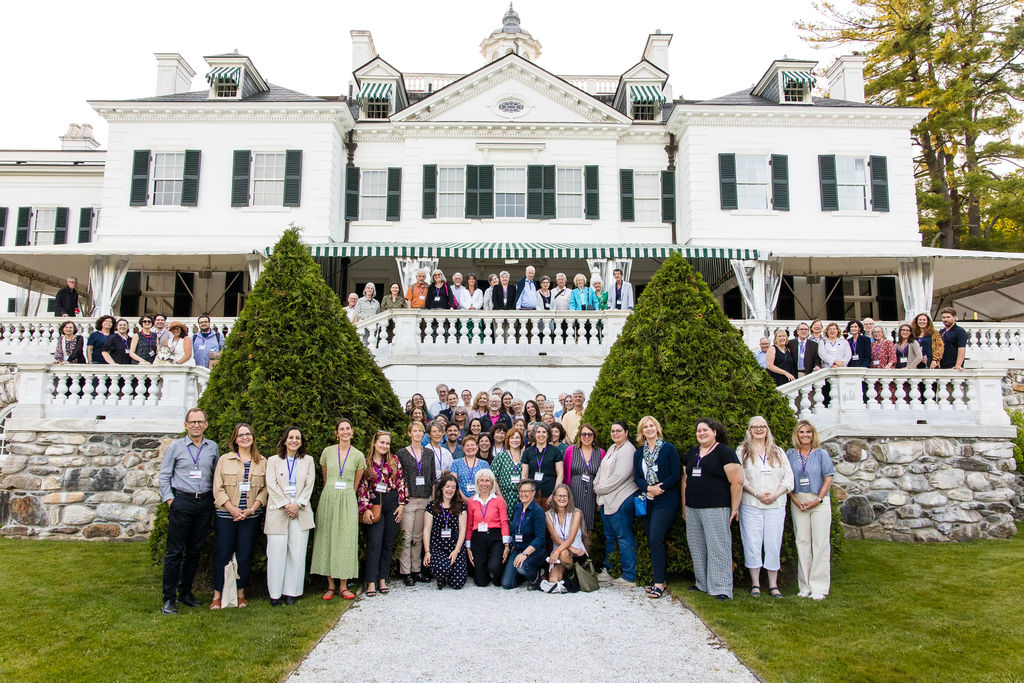
In final closing, please enjoy this group photo of the 2026 Edith Wharton Summit, professionally and artfully taken on Day 1; Photo: Eric Limon, courtesy of The Mount, Edith Wharton Cultural Center (Lenox, MA)

Thanks to everyone who has stopped by my blog for a look around, and a special thank you to Dr. Donna Campbell for sharing links to my posts on the Edith Wharton Society website. Please, by all means, consider subscribing to my blog, or commenting, and ask me anything further you’d like to know about this wonderful event. You can also email me at: jtamburello194@gmail.com. As always, please ask permission or give credit before reproducing any photos, and again, thank you for visiting!!

2026 Edith Wharton Summit: Day 2

So pleased to return here and share Day 2 of the Edith Wharton Summit, albeit in a much shorter format than my previous post. The outdoors dominated this time around, offering stunning views of the house and grounds – here we go!!

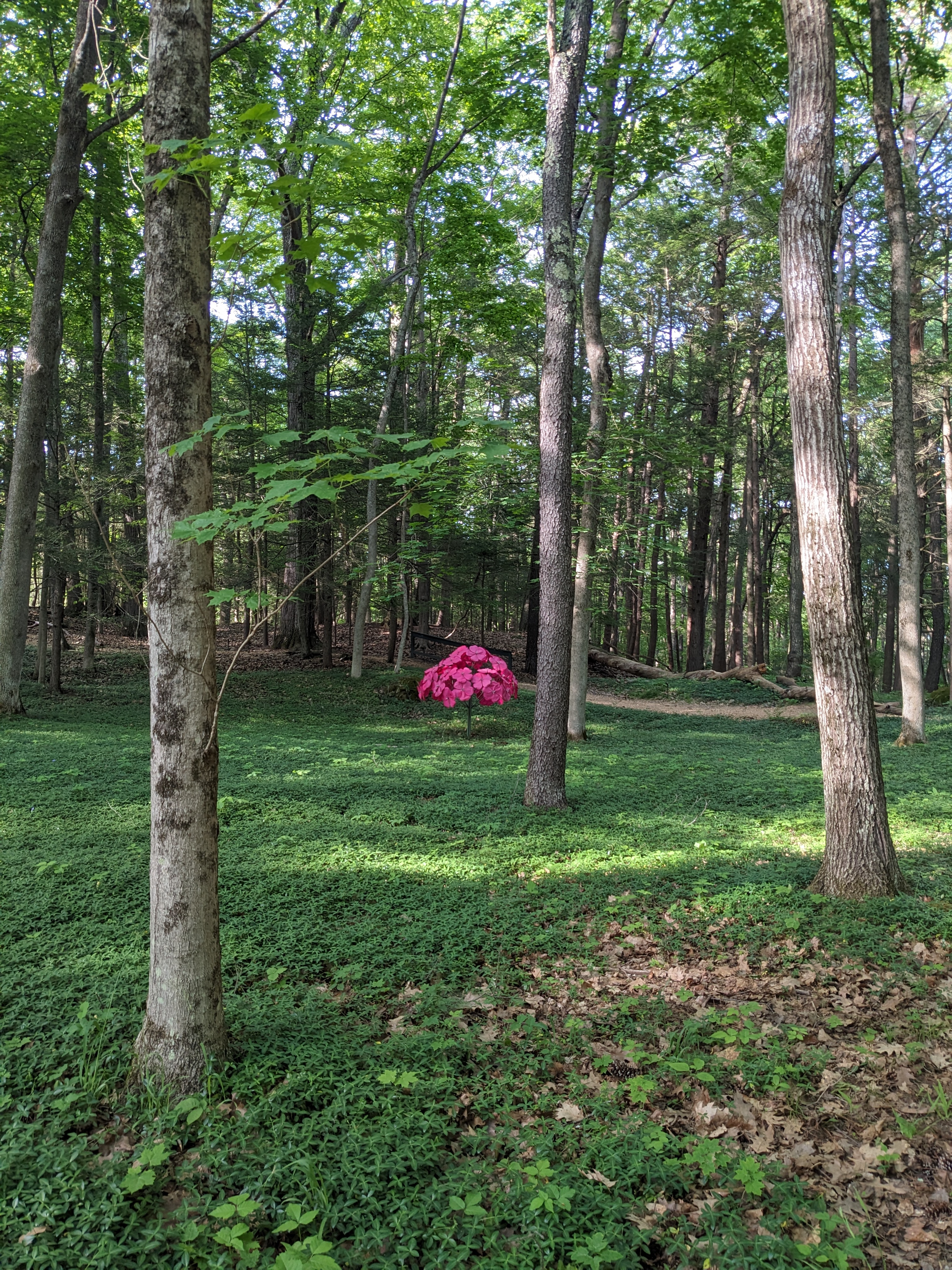
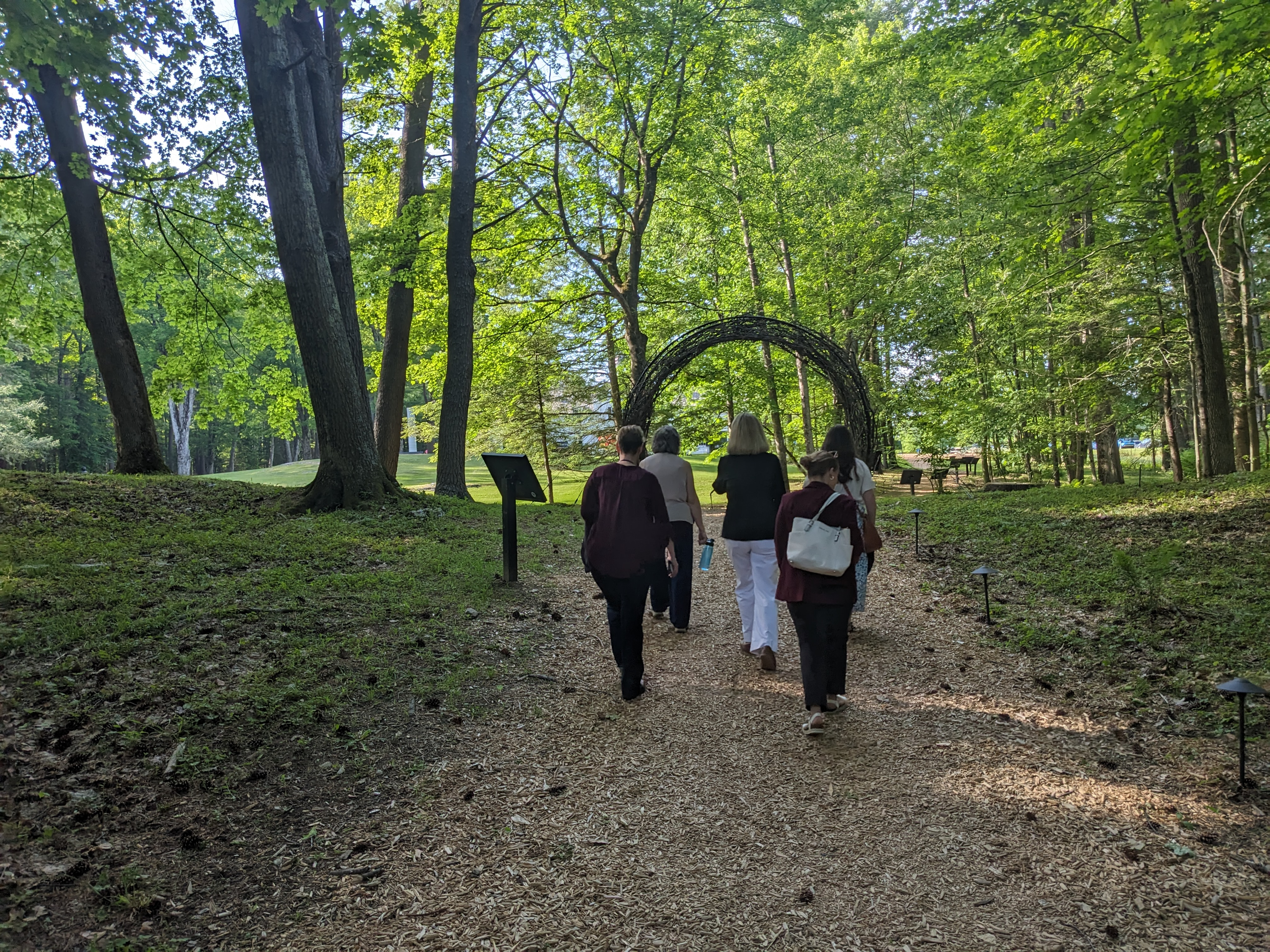
As on the first Day of the Summit, and upon completion of the scheduled panels, a number of “breakout sessions” took guests on guided tours – either of Wharton’s library, as seen previously; her gardens; the upstairs exhibitions; or, as seen below, a guided walk through the heart of the property, known as, “In the Footsteps of Edith Trail Walk.” Our guide kindly gathered us together as we entered the wooded pathway just before the front entrance to the mansion. As we gradually became immersed in the heart of the forest, our guide encouraged us to breathe deeply and meditate, to connect and become one with our surroundings. This was certainly a respite much appreciated from the hustle and bustle of presentations!!

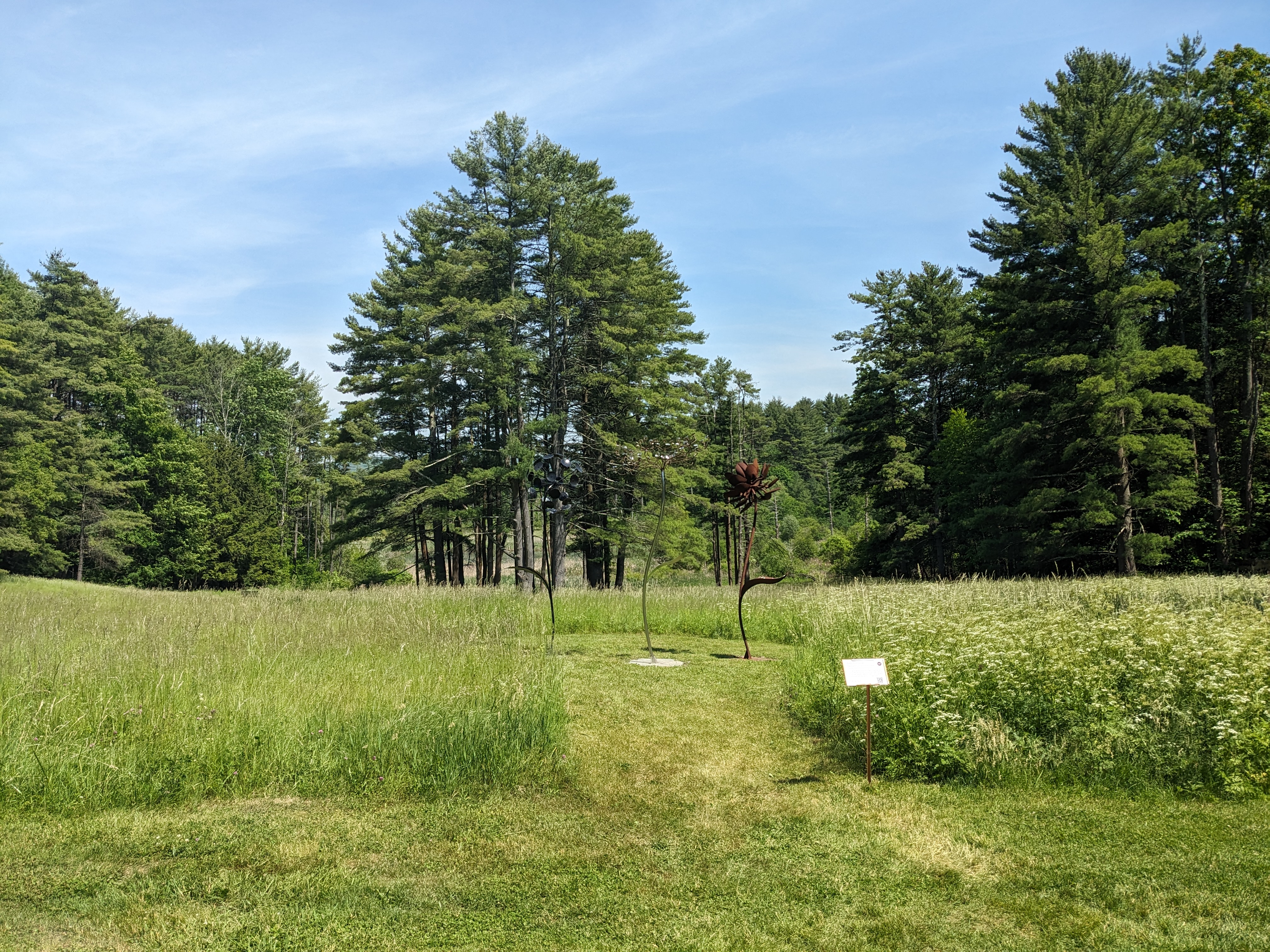
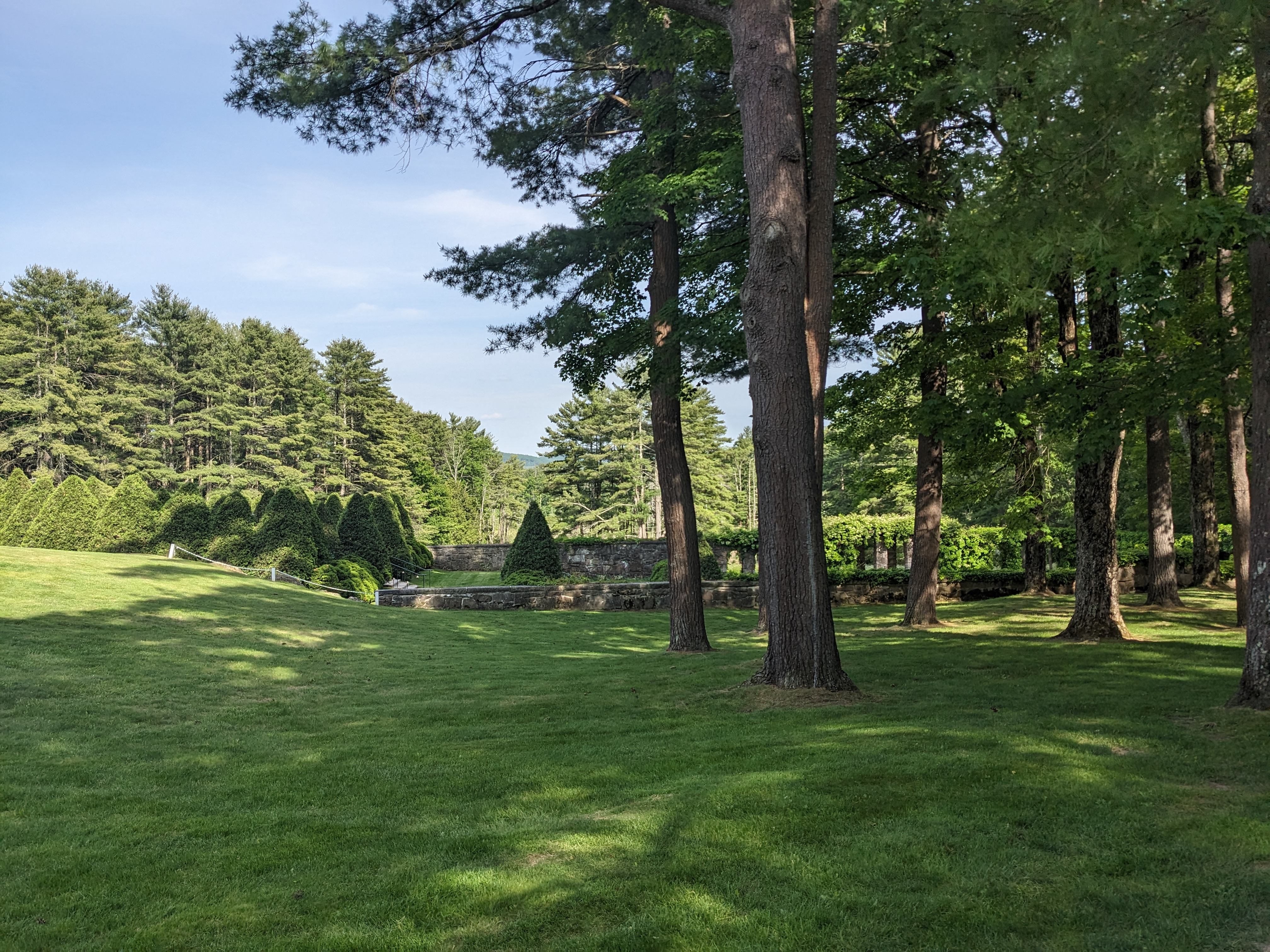
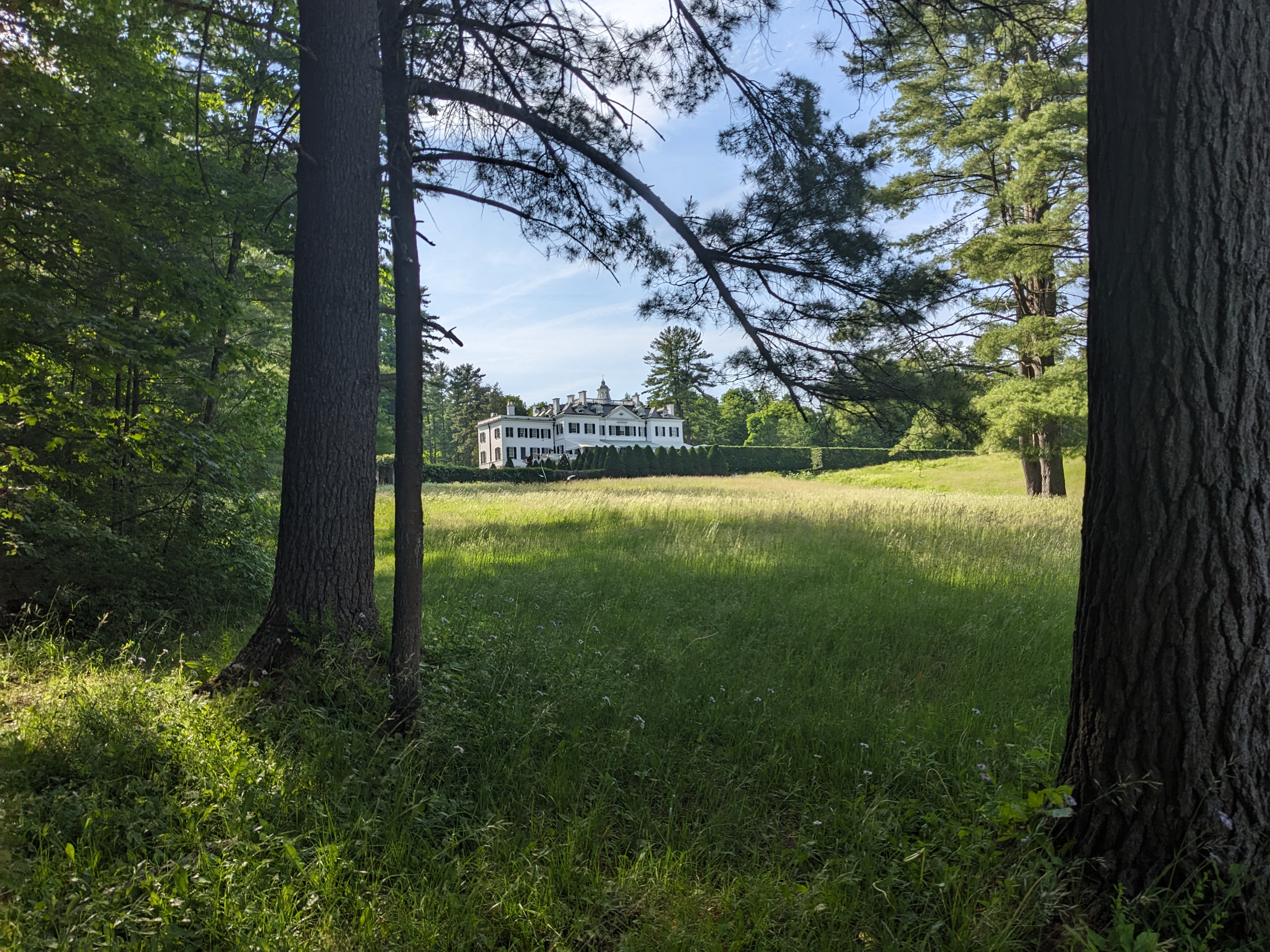
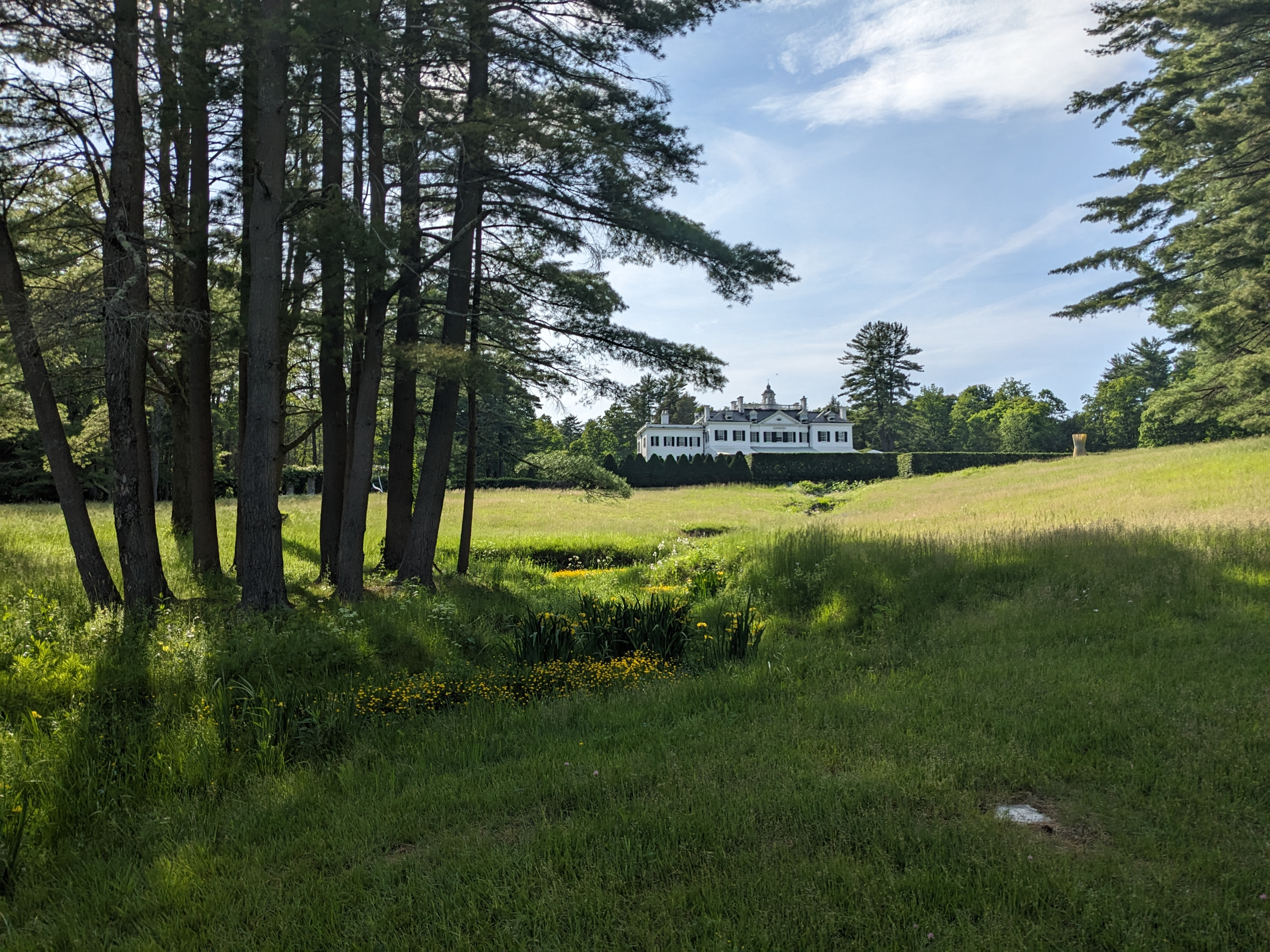
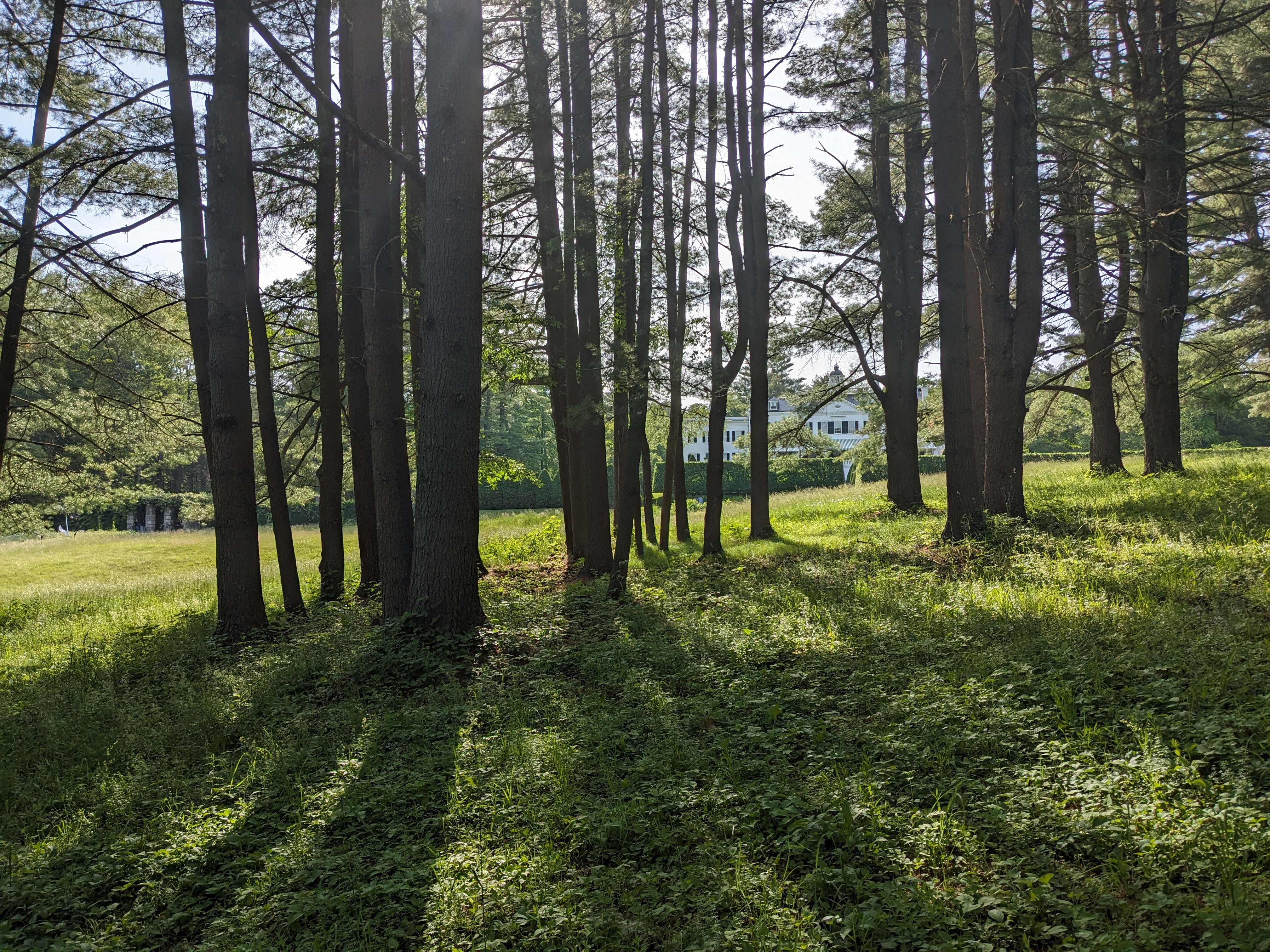
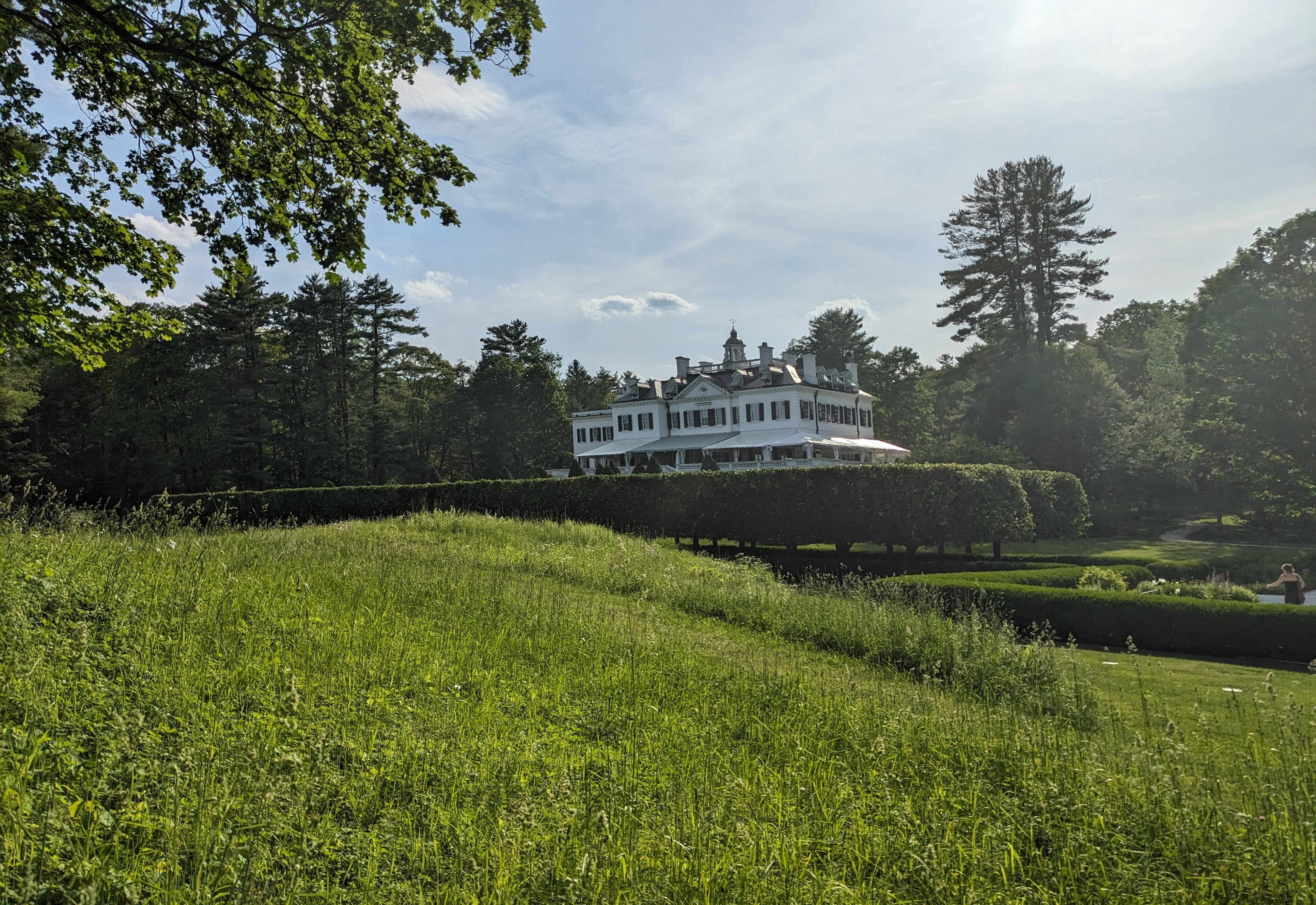
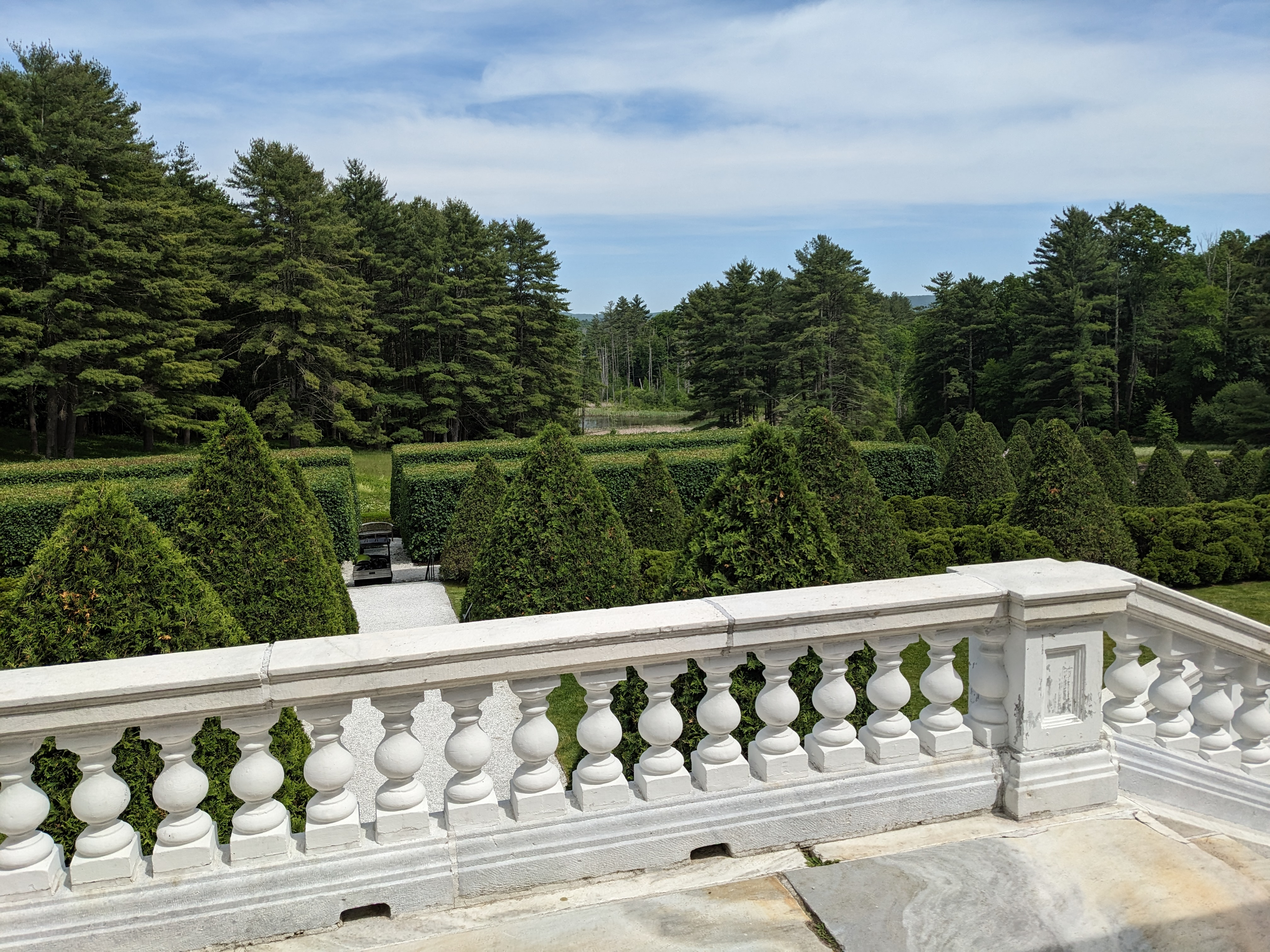
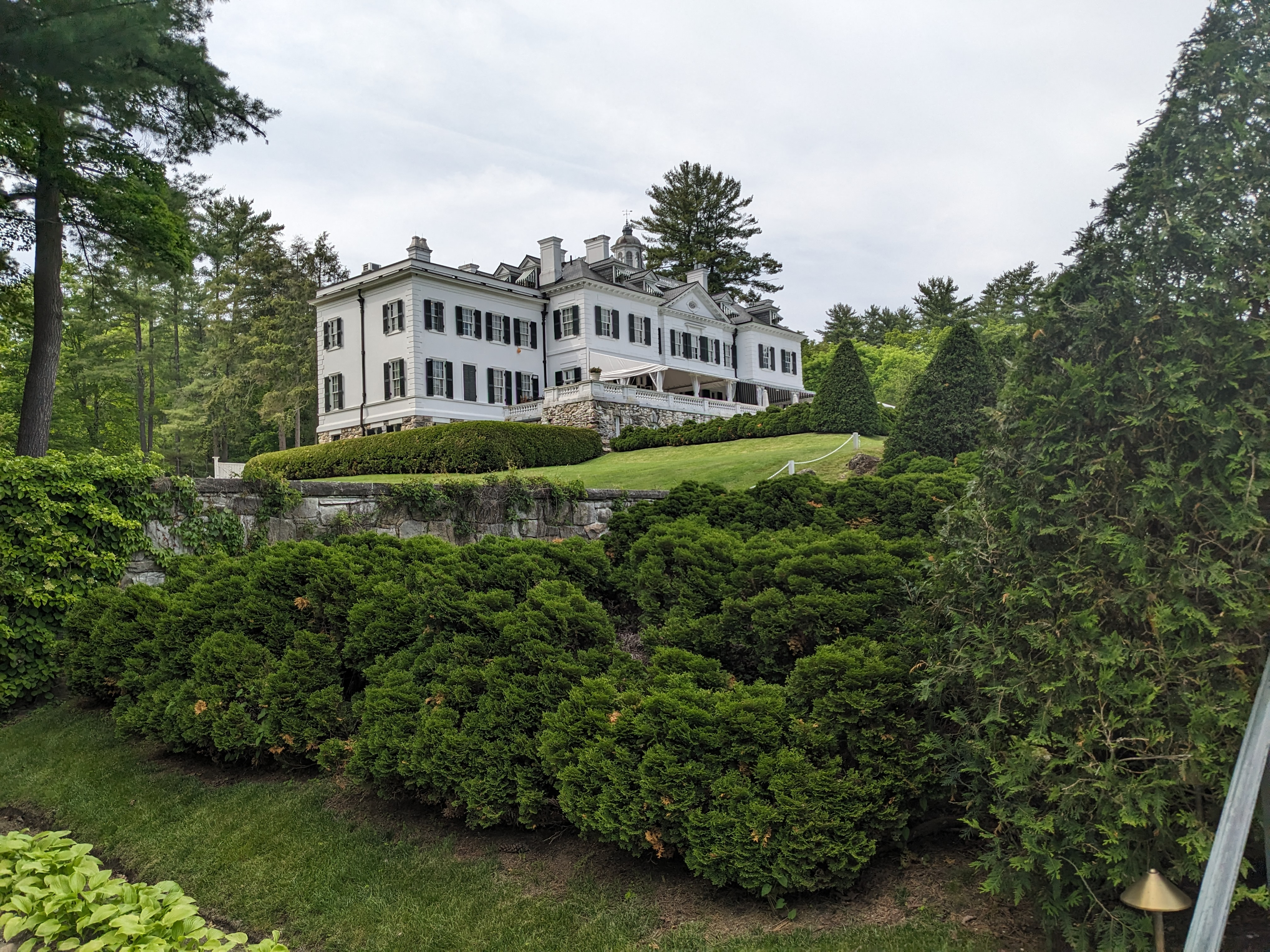
As we crossed a small stream and footbridge, we veered around the edge of where Wharton’s Italian garden is walled in, and emerged into the bright glade that defines the main view from the terrace of the mansion. Surrounding us were high grasses and wildflowers, followed by another stepping bridge that emptied us into the heart of this majestic open space. From here, we had a spectacular view of the mansion, in all its grandeur and relief, set against the setting sun, the rays of which glistened through the trees, casting shadows of their trunks stretching outward to reach us. Turning towards the other direction, our guide pointed out Beaver Pond, a small body of water beyond the edge of the glade, and the pines that obscure the once dominant view of Laurel Lake. Though Laurel Lake can no longer be seen from this vantage point, there are other trails that join that particular spot if the hiker is so inclined to explore further.

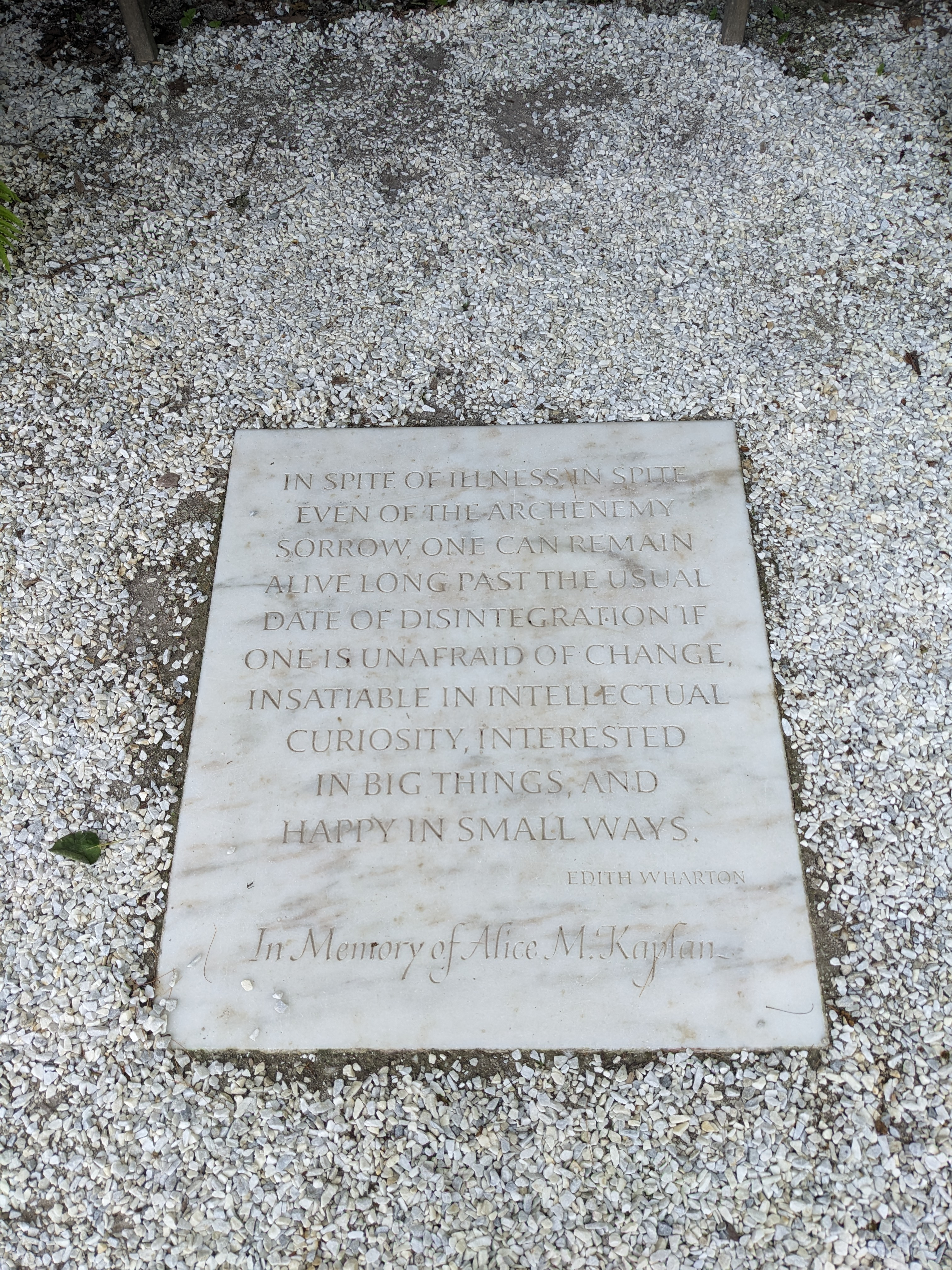
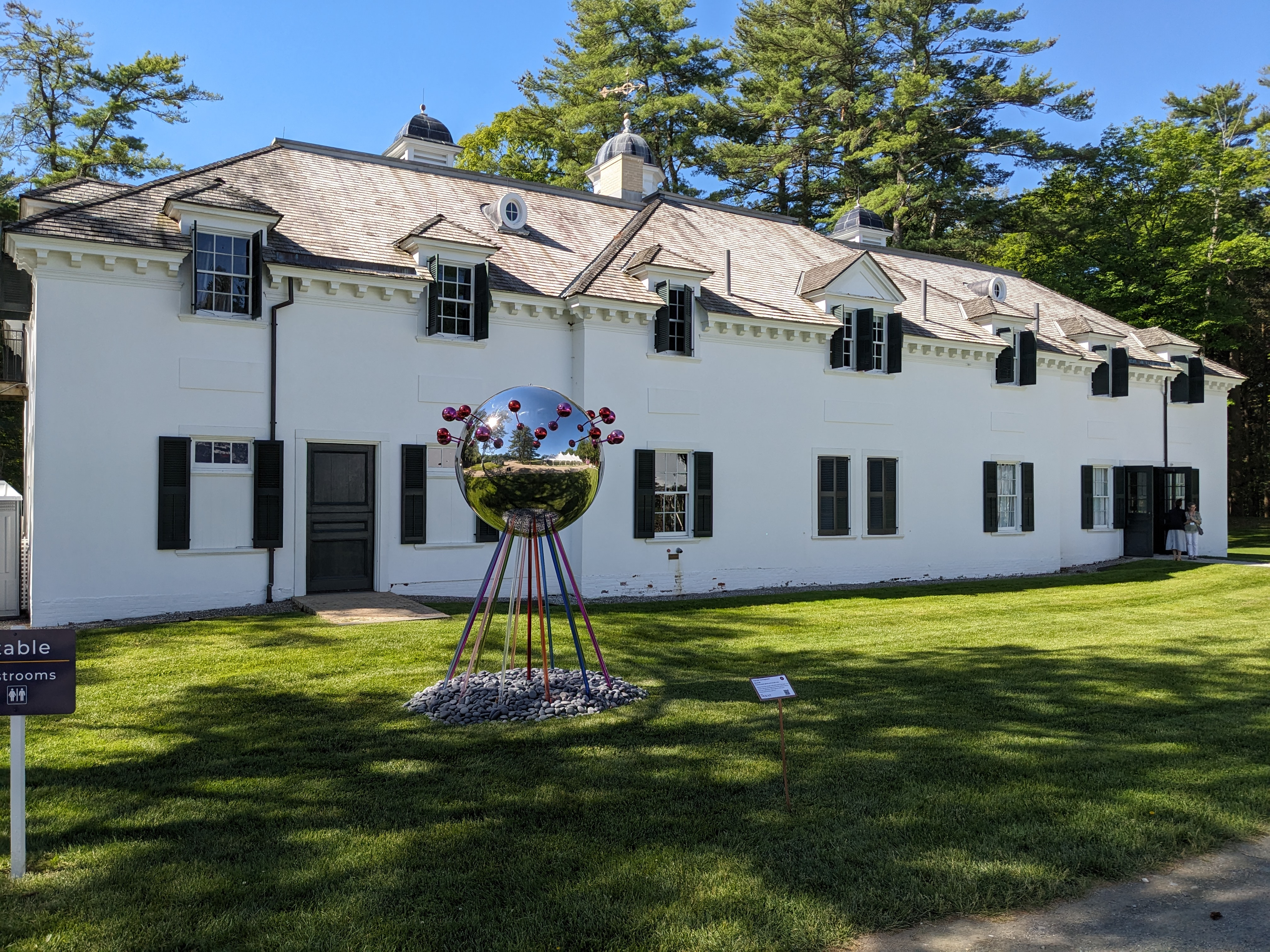
Upon leaving this peaceful dale, we re-entered the woods, this time on the opposite end and moving northward. Here, the many lindens, hemlocks, elms, and white pines, as seen in the previous wood, towered over us and invited us further. As we neared the edge of the wood, back towards the stable house, our guide ended the tour with the following Edith Wharton quote, which can also be seen engraved in stone at the beginning of the path: “In spite of illness, in spite even of the archenemy sorrow, one can remain alive long past the usual date of disintegration if one is unafraid of change, insatiable in intellectual curiosity, interested in big things, and happy in small ways.”

Stay tuned for my third and final post next week, to be published on June 29th, with a small peek into the town of Lenox, Massachusetts, home of The Mount!! As previously stated, please ask permission or give credit before reproducing any photos, and as always, thank you for visiting!!

2026 Edith Wharton Summit: Day 1

So, to deviate from scholarly speculations to real-world documentation, I present the following post (in three parts, over three weeks) dedicated to my visit to Edith Wharton’s estate in the Berkshires, called The Mount, late in the first week of June of this year – here we go!!

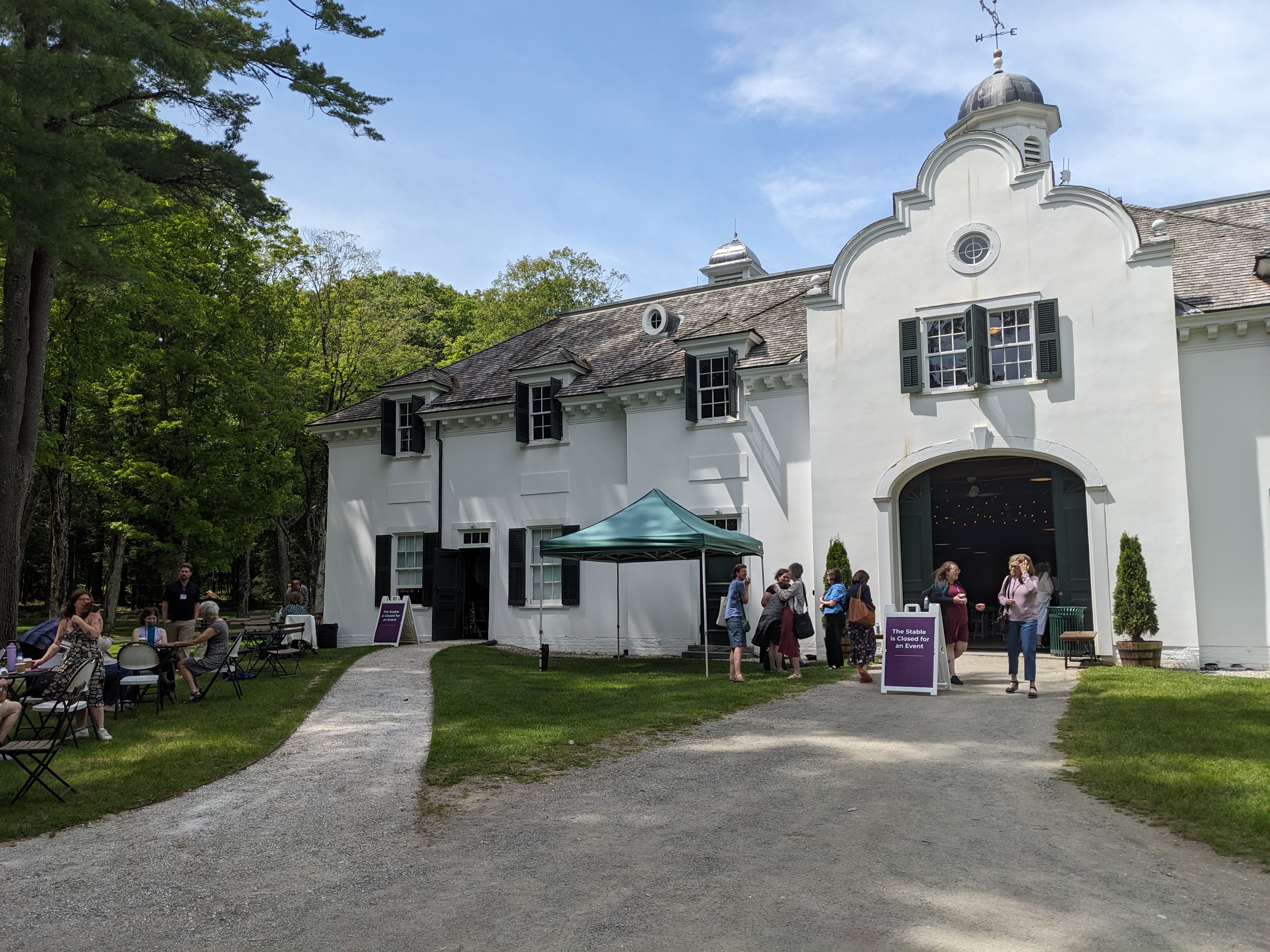
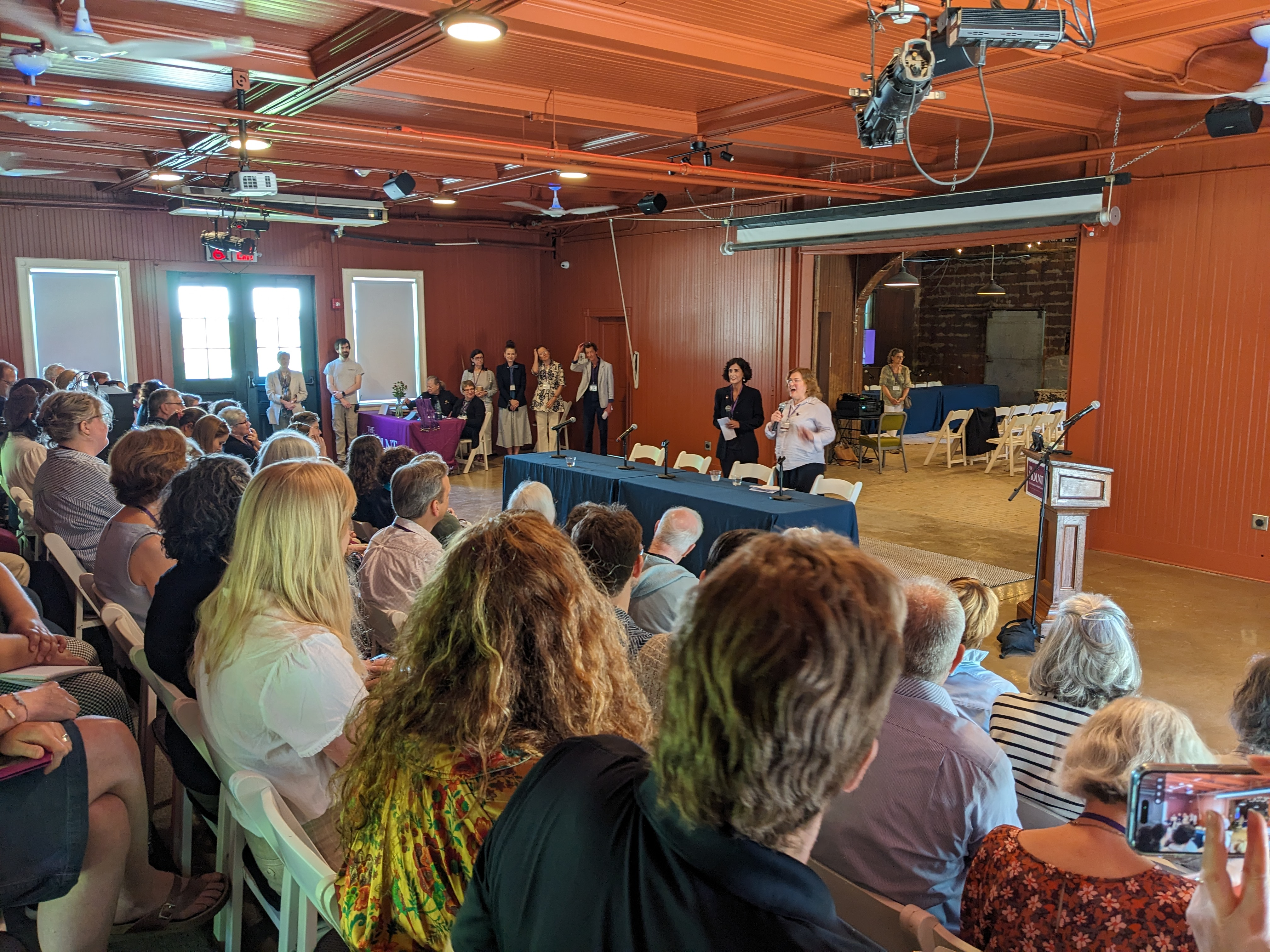
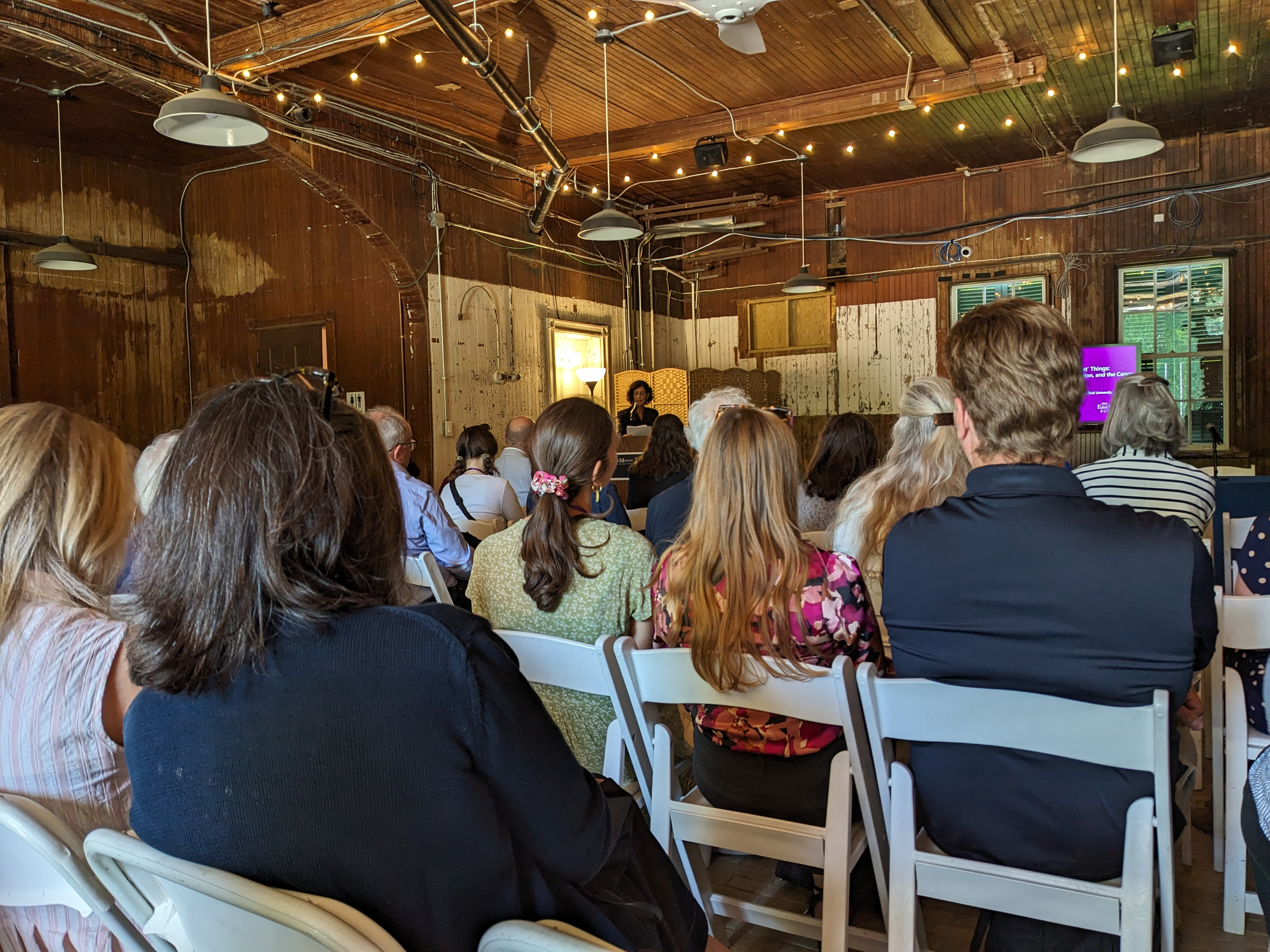
To begin, the many panels and roundtables were hosted in the beautifully restored stable house: some were held in the stable auditorium, while the others were held, simultaneously, in the “carriage wash,” where Edith Wharton’s horses and carriages were routinely cleaned. This imposing building served as home base for the majority of the event’s programming, as well as for breaks for lunch and refreshments. Some titles of the panels I myself personally attended include: “Architecture and Archaeology;” “Natural and Built Environments;” “Mapping Time and Space;” “The Novels: New Approaches;” and “Adaptations.” These scholarly, masterful panels reflected new perspectives on Wharton’s work, most of which are meant to be published in a special double issue of The Edith Wharton Review, in the fall (though, don’t quote me on this one). Each presenter spoke with poise and confidence, graciously taking questions at the end of each panel.

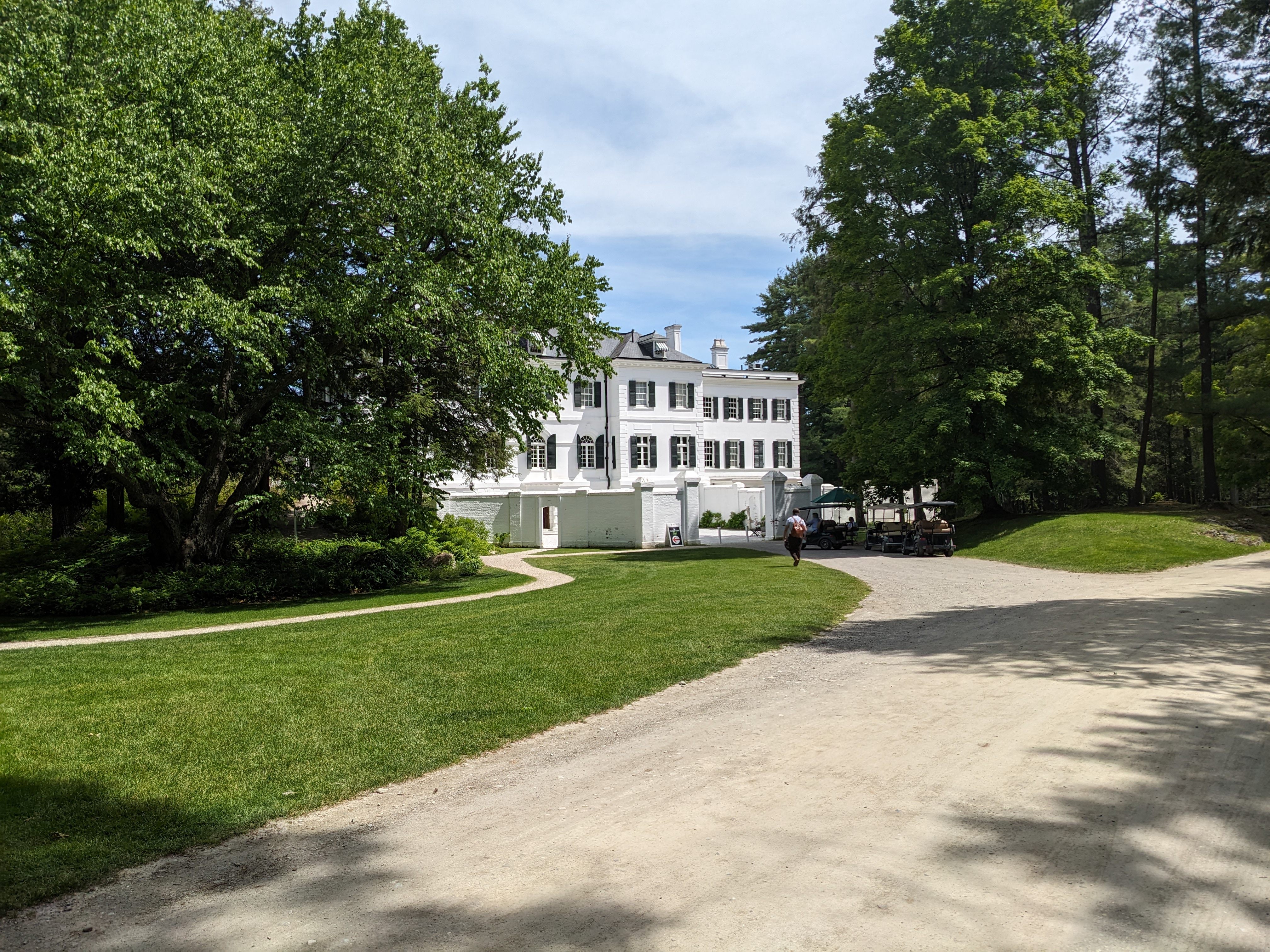
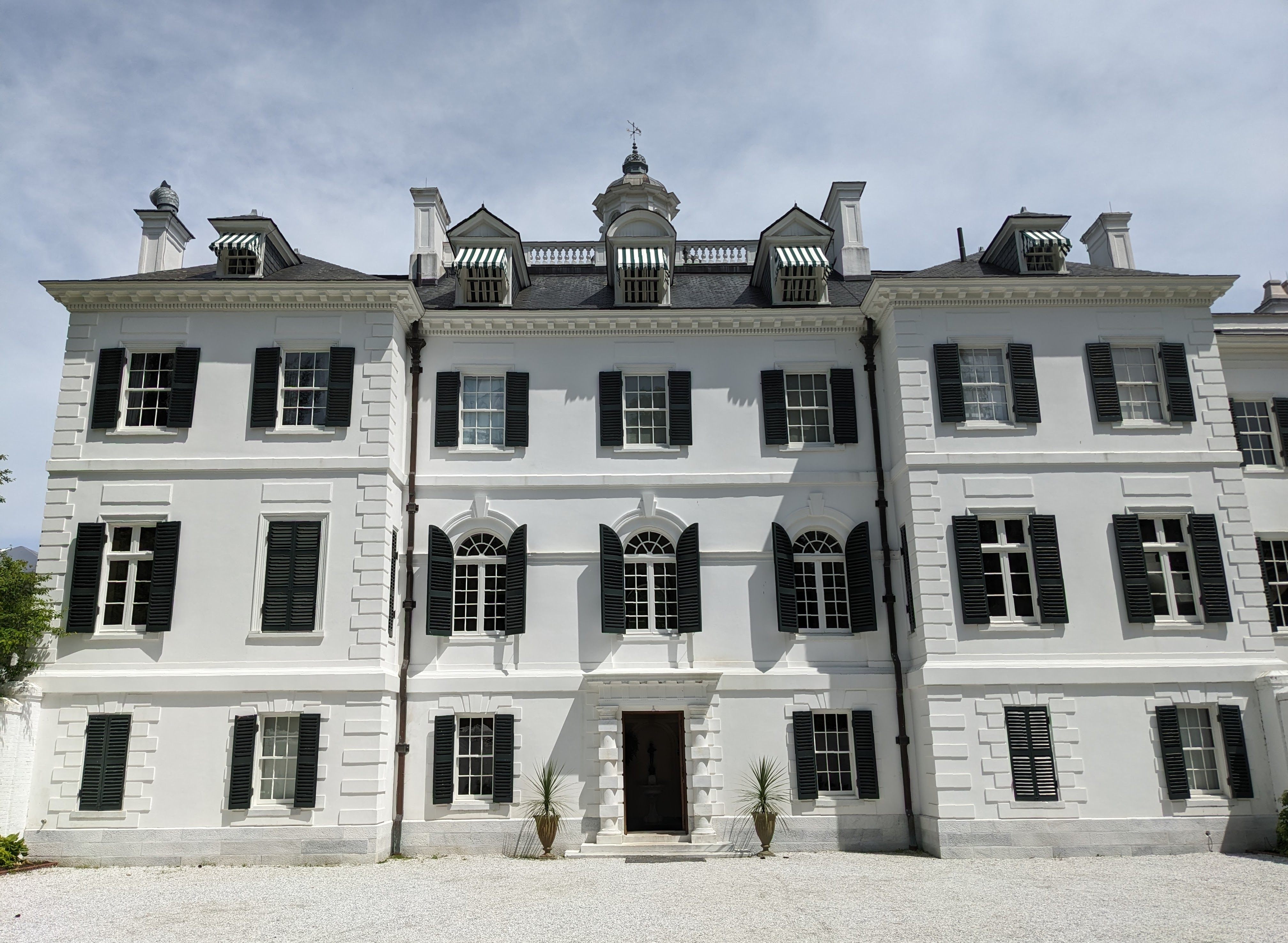
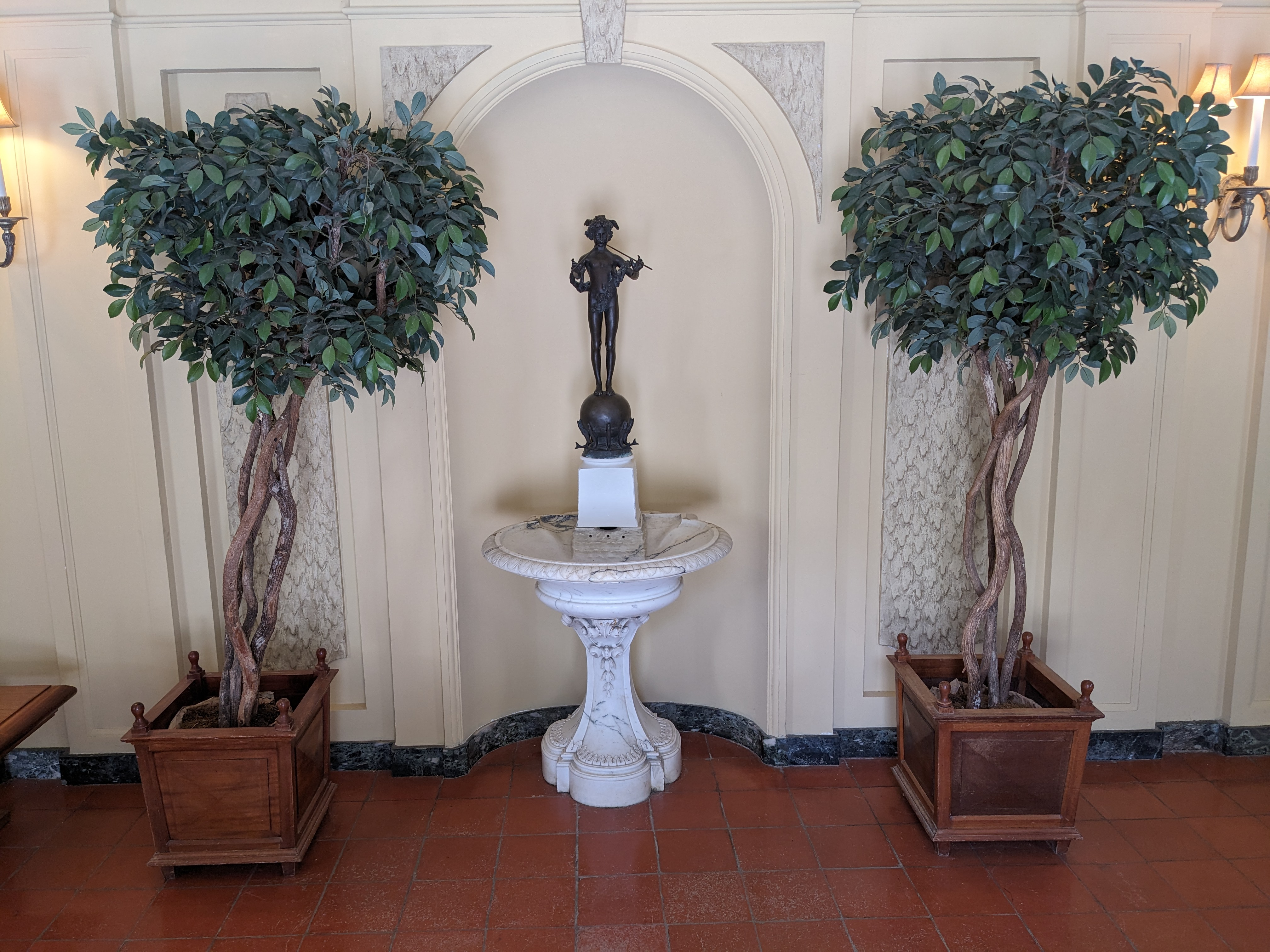
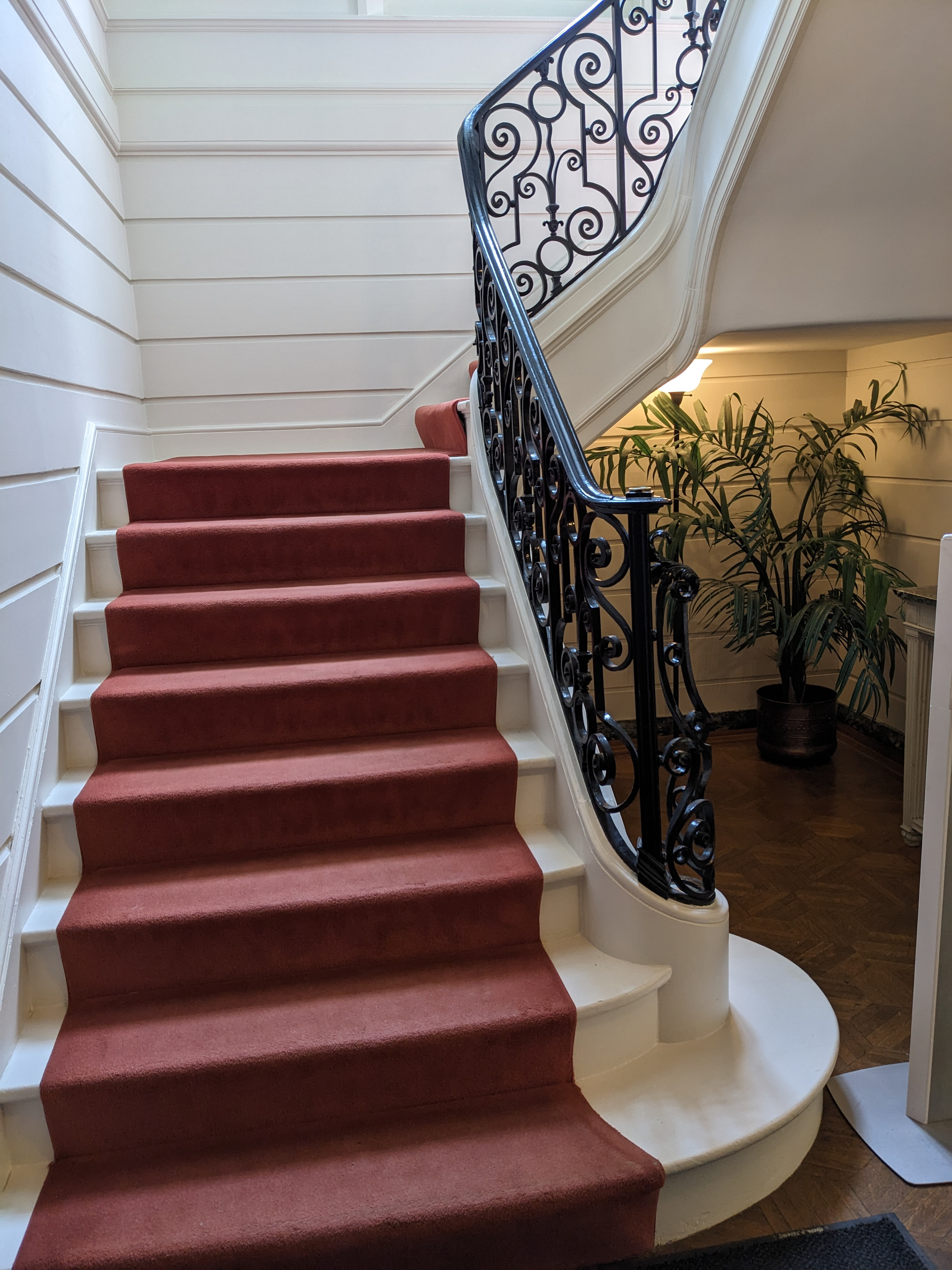
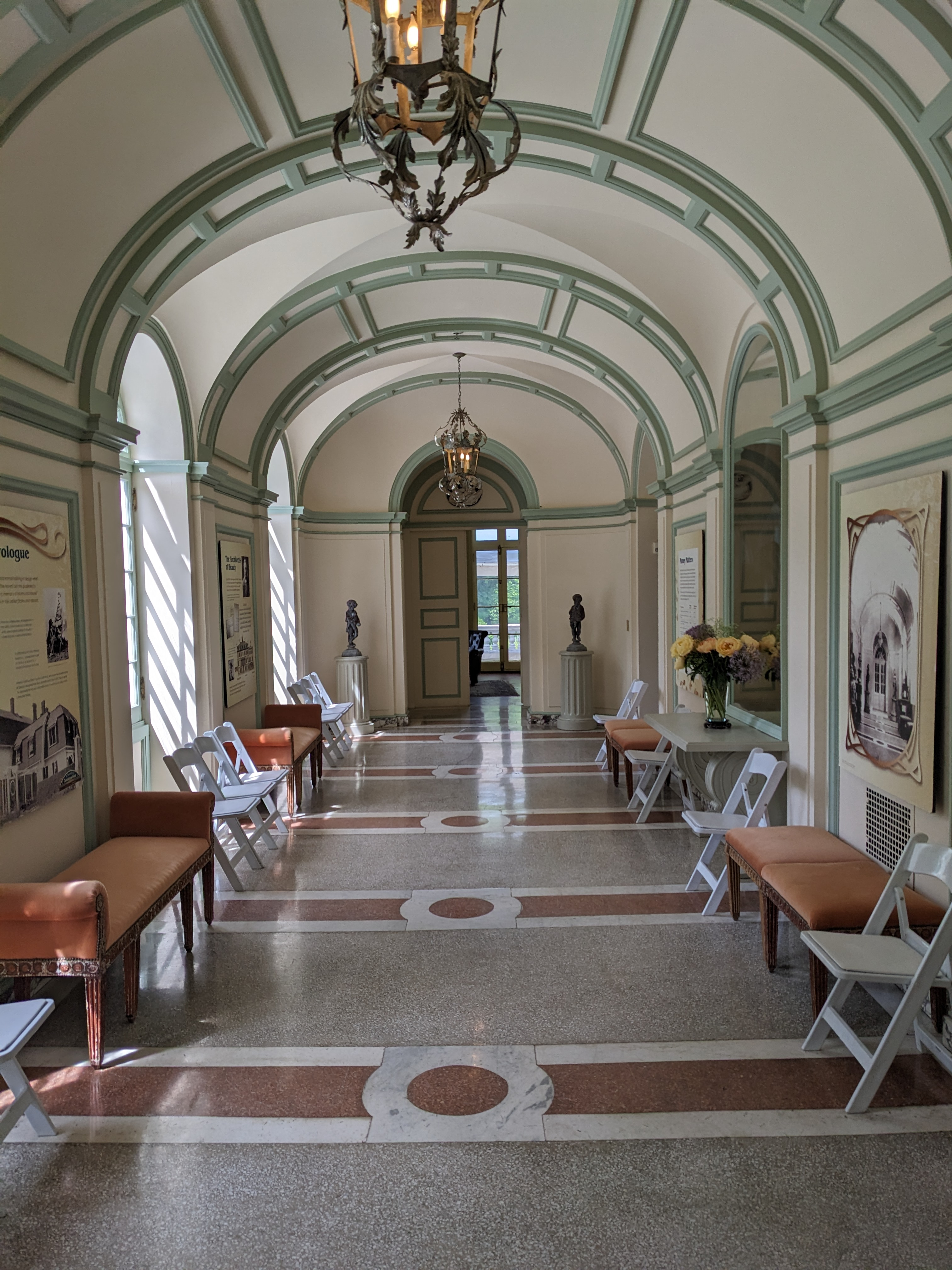
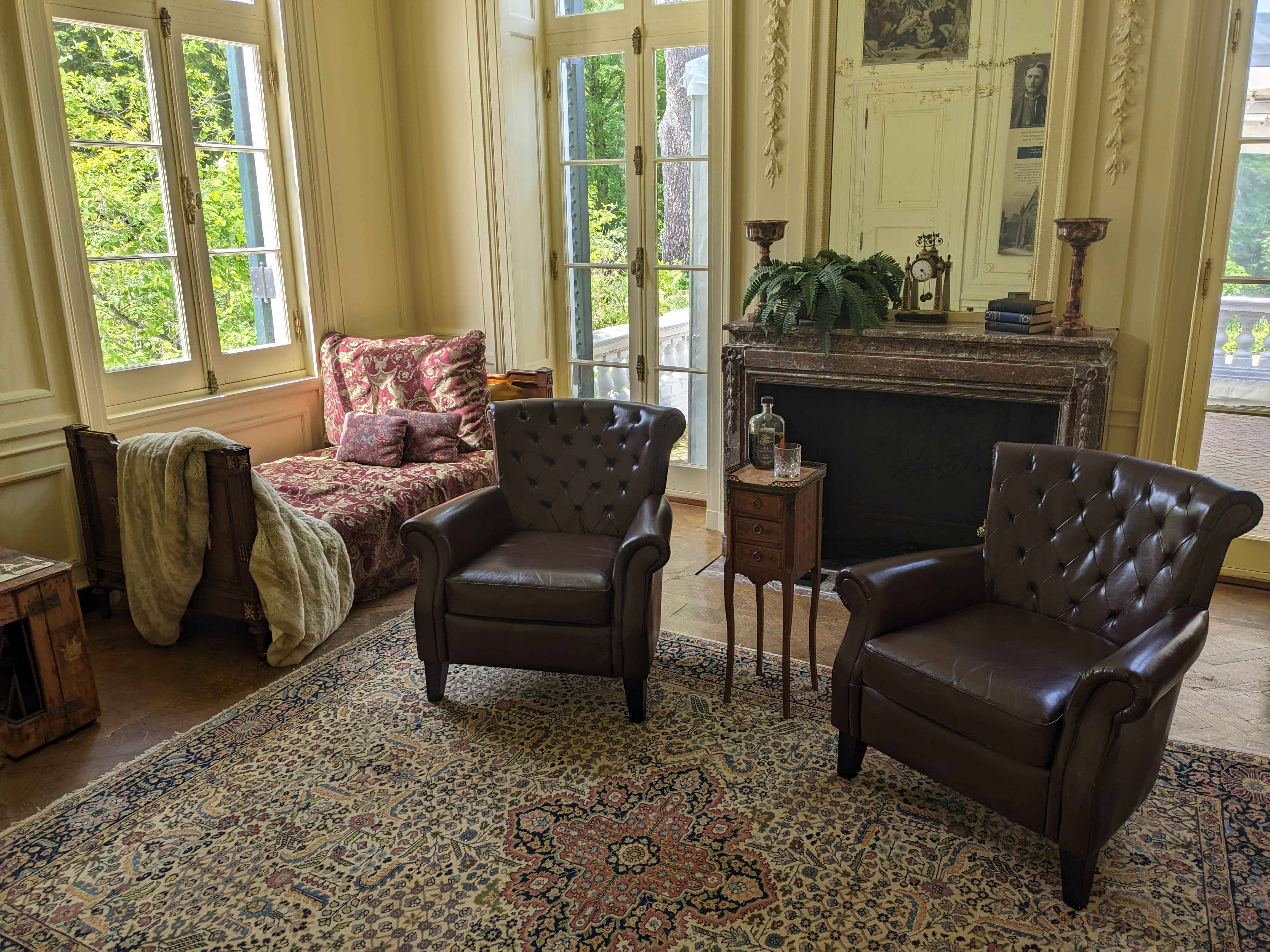
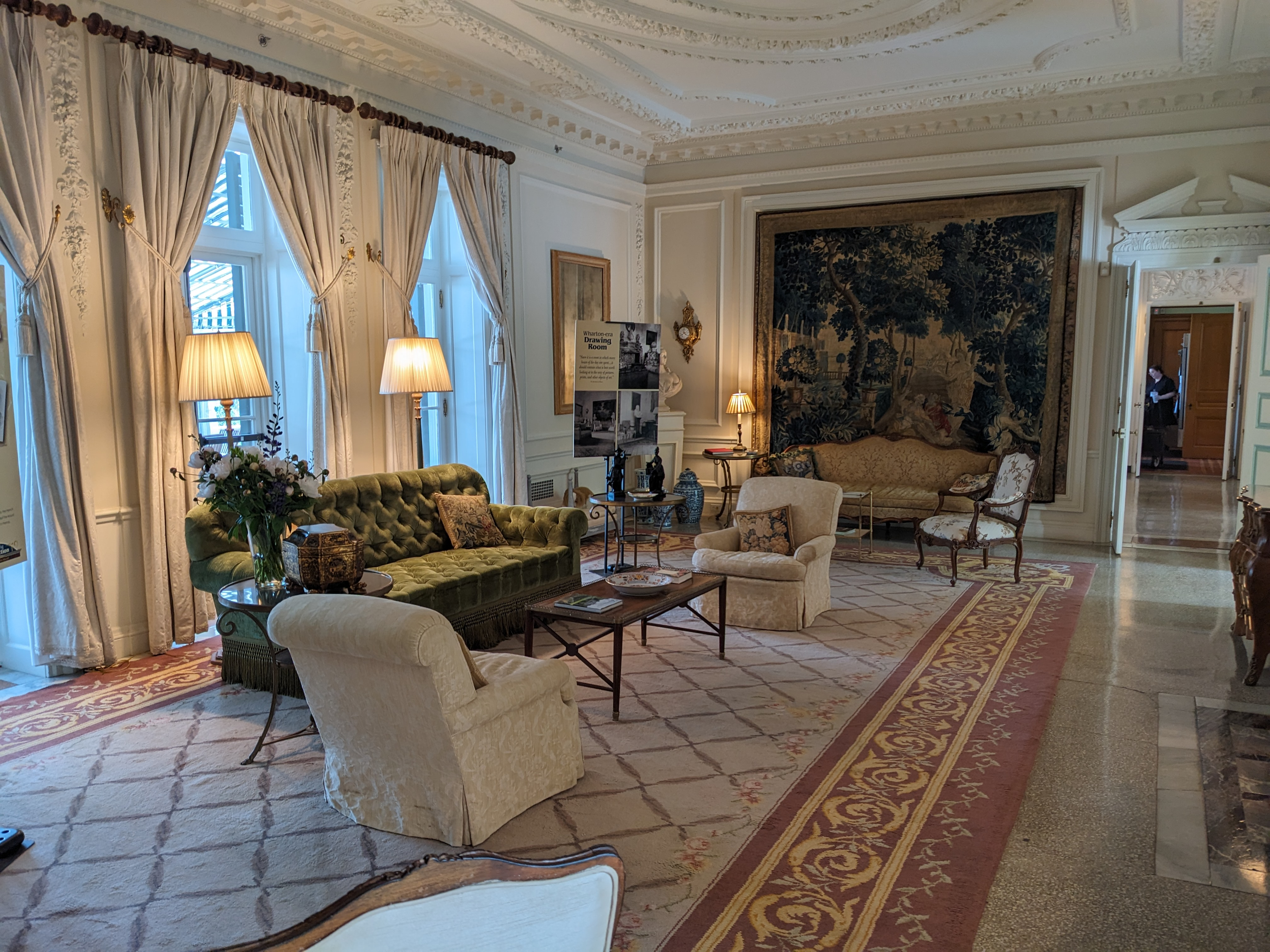
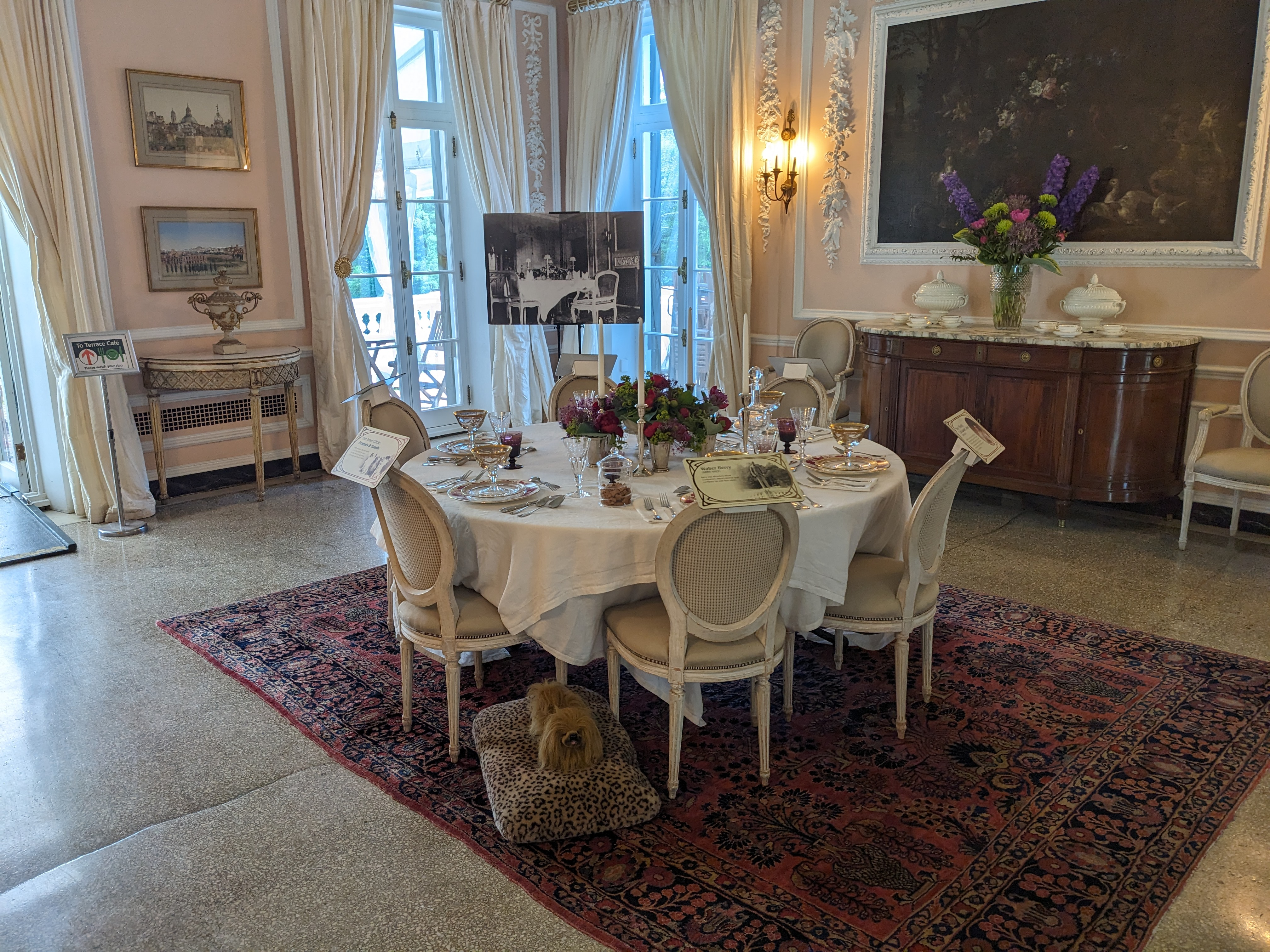
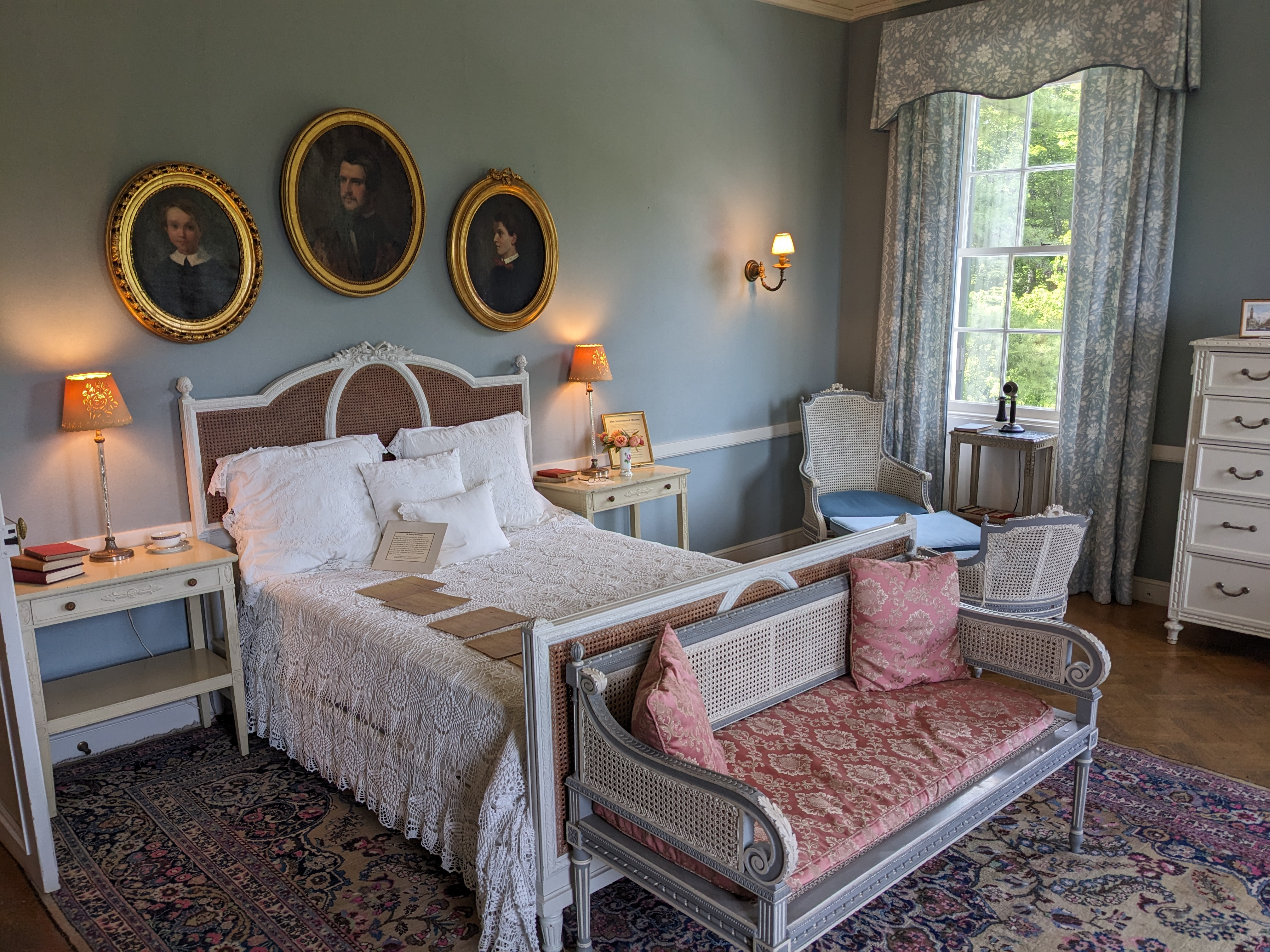
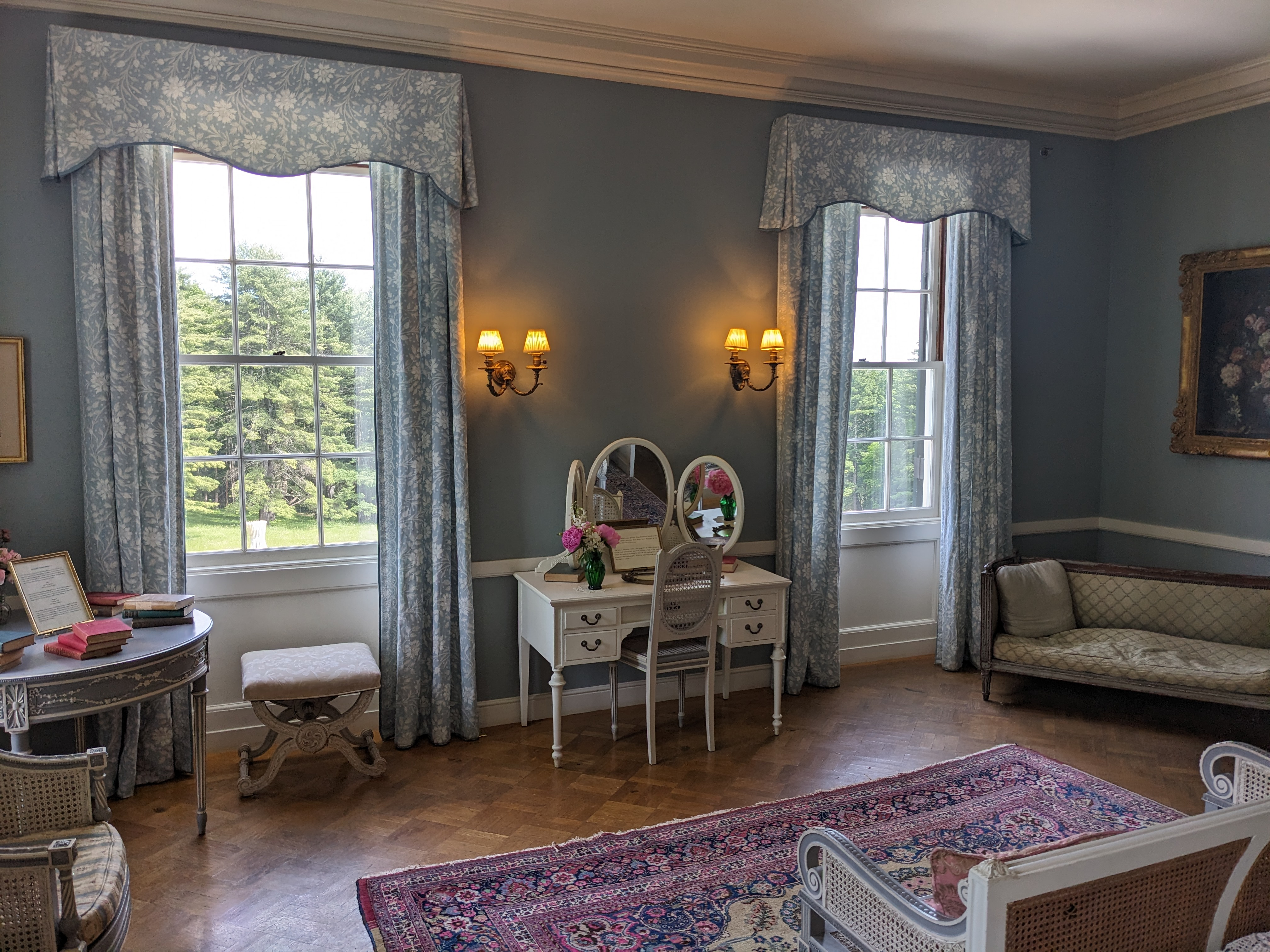
Following the first two panels/roundtables of the day, I decided to go for a reflective stroll through the grounds. It had been seventeen years since my first, and last, visit to The Mount; but how I remembered the joy of seeing Wharton’s mansion just around the wooded bend, connecting participants between mansion and stable house. Upon entering, one is greeted with an elegant entrance hall, followed by servants’ hallways, a kitchen, and a tastefully appointed gift and bookshop, full of Wharton- and literary-themed gifts, and many published works from her oeuvre. Taking the main stairs, one is greeted by the long, bright gallery, with mirrors, plush seating, and period statuary. Immediately ahead is Teddy Wharton’s study, follow by Edith’s library (more on that in a bit), the drawing room, and dining room, which spills out onto the open-air terrace. The second level includes Wharton’s bedroom, where she wrote much of her work in bed, including The House of Mirth and Ethan Frome, and other various rooms filled with exhibits about her life and works.

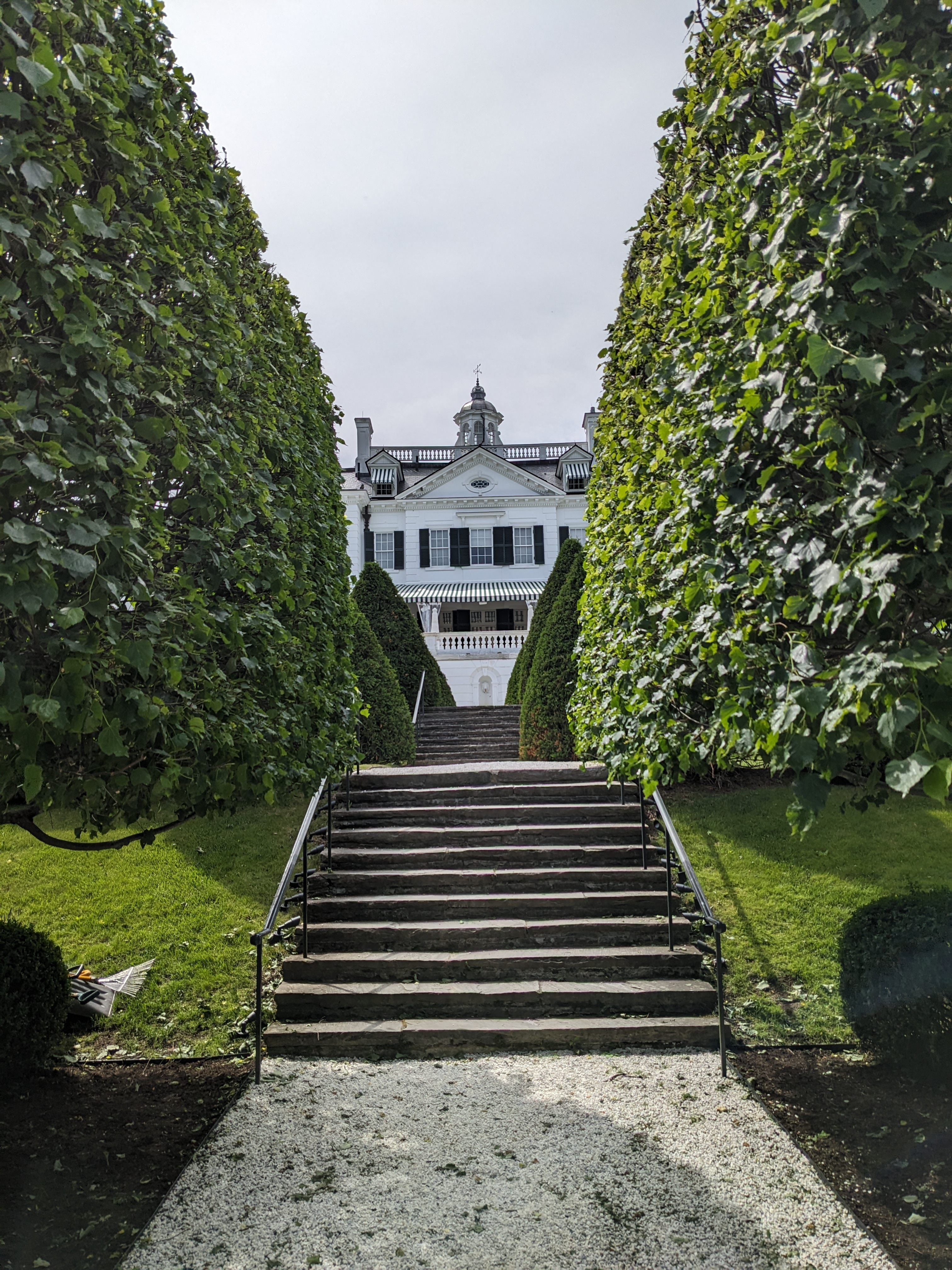
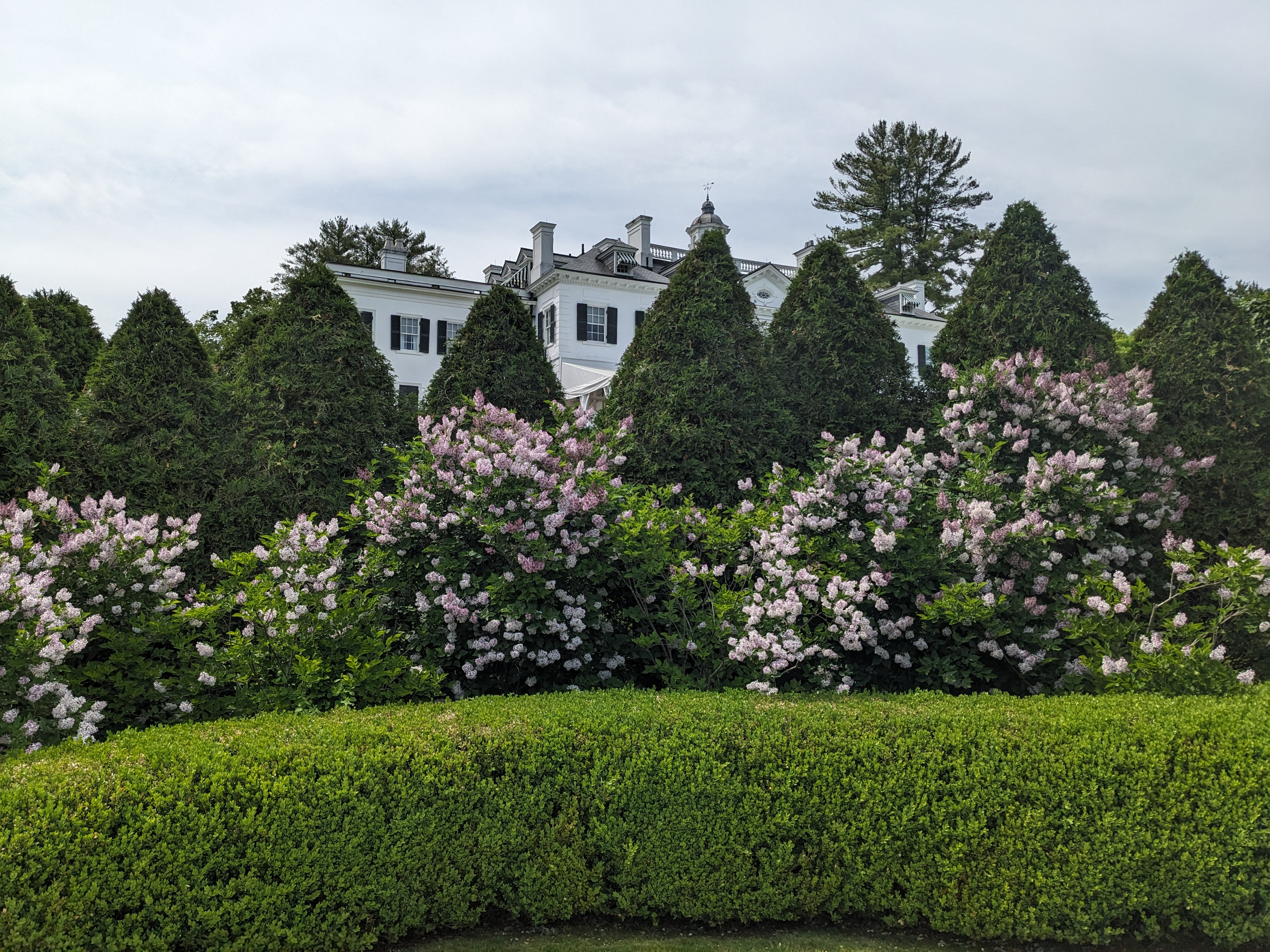
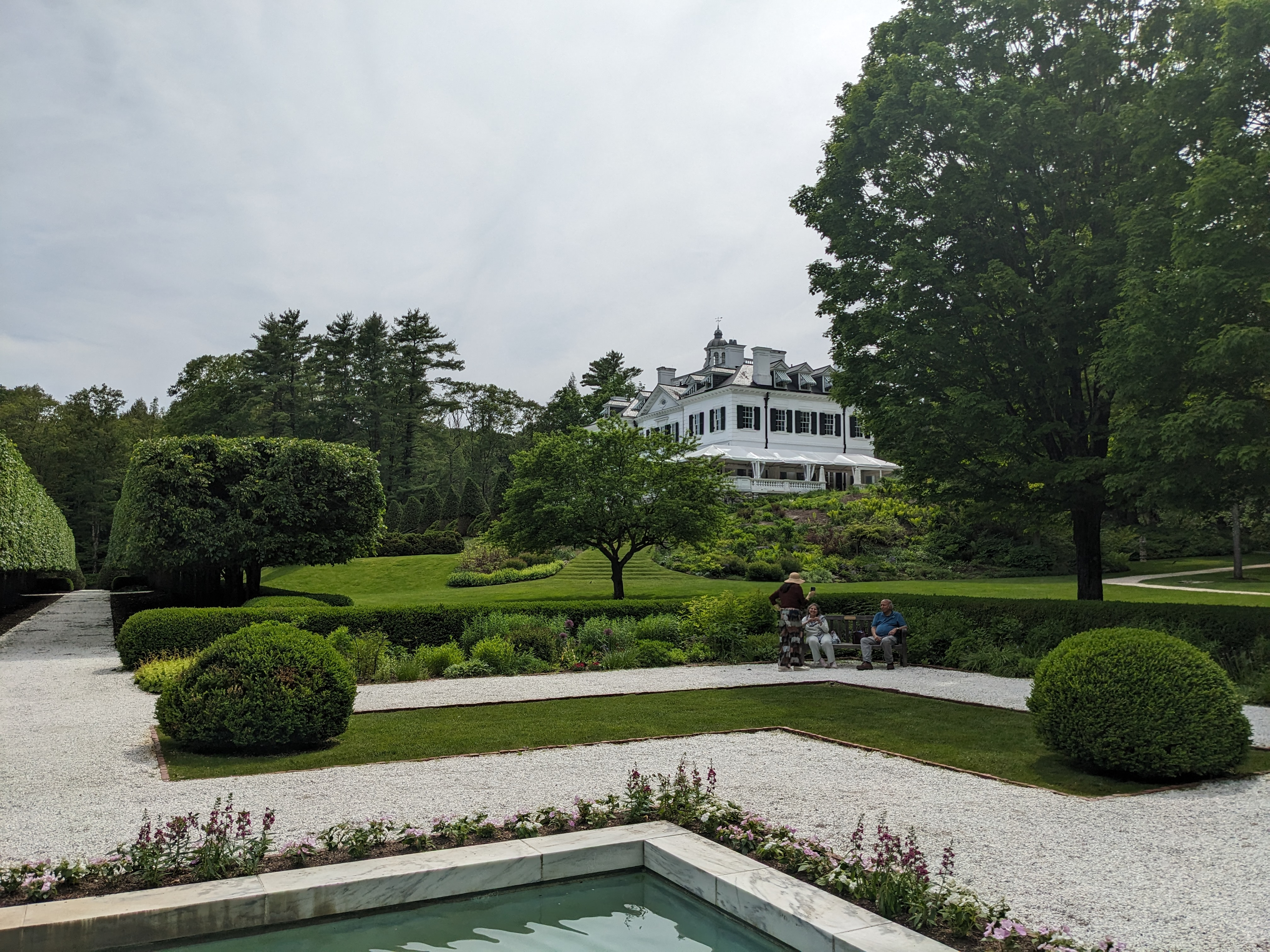
Deciding to capture more fresh air, I entered the terrace from the dining room and descended down the majestic stone steps to Wharton’s walled garden pathway. To the right, passing through a bouquet of lilacs, is Wharton’s Italian garden, the fountain of which is surrounded by white begonias. There are a few benches interspersed throughout this sheltered oasis, and I did not hesitate to seize the opportunity to relax and drink in the refreshing fragrances of my favorite of the two gardens. Being rejuvenated, I headed back down the path to the French garden, with another, dolphin-adorned fountain, surrounded by small bouquets of Wharton’s favorite blooms, including lilies, hydrangeas, and dahlias. Each garden has its own particular view of the mansion and grounds, and each are splendid in their own unique design and construction.

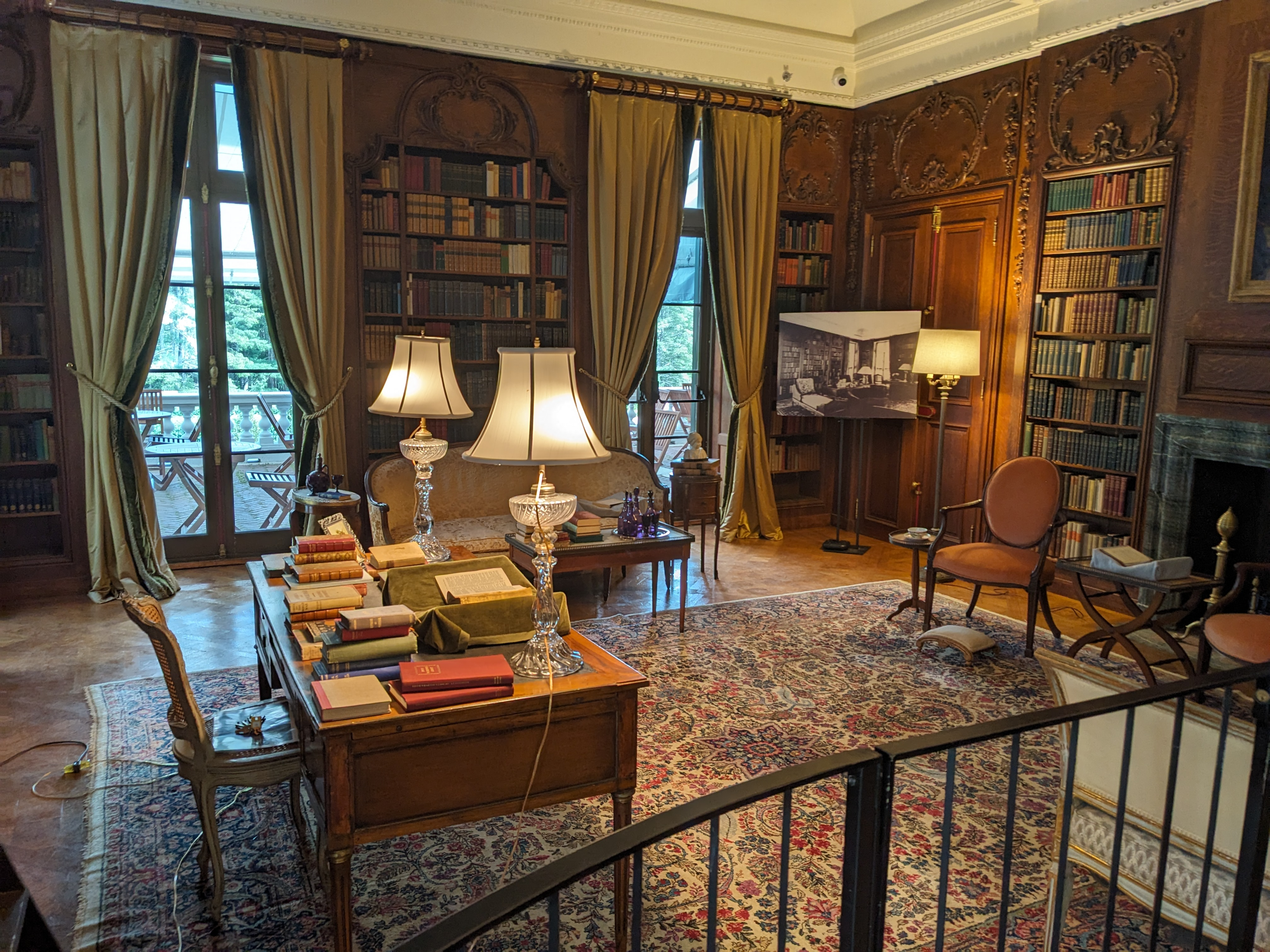
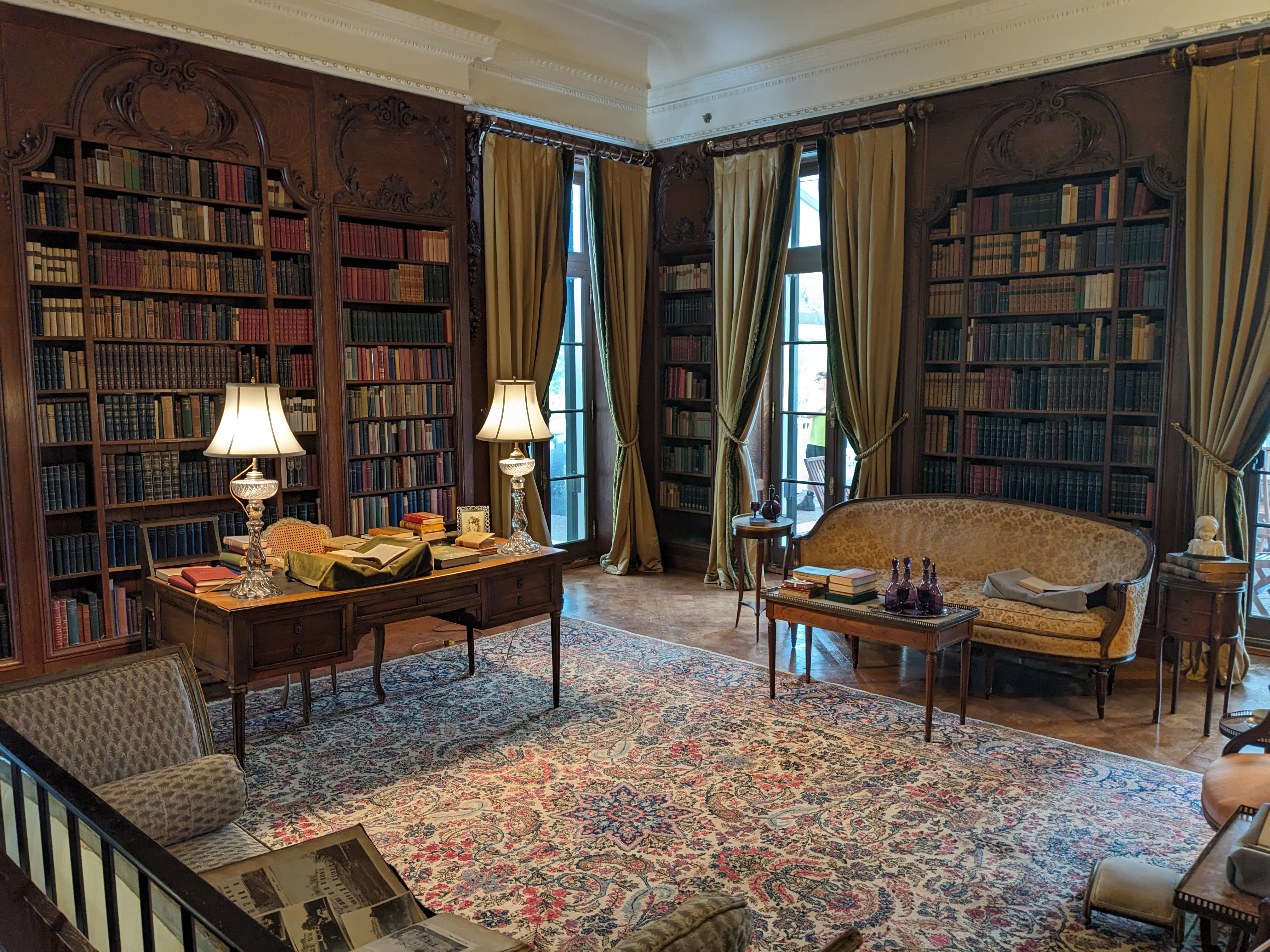
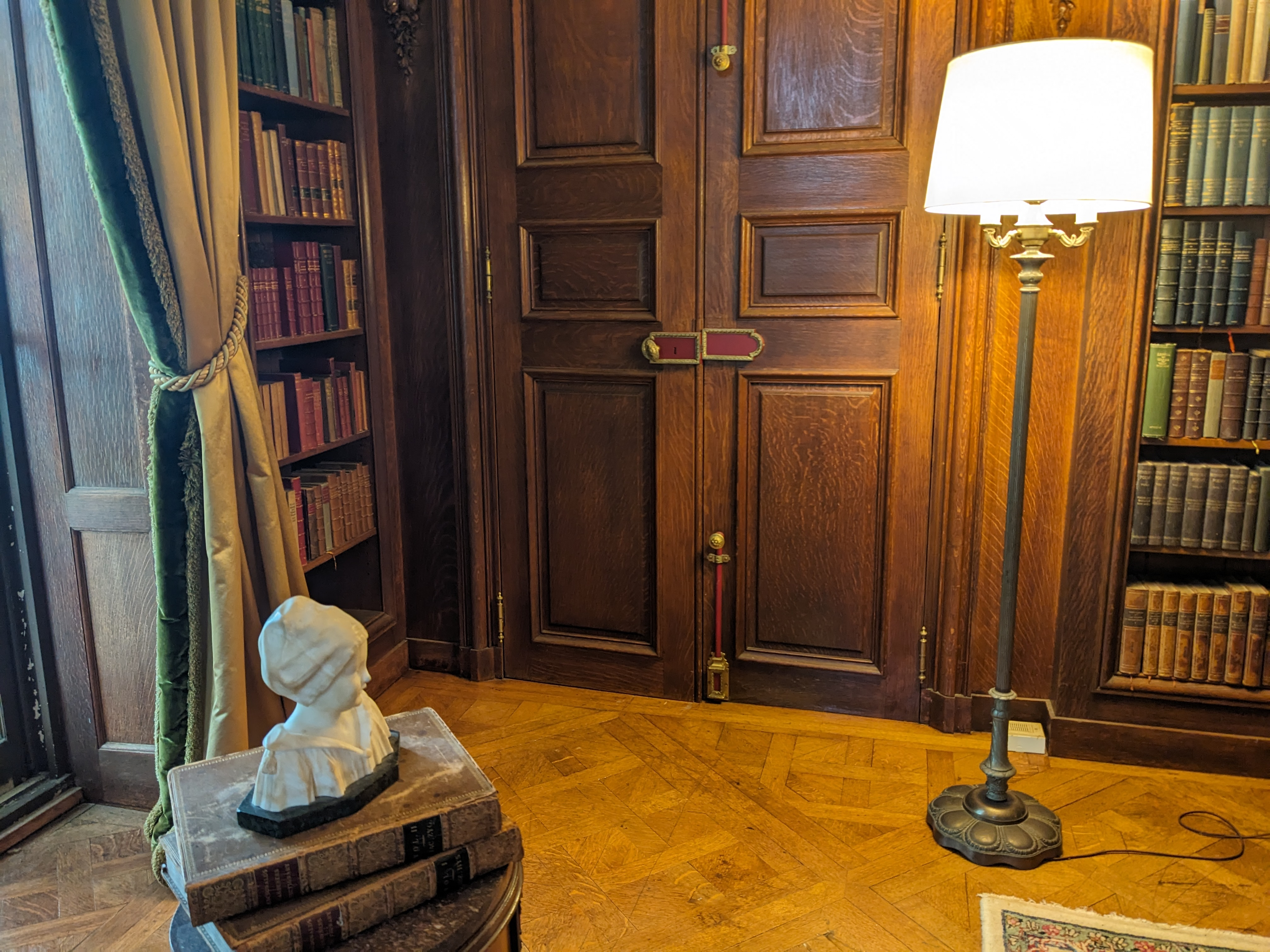
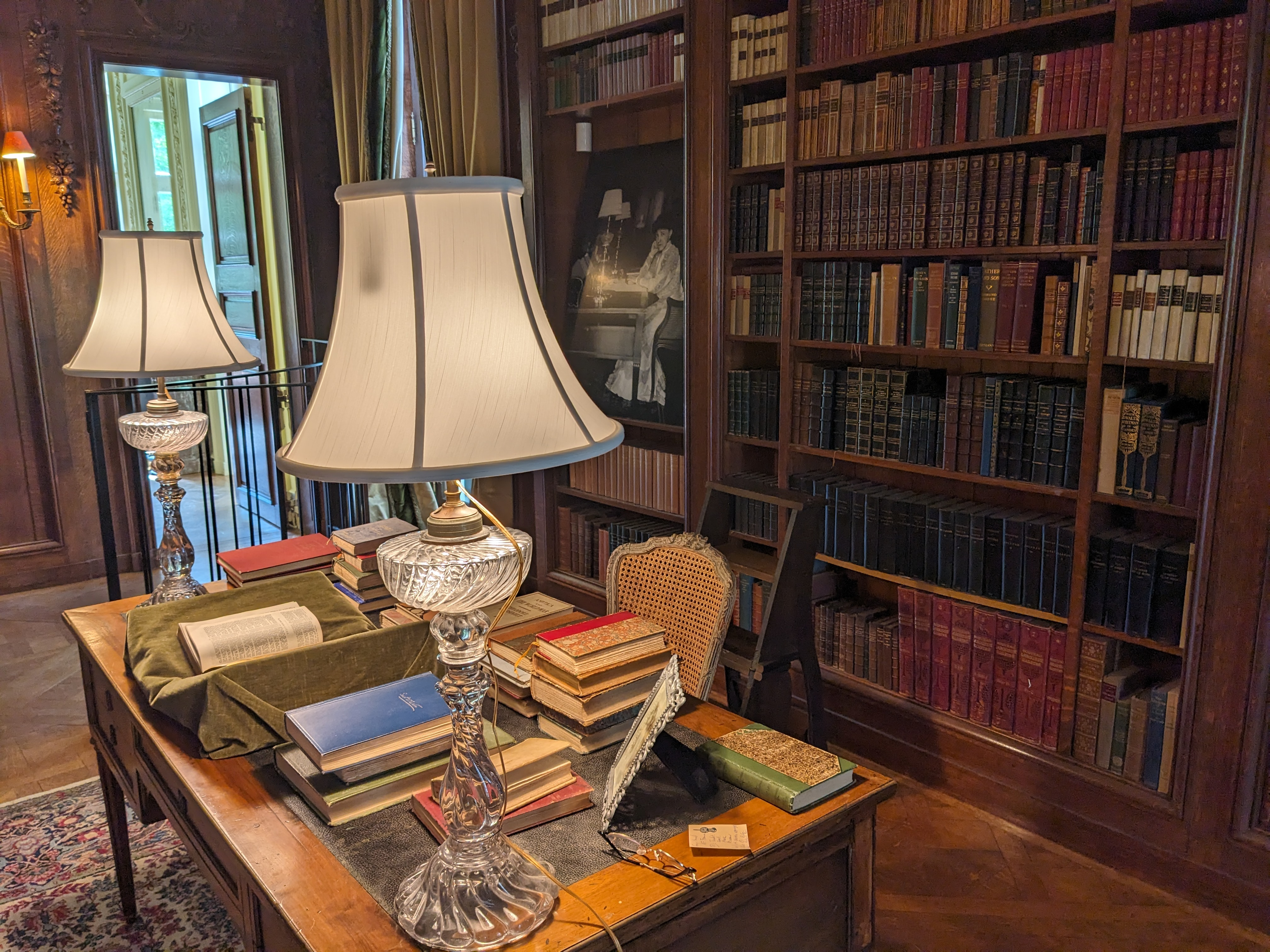
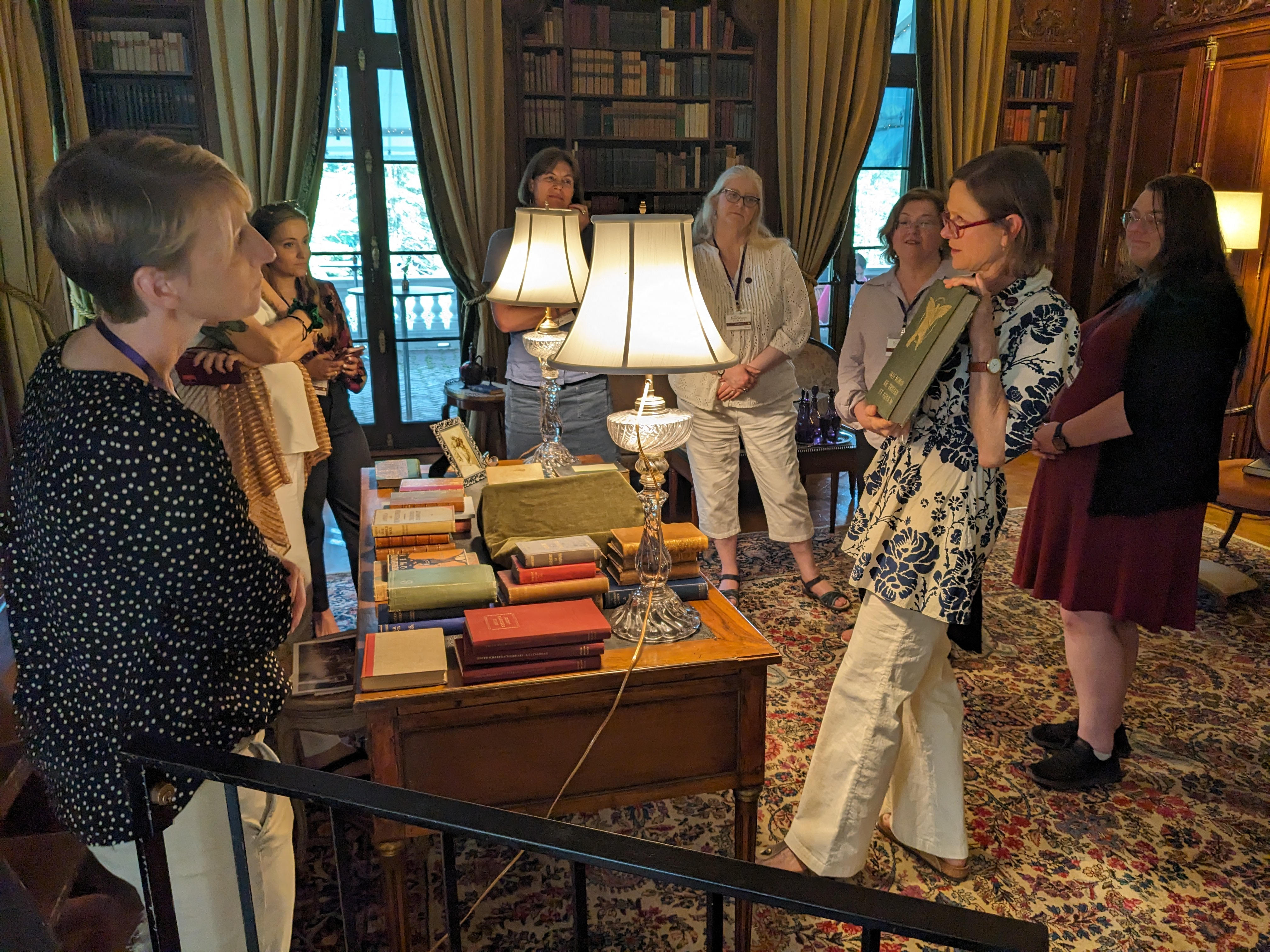
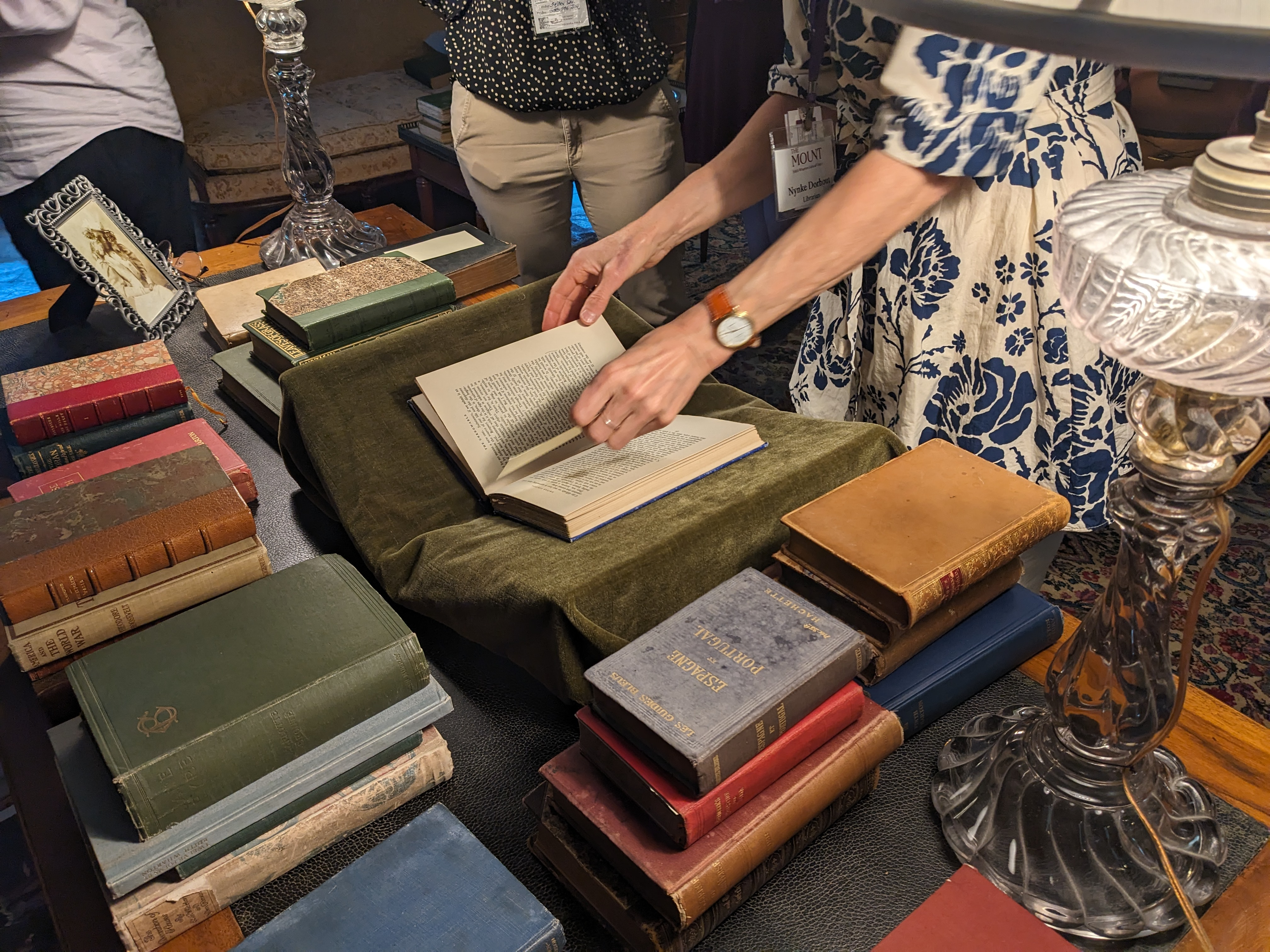
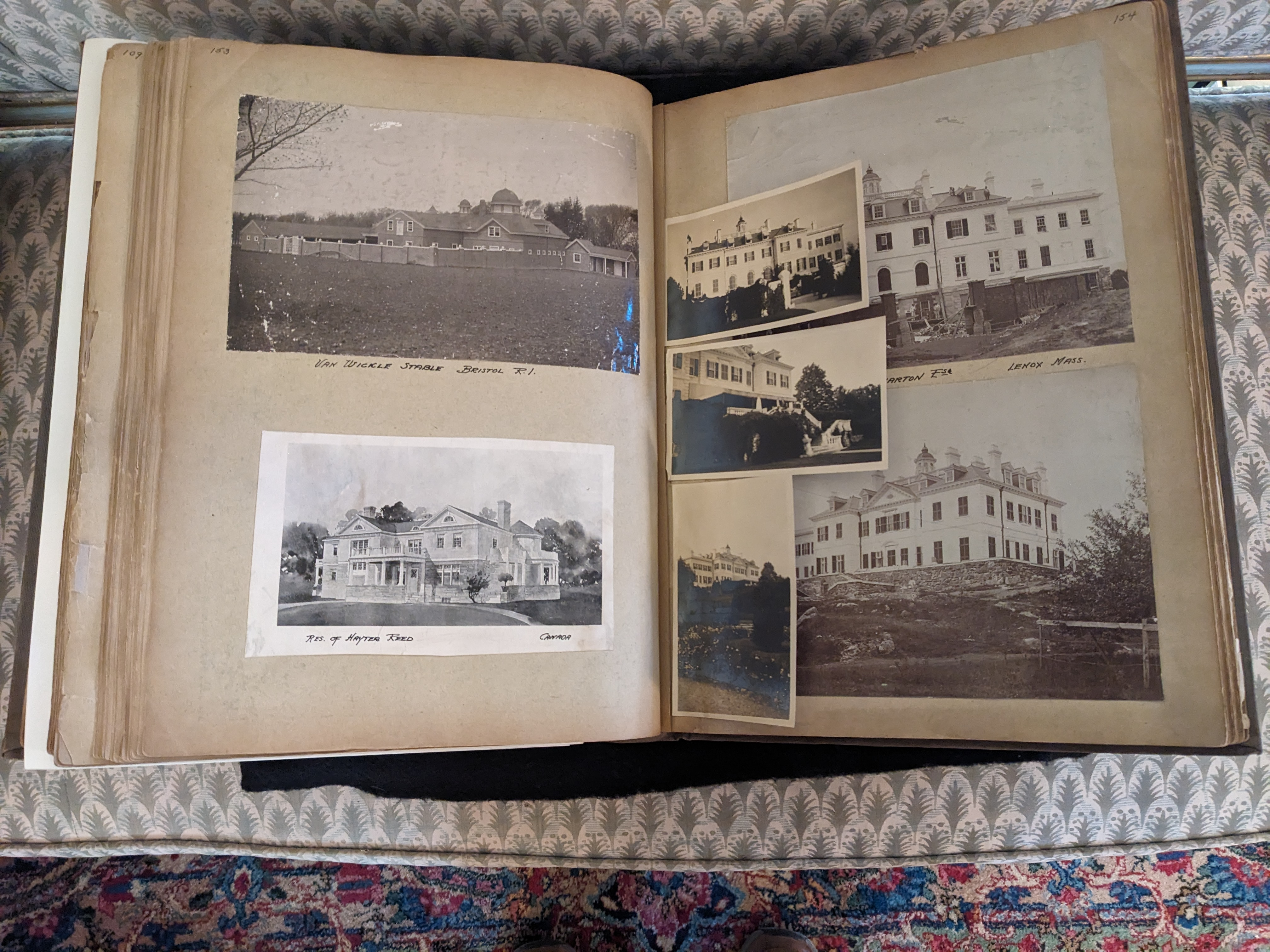
Towards the close of the afternoon was a “breakout session,” which was comprised of an up-close view of Wharton’s library. Upon gathering and entering past the visitor barricade, our guide immediately pointed out Wharton’s collections, starting with her extensive editions in French, German, and Italian. The shelves themselves were set in handsome wood-panelled walls, with Wharton’s writing desk placed rather centrally within the room. Our guide later pointed out several editions gifted to Wharton and inscribed by her associates, including her publisher, Charles Scribner; her colleague, friend, and rival, Henry James; and even her governess and confidante, Anna Bahlmann. Along with these fascinating tomes was a rare collection of photos, the only ones known to fully capture The Mount under construction.

The evening ended with a soiree that brought together all the gathered scholars, academics, and Wharton enthusiasts, allowing for a delightful intermingling and exchanging of ideas and observations. This tasteful event concluded with a lifetime achievement award presented to renowned Wharton scholars Drs. R. Alan Price and Irene Goldman-Price (sorry, no photos of this!!). A huge and humble shout-out to Sarah Margolis-Pineo, director of the summit, and Drs. Laura Rattray and Emily Orlando, legendary Wharton scholars, who spearheaded the panels and presentations. This overwhelming experience was only made possible by these and other auxiliary staff and academics, ensuring everyone would walk away at the end of each day with something extraordinary.

Stay tuned for my next post, 2026 Edith Wharton Summit: Day 2, to be published next Monday, June 22nd!! I certainly hope you enjoyed this one, and please, by all means comment with any questions or remarks you may have about any part of the event. Please also ask permission or give credit before reproducing photos. Thank you for visiting!!

Summer in Winter

On this official last day of winter, with balmier seasons ahead, I thought it appropriate to revisit Wharton’s oft-neglected novella to postulate something that may or may not have had an effect on her characters, plot, and ending: what would Summer have been like had Wharton set the story in winter, like her Ethan Frome??

The novella begins as thus:

“It was the beginning of a June afternoon. The springlike transparent sky shed a rain of silver sunshine on the roofs of the village, and on the pastures and larchwoods surrounding it. A little wind moved among the round white clouds on the shoulders of the hills, driving their shadows across the fields and down the grassy road that takes the name of the street when it passes through North Dormer. The place lies high and in the open, and lacks the lavish shade of the more protected New England villages. The clump of weeping-willows about the duck pond, and the Norway spruces in front of the Hatchard gate, cast almost the only roadside shadow between lawyer Royall’s house and the point where, at the other end of the village, the road rises above the church and skirts the black hemlock wall enclosing the cemetery.”

It is easy to observe the contrast here. Wharton would have you believe that the setting is nothing but warm, pleasant, and bucolic, this put in stark relief against her Ethan Frome, which is an icy tale full of woe and misery. The reader is led towards a positive outlook, perhaps to think that all that is to follow will have a satisfying outcome, a stereotypical “happy ending.” After all, who doesn’t like the weather in June?? And how could any of Wharton’s characters be unhappy in such a dreamy place??

Put under a microscope, however, we are led to something quite different. As readers of Summer, we know that the ending is not ideal, and that her characters, at least her main character, Charity, do not end up particularly happy or satisfied. Charity, like Ethan, is looking for an escape, a chance to break free from her confines, because, to her, this summer landscape is stifling and restrictive. Our minds thereby travel to what the extreme of summer looks, and feels, like at its harshest. The heat and humidity is indeed stifling, and most people do not venture outdoors. The same is true for the winter, in which the drifts of snow and icy temperatures keep most people home bound. So, we can deduce that the extremes of each season leads certain characters, whether in fiction or in real life, to a sort of “cabin fever” effect, where the effects of atmosphere, temperature, and precipitation are prone to driving people to their limits.

And it is this propulsion to the limit that we see affect both Charity and Ethan. It does not matter the season. The extremes of each is what hurtles each character to their individual, but identical fates. Would Charity have indeed escaped North Dormer had Wharton set the story in the winter?? Would Charity have been more resourceful, or more inspired to break free had the winter had its grip on North Dormer?? And inversely, would Ethan have had better luck escaping Starkfield had Wharton set his story in the summer?? It behooves the reader to conclude that, no, it does not matter for Charity or Ethan whether it is summer or winter. We see the glimpses into their identical fates, which ultimately lead to their spiritual destruction. It is evident and foreshadowed in the passage quoted above, where the road ends, just as Charity and Ethan’s stories end, in a place of death, the cemetery.

Readers ultimately mourn for and empathize with Charity and Ethan. But it is at Wharton’s hand that we see their fates played out in the harshest ways. Wharton, in her time, had to bring her characters to such extremes to light attention to the plight of rural men and women of her era. For such people, there were few opportunities for escape or improvement. What we normally observe as the change of seasons in the most delightful of ways were mechanisms of torture for her characters. And perhaps once that warm summer sun pokes over the horizon, or the first snow of winter blows our direction, we’ll remember them more profoundly.

***Stay tuned for more posts!! This June, I will be attending the Edith Wharton Summit 2026 in Lenox, Massachusetts!! So, I look forward to having a plethora of material for future content. Enjoy, and Happy Spring!!

May I? — A Poem on War, Unrest, and a Centenary of Change

May is not always just a month of change, it is a month of reflection, revival, and growth.

Not just in seasonal and allegorical ways, either, but in historical, individual ways.

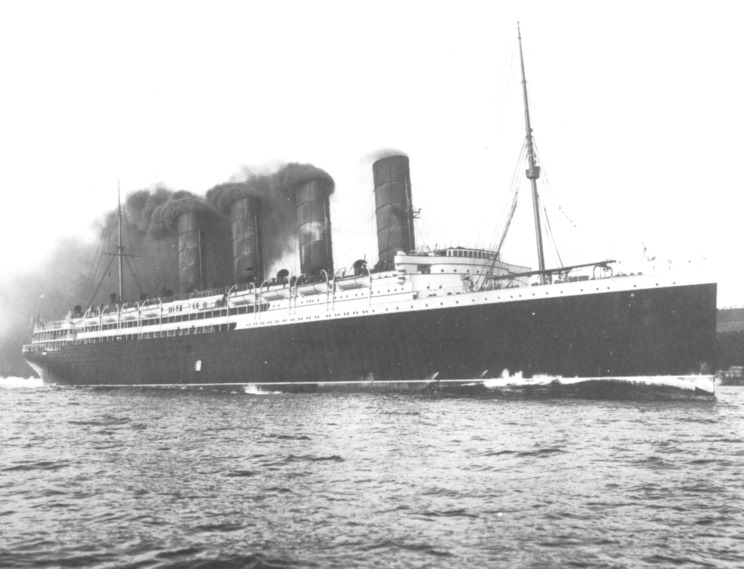
On May 1, 1915, the RMS Lusitania set out from her American port en route to Liverpool. She was a ship of wonder, the equivalent of The White Star Line’s Titanic, famously lost three years earlier, a rival of the Cunard line’s crowning glory, and icon of Edwardian engineering and maritime pride.

She never made it back home through the ‘war zones’ of Britain, and fell in spectacle on May 7, 1915, to the bottom of the sea, seven miles off the southern coast of Ireland, in vantage point from the lighthouse that caps the cliff of ‘The Old Head of Kinsale’; with 1,198 souls lost, many of them Americans, the murder of the Lusitania outraged the American public, and set off a spark of American involvement in the growing war in Europe. Sailing through hostile German naval territory, the Lusitania was torpedoed on her starboard side by a German U-boat, and sunk in eighteen minutes. Not only a catastrophe in it’s own right, a turning point that would herald the first ever global war, ‘An End of Innocence’, a catharsis of ideals, and an American cultural revolution, but the bringing to life of new ideas, and the sobering rethinking of mankind’s expressions of ingenuity, ones that would shift from technological marvels like the Lusitania to other modes of individual, literary, and artistic ‘expression’ that would emerge through and beyond ‘The Roaring Twenties.’

Of course, I cannot help (again) to make parallels with the currents of protest now running through the nation. The uprising in Baltimore, though in a sense drastically ‘different’ from the chain of events, the loss of the Lusitania being one of them, that initiated a global crisis, is also in another sense remarkably similar — it is another distinctly ‘American’ opportunity to embrace change.

Did Wharton see the sinking of the Lusitania as the end of her ‘beloved’ (sarcasm, of course) Gilded Age ideals? Her purpose for her writing? The transformation of tragedy and unrest into a rethinking of ‘American’ values? I really have no clue, and I’m not sure that the opinions of a rich, privileged, dead white woman at this point could really lend much value towards a conversation about chronic, race-based inequality and unrest in 21st-Century America. 🙂 But it is certain that the Great War that followed catapulted her desire into assisting directly on the front lines and in the relief effort. And, I will speculate, that May 1915 may have been the month, the year, the ‘turning point’, the true wake-up-call for not just America and the world on the heels of war, but for the cynical, the brusk, the inert, the snobbish Edith Wharton, to leave her pen and paper, her failed marriage, her elaborate estate, behind, and spread the light that she had once so brashly and mercilessly denied all of her characters — and to some extent, herself — into the lives of real people, other people, people caught up in the turmoil of World War One.

May 1915. This, not all but just Wharton could likely see, was a, if not the, definitive moment of the century, the ultimate uprising and unrest of a generation, the spark of change that would, perhaps, ‘make all else clear’ …

………………………………………………………………………………….

………………………………………………………

………………

~ May I?

 Remembering the Lusitania ~

……..

May 2015 … bring forth fruit.

May 2015 … bring back light.

May 2015 … tear down hearts of stone.

May 2015 … raise up spirits of truth.

May 2015 … uproot the weeds of fear.

May 2015 … plant the seeds of love.

May 2015 … be not month, year, but purpose.

May 2015 … revive, restore, souls, bound by time.

May 2015 … renew polluted minds.

May 2015 … release the ties that bind.

May 1915 … bring us through these wars.

May 1915 … bring our nation hope, color, glory, again.

……..

~ Lusitania! She is not dead! She has been sailing with us all along. ~

………………………………………………………………………………….

………………………………………………………

………………

08_lusitania

Edith Wharton and Margaret Mitchell: Would-be rivals? Or fellow bedfellows?

MMitchell

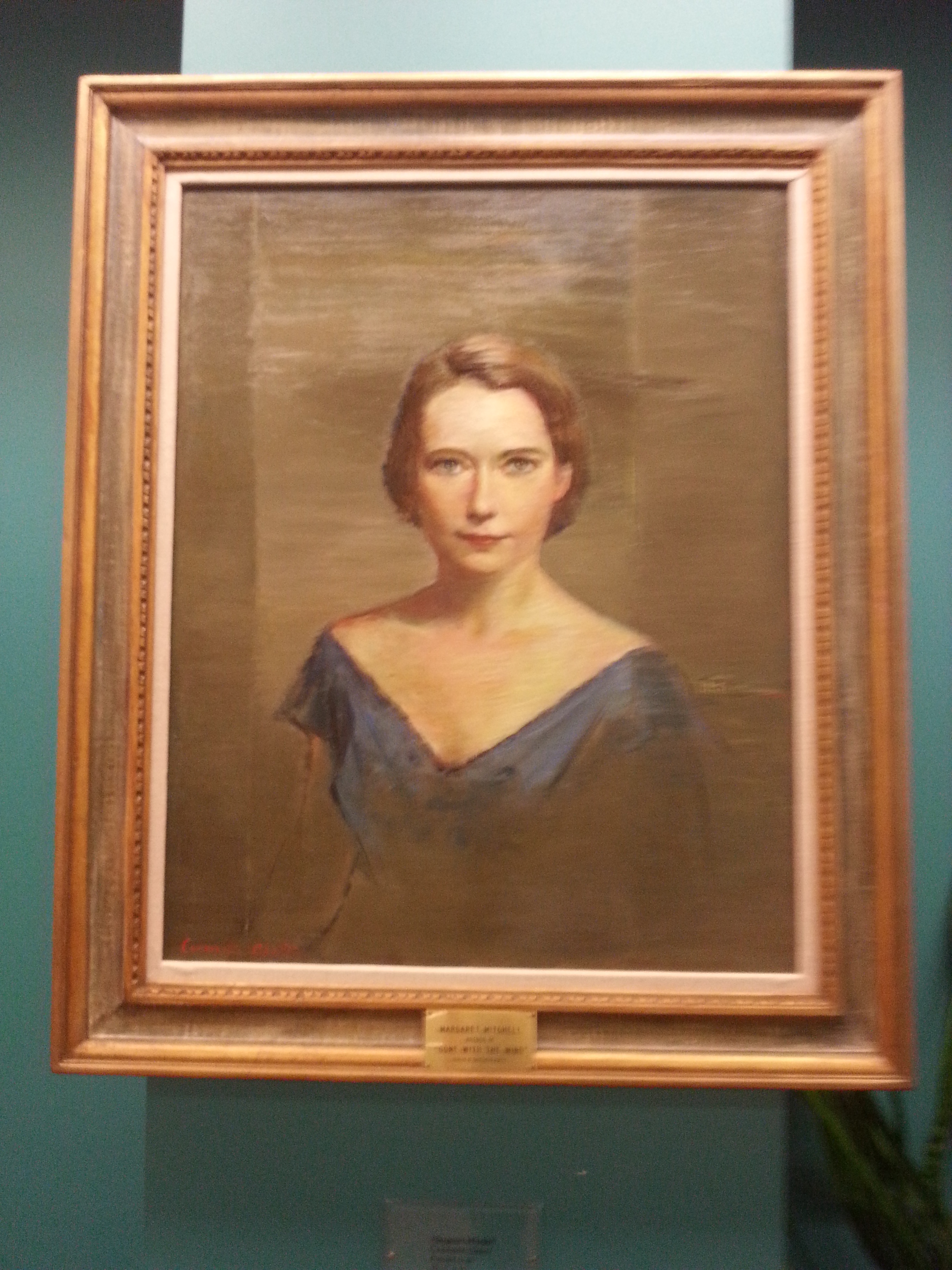
A portrait of Margaret Mitchell stares me down every time I hop off the elevator to the floor housing my current workplace. It’s one of those it-doesn’t-matter-where-you-are-in-the-room gazes, (what portraits are not?), and it can be creepy as she wildly projects the dominion of her vision over her typewriter, her premiere editions of Gone With the Wind, and her Pulitzer, all displayed in glass casings that reflect the obnoxious glare of the florescent rectangles of light overhead. It is a shrine to a woman and writer I’ve known so little about, and frankly, until now haven’t had the least bit of interest in. The ‘sensation’ of GWTW, both the novel and the film, though unrivaled in popular American culture, just never seemed palatable to me, a kid who attended most of grade school only miles from ‘The Road to Tara’, a kid still, who even now doesn’t fully have a grasp on the romanticization of ‘The Old South’ and the lament of its destruction.

Instead of regurgitating what is already stated in academic acknowledgements of Wharton being an ‘influence’ on Margaret Mitchell’s Gone With the Wind, I will just consider what I can imagine Wharton’s opinions or views may have been regarding GWTW, and the sentiment of ‘lost ideals’ so loudly and blatantly apparent in Mitchell’s unforgettable story.

……………………………………………………

Gone With the Wind was published in 1936, the year before Wharton died of a stroke outside of Paris, an ocean away from the literary ‘currents’ of not just modernity, but the still permeating, and increasing influence of ‘popular fiction’ on American culture. What Wharton would not have known, then, was the way in which Margaret Mitchell ‘composed’ her novel. After reading essentially every single book from The Carnegie Library, Atlanta’s original city library, and after injuring her ankle after leaving her job as a journalist for the Atlanta Journal, her husband, John Marsh, in so many sarcastic terms, ‘encouraged’ her to write her own story instead of devouring others’ by her husband’s arm-fulls — and so she did, writing about a city she knew so well, her home, Atlanta, set in a period that had all but vanished.

For those who know Wharton and her perspective, this, of course would sound much too familiar.

But Margaret Mitchell, despite her own ‘popular’ approach and mastery of storytelling that has so mythologized Gone With the Wind, did not seem to have the same ‘respect’ for the novel as an art form that Wharton did. In fact, she has been quoted as saying regarding the completion of GWTW — “I just want to finish this damn thing.” While Wharton herself was likely unamused with the rigorous physicality of the writing process, and the lengthy depths of thought involved (she was of course, unamused with most things in life), she would have also likely disdained the way in which Mitchell saw no purpose in her work. Another compelling ‘fact’ was that Margaret had demanded the original manuscript of GWTW returned to her after being mocked and subsequently irritated by an acquaintance, and after having already submitted it to the publisher. She did not even believe herself that the novel would bring her or the public any form of commercialized success. [http://mentalfloss.com/article/30591/10-things-you-might-not-know-about-gone-wind] Though Wharton’s temperament was in some ways practically identical to Mitchell’s, I believe she would have frowned upon and even disdained Mitchell’s nonchalant and indifferent attitude towards the role of the contribution of her novel and her work, Gone With the Wind, to the American cultural imagination, whether considered ‘literary’ or ‘popular’. Wharton’s aims and vision for her novels were far more broad-reaching and polemical in comparison to Mitchell’s, even though Mitchell’s one-hit-wonder (though not singular) work of fiction, Gone With the Wind, cannot be disputed as having far exceeded any single work of Wharton’s in not just national, but worldwide popularity.

I can’t help but not forget, however, the kinship of sentiment and subject matter shared by both Wharton and Mitchell concerning ‘things lost’ — Gone With the Wind both sponging and proclaiming the maudlin reaction to the burning of Atlanta, the end of The Civil War, and the dissolution of the agrarian South, while Wharton’s ‘Novel(s) of Manners’ pierce and bite the rigid, self-serving tactics of ‘Old New York’, lamenting not the loss of a romanticized ‘way of life’, but individual life, individual lives, casualties of an intangible milieu that would, ironically, just like the tangible roads and byways from Atlanta to Savannah along ‘Sherman’s March to the Sea’ consumed in flame, also completely disappear into history. In not just a literal sense could Wharton and Mitchell be considered ‘bedfellows’ — they both wrote in bed and often flung written pages of their work onto the floor — but that both cultures from which they wrote, North and South, so polarized in ideals, in an allegorical sense, ‘made their own beds’ and slept in them, meaning, that both the idealized, slave-based plantation systems of the 19th-century South, and the unforgiving social rungs of 19th-century aristocratic New York, would equally dismantle these now only and forever archived ways of life, the fleeting ‘securities’ and comforts that they had brought to the privileged, with their ignorant disregard of inequality, the soulful, and the passionate, forever securing, with the help of both Mitchell and Wharton, the myths of a nation once — or still? — divided.

Happy — Yes, Happy — 153rd Birthday, Edith Wharton

“The very good people did not convince me; I felt they had never been tempted. But you knew; you understood; you felt the world outside tugging at one with all its golden hands – and you hated the things it asked of one; you hated happiness bought by disloyalty and cruelty and indifference. That was what I’d never known before – and it’s better than anything I’ve known.” —The Age of Innocence

“Do you remember what you said to me once? That you could help me only by loving me? Well — you did love me for a moment; and it helped me. It has always helped me.” —The House of Mirth

“The turnings of life seldom show a sign-post; or rather, though the sign is always there, it is usually placed some distance back, like the notices that give warning of a bad hill or a level railway crossing.” —The Custom of the Country

“They seemed to come suddenly upon happiness as if they had surprised a butterfly in the winter woods.”Ethan Frome

… “The silence which is not solitude, but compassion holding its breath.” …

~Edith Wharton, b. January 24, 1862

Fables and Fiction: Wharton and “The Age of … Relevance”

“Fiction is the chief intellectual stimulus of our time […] It is ninety-nine chances out of one hundred that the book which, at any given moment, is making the world talk, and making the world think, is a novel.”

–Novel Writing, and Novel Reading (1899), lecture by William Dean Howells

Recently, I have begun to notice something interesting in the things that are “trending” across social media, the web, and (it appears) contemporary literary circles. On my Facebook feed, someone had shared a link to an article titled “Science Shows Something Surprising About People Who Still Read Fiction.” Google’s Zeitgeist commemorative video of the “Year in Search” (2014) revealed that people had searched for “science more than fiction.” And a newly published essay by Roger Grenier in The American Scholar magazine is aptly dubbed “Last Works: Is There Anything Left to Say?”

I loved fiction growing up, and mostly, that was the only kind of reading I did … (I think that’s the only kind of reading most pre-adolescent kids do if there isn’t something more interesting on television, or as a last-resort alternative to spending a weekend or summer away from having to read for homework, and the like) … But I think that it is safer to assume that everyone learns about the world, and themselves, through storytelling. The oral tradition, before the advent of the printing press, had handed down the epic fables, the chronological, biblical tales recorded in story format that were eventually compiled into the Old and New Testaments of the Holy Bible, the text that most everyone already knows is the single most reproduced collection of “stories” ever published … and at the turn of the previous century, the novel had become the premier, ultimate reflection of society’s ability to not just tell and write their own stories, but to turn storytelling, in novel form, into art:

“… The place occupied in the world by the prolonged prose fable has become, in our time, among the incidents of literature, the most surprising example to be named of swift and extravagant growth, a development beyond the measure of every early appearance […] It arrived in truth, the novel, late at self-consciousness, but it has done it’s utmost ever since to make up for lost opportunities. The flood at present swells and swells, threatening the whole field of letters […] The book, in the Anglo-Saxon world, is almost everywhere, and it is in the form of the voluminous prose fable that we see it penetrate easiest and furthest.”

–The Future of the Novel (1900), Henry James, essay

Wharton, encouraged by Henry James, took every advantage of the contemporary trend of the “prolonged prose fable,” and used not only her talent and foresight to populate the imaginations of her readers, but her understanding of the power of the fable.

The fable is, by meager definition: “a short story … conveying a moral.” A few of Wharton’s more successful works are, if measured by their length, technically considered fables (or novellas — Ethan Frome, Summer), but her three most distinctive, novel-length works — The House of Mirth, The Custom of the Country, and The Age of Innocence — would more appropriately fall under James’ heading of the “prolonged prose fable.” It was these novels that mirrored the “zeitgeist” of Edwardian New York society. If there were any hashtags placed before words in private, written correspondence, they would have probably gone before the titles of novels such as Wharton’s.

Perhaps the novel form that Wharton perfected is truly not as relevant or as popular a force today as it was then, nor as singular an indicator of the spirit, tone, and interests of contemporary American society. Since the turn of the previous century, more modes of expression have emerged to conduct the electricity of storytelling, and the power that it brings to individual life. And perhaps also, the use of the novel as a conductor of storytelling is not as favored or as preferred by artists as it once was by Wharton and James.

Yet the story itself remains. The fable remains. And even if everyone across the globe were robbed in an instant of their ability to read and to write, the need to tell stories would remain, to turn stories (events) into fables (lessons). A return to the oral tradition, in an ironic way.

In this sense, I believe that there is no “Age of Relevance” for the story and the fable. Turning one into the other — whether in a novel, on television, on YouTube, in the theater, in graffiti color on a wall of a neglected underpass, in a journal or a notebook or a time capsule that no one may ever see — is a kind of expression, a kind of fiction, that will never die with time, and that telling our own cultural and personal stories, whether in more direct ways, or using fiction as a filter, is a priority that cannot be ignored.

It seems apparent that Wharton, and other American writers who followed, were conscious that the novel would become a sort of “dying breed” of written expression. But there is no doubt (in my mind) that most of these writers, including Wharton, would not be so scathing enough to entirely disapprove of the different modes of media and expression and communication that most everyone is familiar with today …

Distracting? Yes. Detracting? Perhaps. But irrelevant? Far from it.

The Incarceration and Liberation of Lily Bart

“She was evidently the victim of the civilization which had produced her, that the links of her bracelet seemed like manacles chaining her to her fate … [yet her] attitude revealed the long slope of her slender sides, which gave a kind of wild-wood grace to her outline — as though she were a captured dryad subdued to the conventions of the drawing room; and Selden reflected that it was the same streak of sylvan freedom in her nature that lent such savour to her artificiality.” –The House of Mirth

About a year into college, I switched majors from Real Estate to English Literature. My “plan” had been to earn a B.B.A. and pursue a career in real estate appraising, a road that two of my uncles had chosen to make a living. It wasn’t very apparent where this choice would lead, but it was a required core American Literature course (and its professor) that sparked my interest in studying literature further. The following fall semester, I had already changed majors, and registered for (what was now) another required course in introductory literary studies. Same professor. Actually, funnily enough, it was the same lecture hall. I think even the exact same classroom.

Towards and as a part of the completion of the class, we were required to choose one of three novels, and apply to it, in essay form, (I will pause to apologize in advance if my blog posts more resemble essays than blogs!), one of the ten “literary theories” we had studied and read about throughout the semester.

This was deep stuff. In the beginning, I really had no idea what the purpose of these theories were meant for. Among the required reading were philosophies and literary theories and movements of the past century, including Marxism, deconstructionism, multi-culturalism, psychoanalysis, feminism, and ideas of “modernity,” formed by legendary “thinkers” such as Jacques Derrida, Michel Foucault, Mikhail Bakhtin, Sigmund Freud, Virginia Woolf, and the like. Yeah. All, as a newcomer to literary studies, completely and utterly over my head. Yet I was fascinated.

Among the choice of novels meant to be used for this assignment was Wharton’s The House of Mirth; I had never read it to this point, but chose it solely based on my initial attraction to Wharton’s storytelling in Ethan Frome, in high school, her only work I had read, and enjoyed, to date. I was pleasantly surprised. Again. I didn’t realize it right away, but Wharton’s heroine, Lily Bart — her physical beauty, her fragile, inner sense of dignity, her (literally) painful awareness of the world around her — was merely a subconsciously female counterpart of Ethan Frome. Going through the story for the first time, I also identified with how the urban setting of Edwardian Manhattan, both the physical, lavish constructs of Fifth Avenue, and the plutocracy that controlled it (“The Lords of Pittsburgh,” as Edith Wharton referred to the industrial tycoons of her day), played an integral part in the plotting of Lily’s destiny. New York City, in Lily’s time, was still a residual product of the wealthy Dutch ancestry that had purchased, founded, and established the “New Amsterdam” of the 17th Century, and was not exactly the wondrous, modern metropolis of today that leaves countless tourists awe-struck and on sensory overload. New York City was, for brooding, independent souls, like Lily Bart, an asphyxiating prison.

The proverbial light-bulb went on over my head after realizing Wharton’s implication: we are creatures of our environment. This really is no cliche, and was certainly no cliche in Wharton’s time. Even though Lily is born into white privilege and financial “advantage,” she still (again, no spoiler alerts here) ends up, just like anyone else “beneath her,” living in debilitating poverty. She makes that feared descent into failure alone, although there are some in her path, social “outliers,” like Lily’s penniless, dilettante love interest, Selden, and his “dingy” cousin, Gerty Farrish, who attempt to intervene. A literary critic of the time, Edmund Wilson, writes in his critique, “Justice to Edith Wharton,” (1937, the year of Wharton’s death), that she (Wharton) makes a point to craft her novels as “almost [invariable upshots] of a conflict between the individual and the social group.” This is Wharton’s unspoken, but obvious mantra behind her fiction and form, and the inevitable driving force of action (or inaction?) in the lives of her characters, like Ethan, and, as we see here, Lily. It is the defining feature of her tragedy, like the ornate facade and pinnacles of the Woolworth Building, only for Wharton’s characters, it is more like the banal, obtrusive face of an exceedingly unjust social prison.

My mind immediately went to a theory I had enjoyed reading about in our theory textbook: Michel Foucault’s theory of the panopticon, a term mentioned in his more thought-out, novel-length book “Discipline and Punish.” A panopticon is a circular French bastille (prison) that has, within its center, concentric layers of building structure that contains individual prison cells. These cells are constantly monitored by guards from a sentry tower located in the center of the structure, but cannot be seen by the inmates (hence the effectiveness of monitoring and controlling the behavior of the prisoners). This concept of surveillance immediately reminded me of the New York of Wharton’s time, played out in The House of Mirth, and how the physical buildings that line the dull, cheerless avenues of Lily’s New York are the “sentry towers,” the members of her circle the “sentries”. We see an example of this as Lily’s Aunt Julia, a loveless relative who “tries [Lily] for a year” in an act of pretentious charity after the death of Lily’s parents, constantly watches Lily’s comings and goings from the windows of the drawing room. Everything is scrutinized, and everyone knows everyone else’s business, in a society where “scandal was dreaded more than disease”; only, because of her innate, intuitive sensibilities, Lily Bart does realize this, and understands her need to both satisfy and resist it in order to survive. The only place in this brownstone menagerie that Lily feels “free,” we discover halfway through the novel, is the “other-worldliness” of the Brys’ conservatory, the Brys a new-monied family who host a lavish ball (orchestrated to facilitate their ascent into the upper-class) where Lily is an invitee; it is in this conservatory that Lily shares a kiss with Selden. Wharton implies that the wild foliage of the natural world on display in the conservatory serves as a metaphor for Lily’s natural beauty, similarly on display for, and at the disposal of, a group of people who would rather admire the conceited, materialistic grandiosity of their own achievements.

How does all this lead to Lily’s eventual condemnation from society? Lily knows her limitations, in terms of the people and occurrences dictating her fate, but she does not know her limitations in how to tolerate and deal with them, so she resorts to self-policing tendencies to preserve her fragile spirituality. It is her most rational choice, because, sadly, sound personal choices of any other kind are, for Lily, themselves limited, and few and far between; almost any other choice made available to her to escape or transcend her crises (one, the threat of poverty, the other, the grim humiliation of sacrificing her personal integrity to remain rich by marrying rich), will mean some kind of abject compromise. For Lily, as the reader navigates her gradual, turbulent fall from grace, we begin to realize that she is, proverbially, damned if she does, damned if she doesn’t. It is not so much the viscous, heinous, unforgiving, grudge-holding social circle that allegorically jails and incarcerates her, but it is Lily that incarcerates herself, and ironically, in so doing, preserves her sense of self-worth, however neurotic she may appear to those close to her. In her eyes, even at the close of the final chapter, staying true to herself, defying the “attrition and corrosion of the soul” that is enabled by her tangled connections with New York’s elite, is what actually frees her in the end, and Lily Bart becomes not just a literary heroine in her own right, but a transcendent testament to, and mythological martyr of, the age-old destructive forces of every American society that preceded Wharton’s time, the society that Wharton herself knew, and every American society since.

What can we learn from Lily Bart? Why was the city of her time such a dreary, confining, and spiritually intoxicating place, when the city as we know it today has become a place of change, education, and reform? Have the confinements of the “class-based” society vanished completely? It can be noted, and has been documented through the American historical record, that this time period, the Edwardian Era, was an age of “transition” between not only the American post-Civil War era, but of an intensely global imperialist ideology (Wharton actually confessed, in 1901, to being a “rabid imperialist,” despite her understanding of the cruel forces of elitism), and the ravages and consequences of the First World War. This was, in both a literary and historical context, a time of excess and arrogance of faith in man’s achievements and wealth, even if it was at the expense of not only sensitive, artistic persons in high society (like Lily), but also the quality of life and “good of the masses,” the 3rd, and even 2nd-class (now, as we call it, middle class) citizens of Wharton’s day. Spirited, adventurous visionaries of any kind, in any social stratum, were discouraged, and even though history has revealed the ignorance of this attitude, we must now go in search of the Lily Barts and Ethan Fromes of our time; that they must no longer be stifled, exiled, or ignored; we must break the molds, the deceptive, self-serving misuses of religion and politics, and find the true, pure meaning of our individual purpose in this world, and — yes, we can still dream — the world to come. The bleakness and harshness of Whartonian fate becomes merely the thing of legend, and although, as Edmund Wilson states, “[Wharton’s] grimness melts rapidly into benignity,” perhaps even obscurity, her message remains clear: that the single greatest incarcerating force, the thing that keeps us from glory and liberation, our greatest enemy, is not society and the confounding disapproval of other people, but the lies we believe about ourselves.

We can now clearly see Lily Bart in her glory. Wharton has uncuffed Lily from her suffering, and released her “Beyond!” the annals of her prose, the limitations of her own storytelling. Lily’s period of incarceration has ended, and Wharton gives her, at the end of the novel, a final, eternal rite of passage, the breath of a single word, the utterance of which, made by Selden, “makes all else clear.”
Blog at WordPress.com.

Up ↑