So, to deviate from scholarly speculations to real-world documentation, I present the following post (in three parts, over three weeks) dedicated to my visit to Edith Wharton’s estate in the Berkshires, called The Mount, late in the first week of June of this year – here we go!!
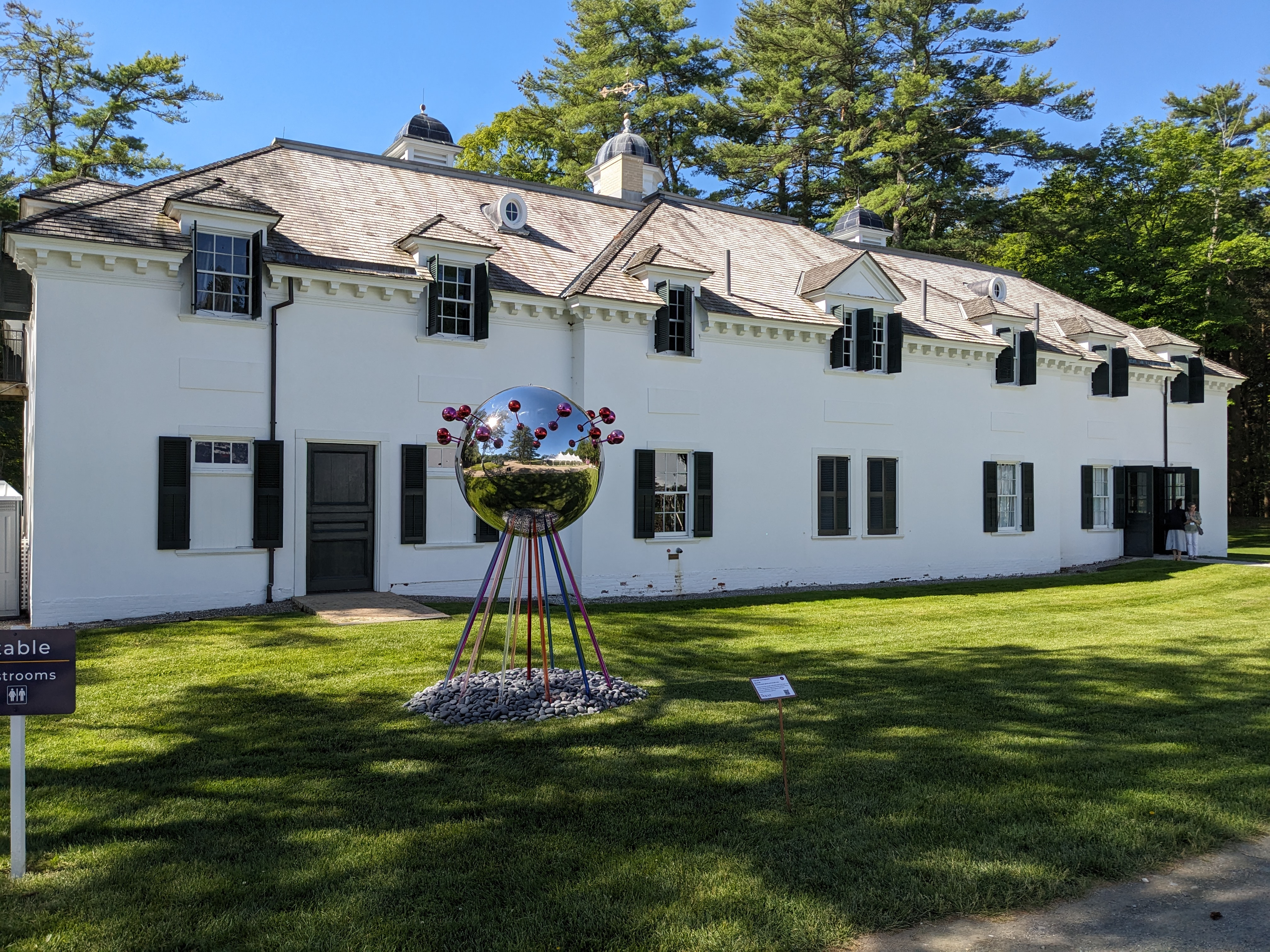
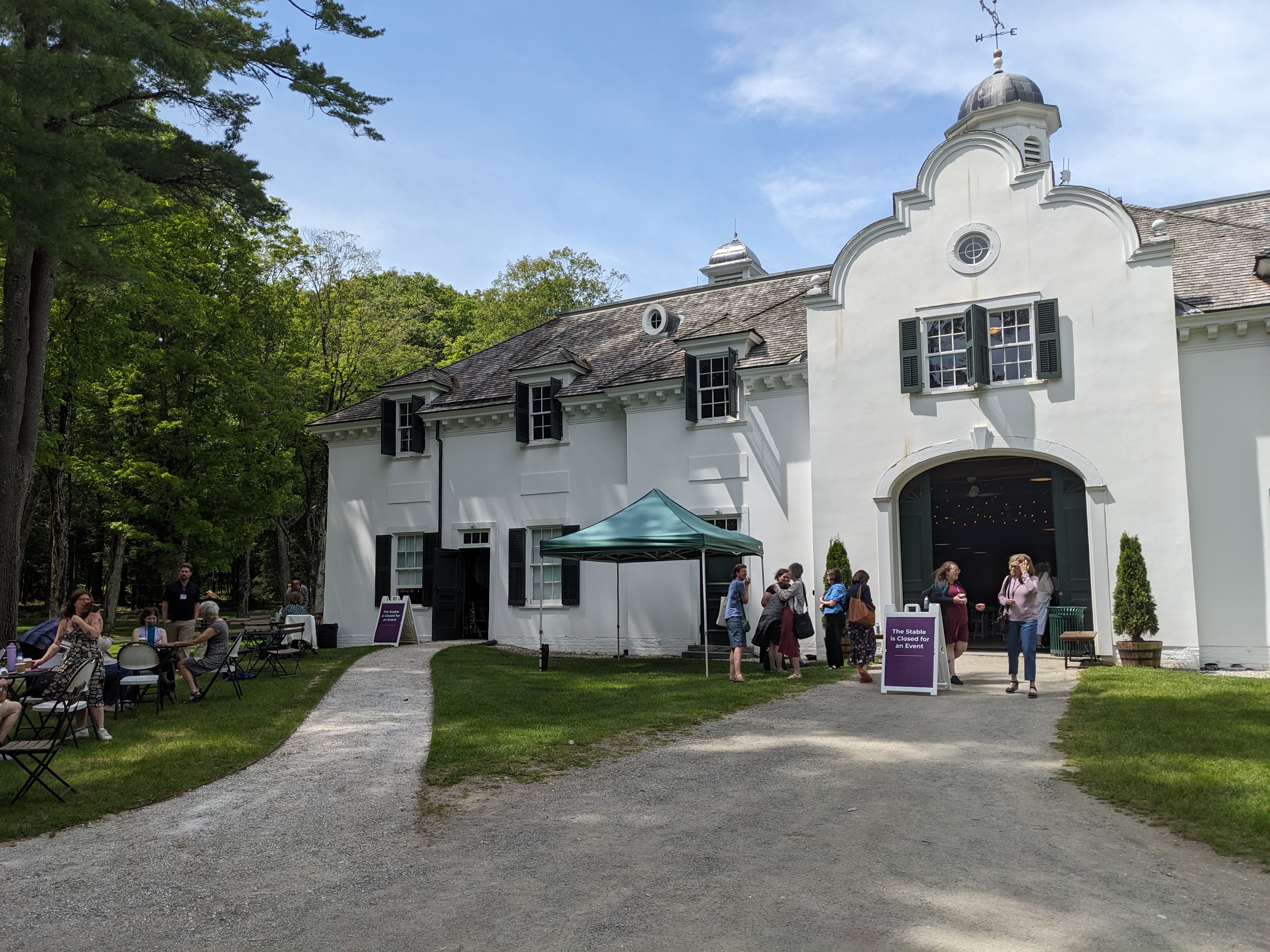
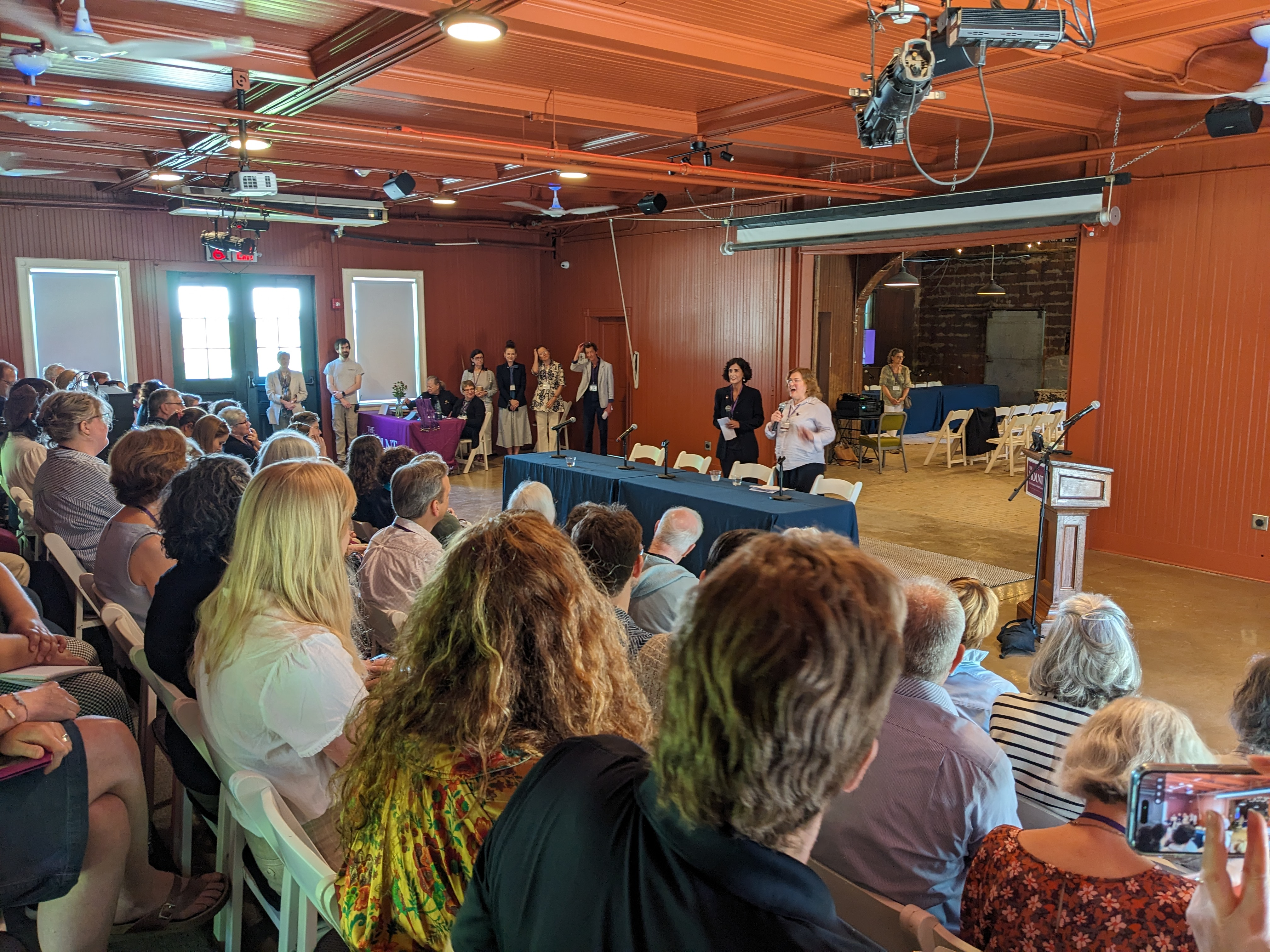
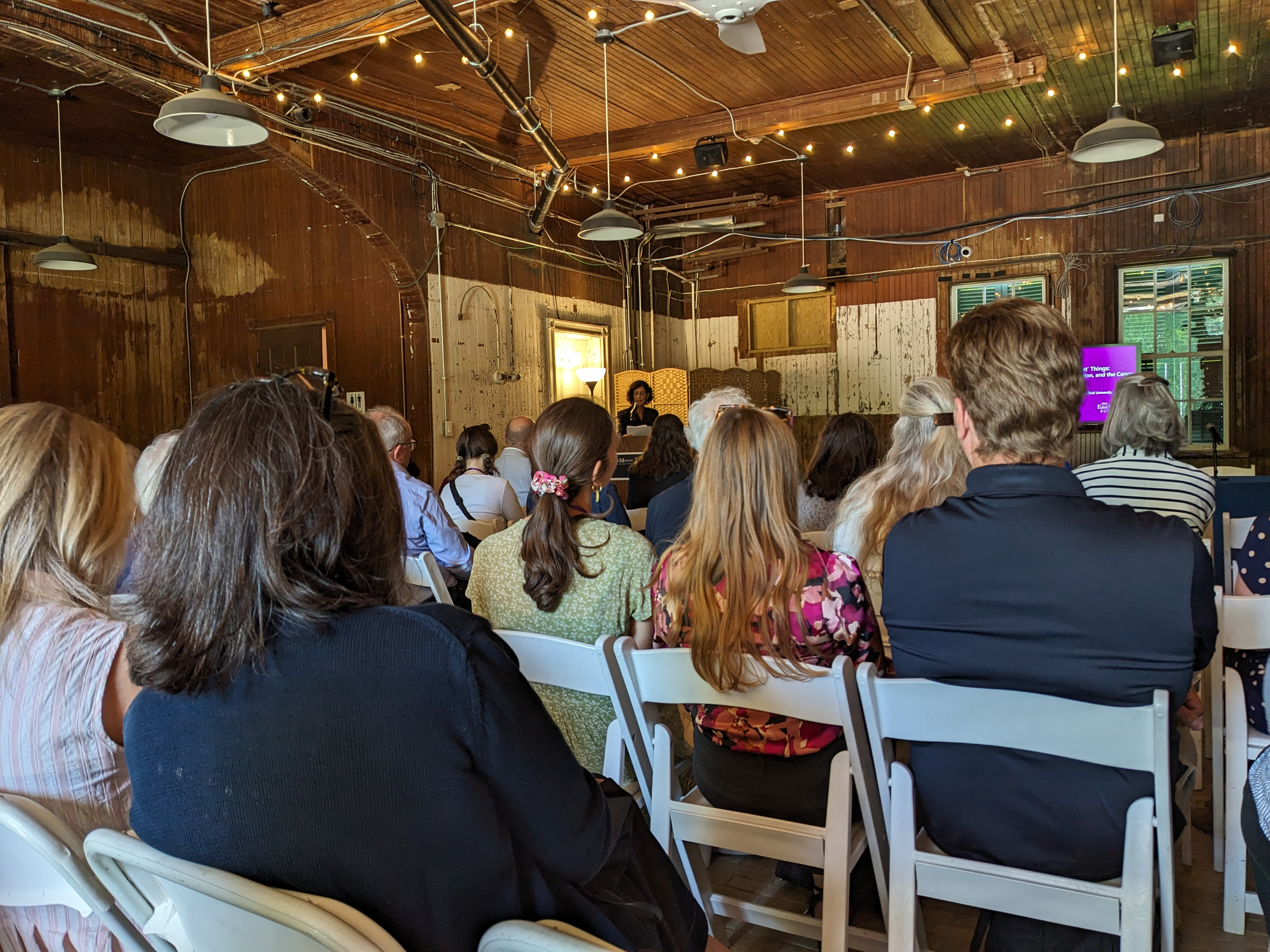
To begin, the many panels and roundtables were hosted in the beautifully restored stable house: some were held in the stable auditorium, while the others were held, simultaneously, in the “carriage wash,” where Edith Wharton’s horses and carriages were routinely cleaned. This imposing building served as home base for the majority of the event’s programming, as well as for breaks for lunch and refreshments. Some titles of the panels I myself personally attended include: “Architecture and Archaeology;” “Natural and Built Environments;” “Mapping Time and Space;” “The Novels: New Approaches;” and “Adaptations.” These scholarly, masterful panels reflected new perspectives on Wharton’s work, most of which are meant to be published in a special double issue of The Edith Wharton Review, in the fall (though, don’t quote me on this one). Each presenter spoke with poise and confidence, graciously taking questions at the end of each panel.
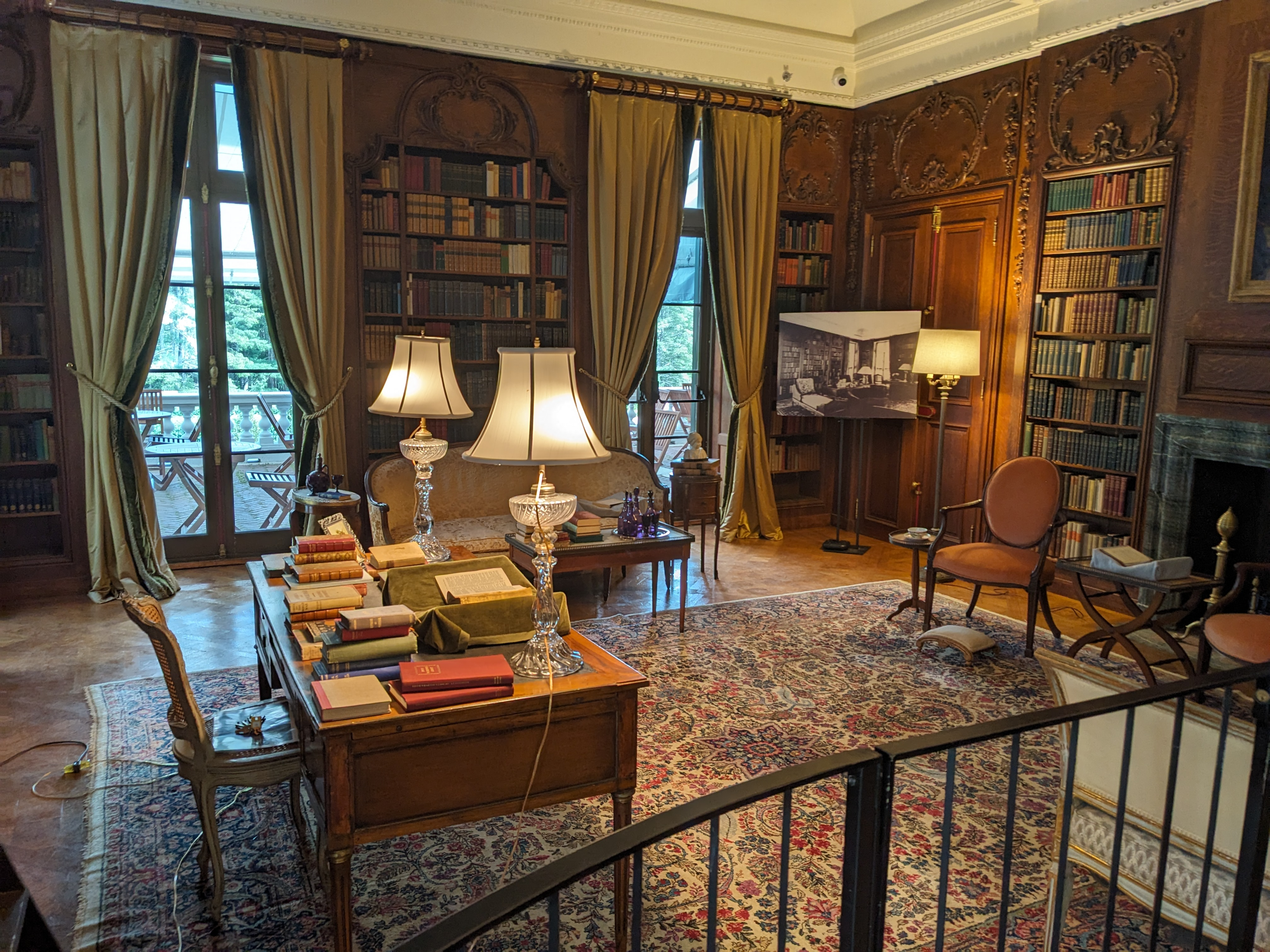
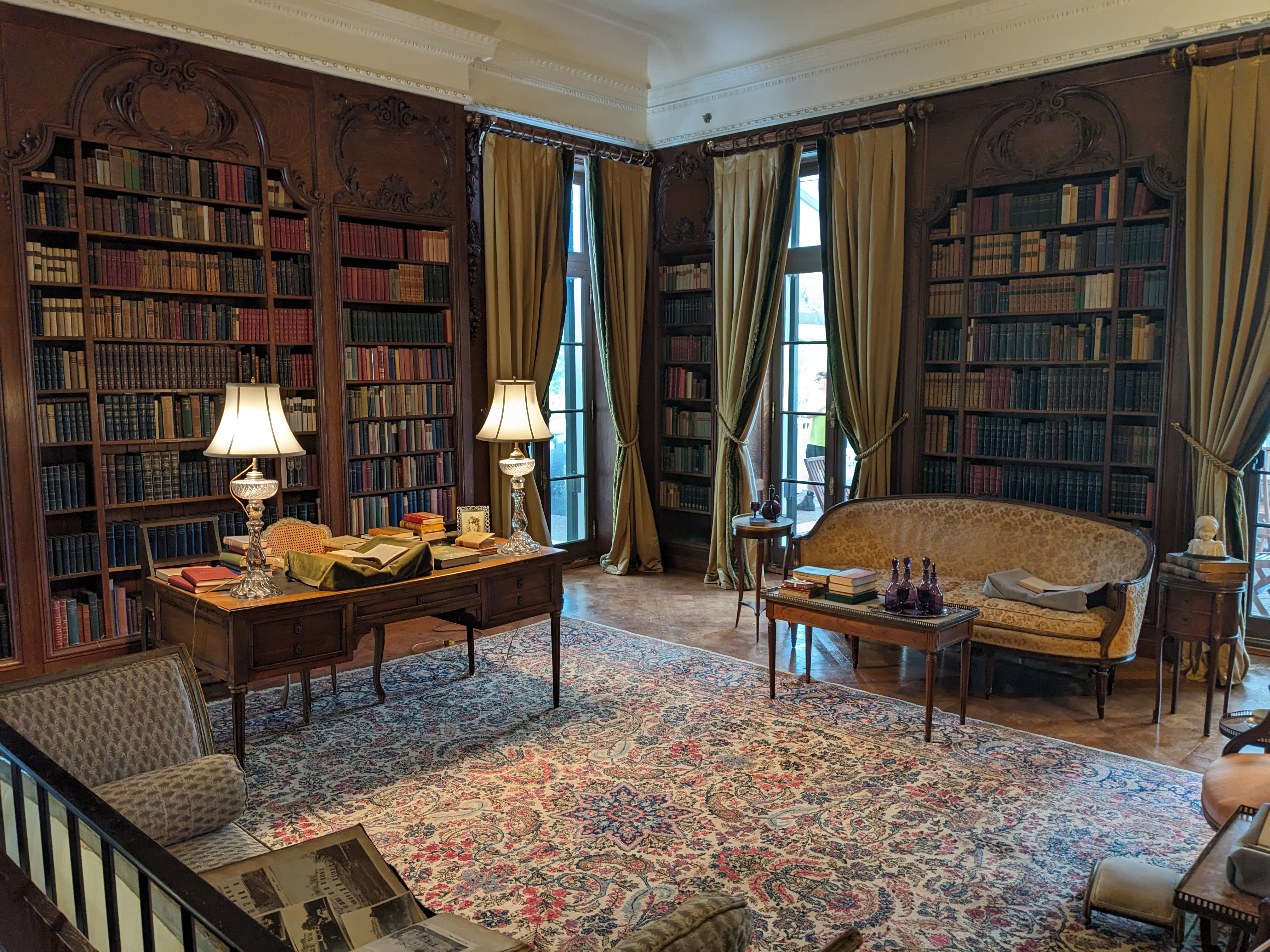
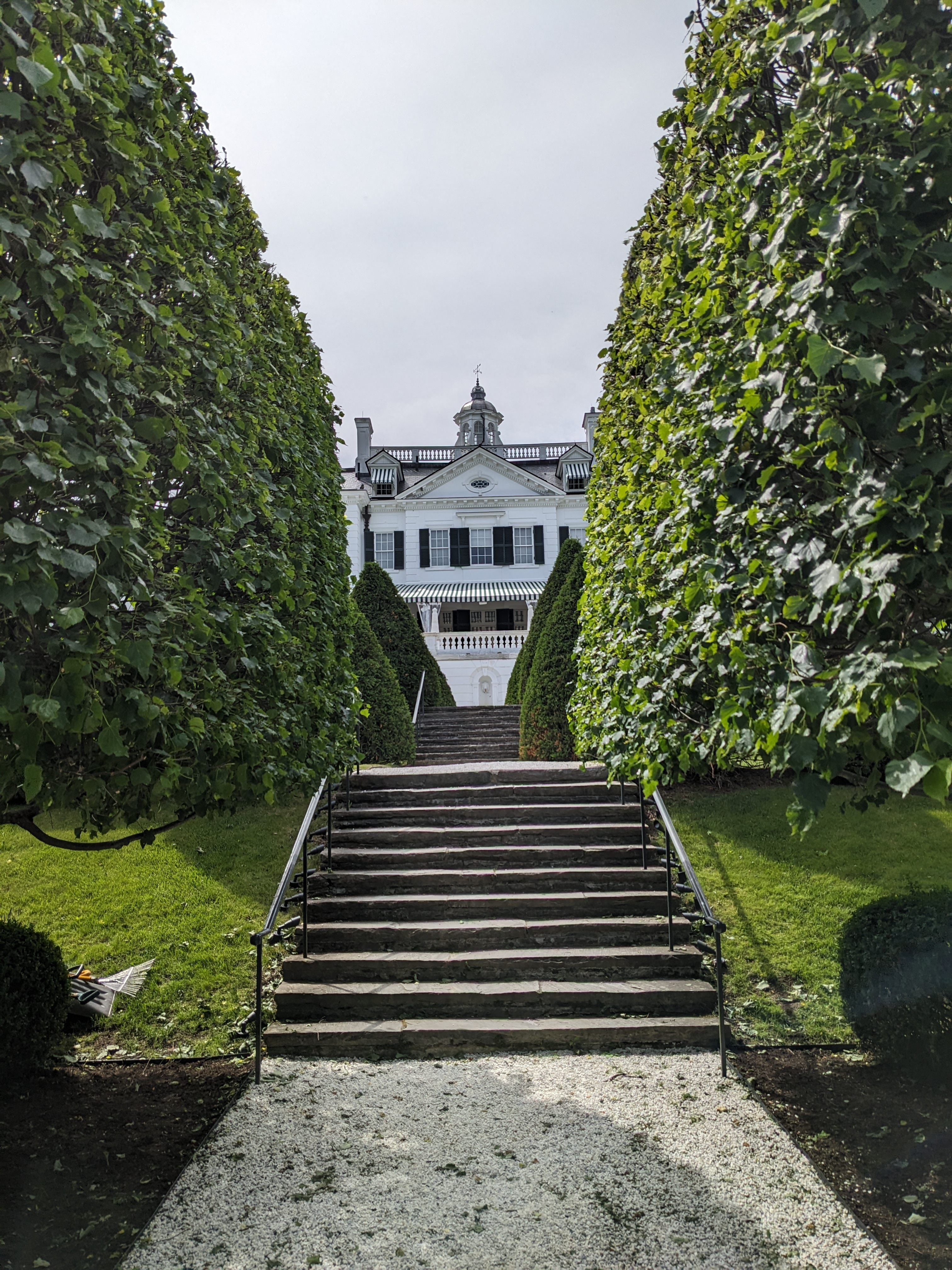
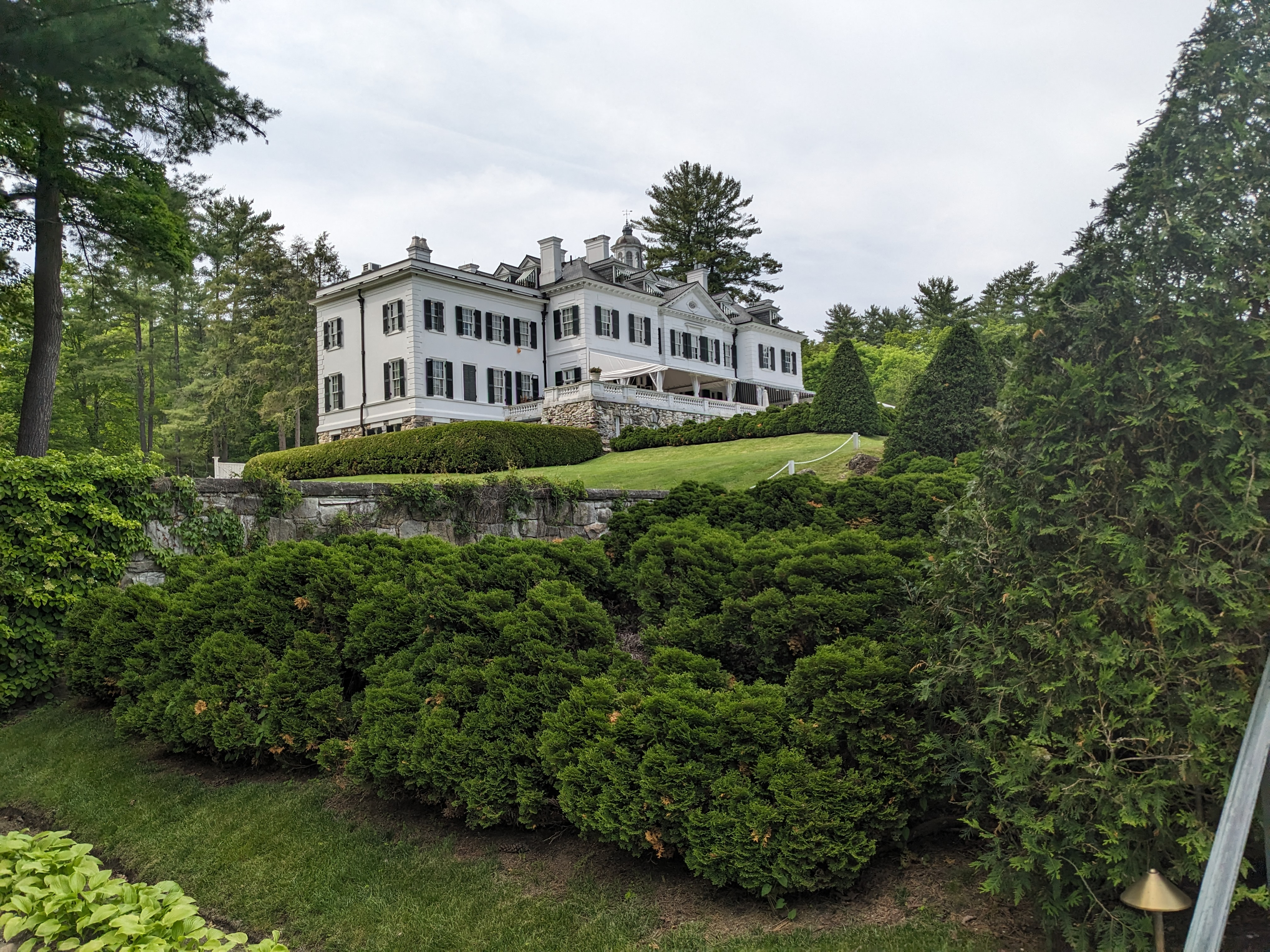
Following the first two panels/roundtables of the day, I decided to go for a reflective stroll through the grounds. It had been seventeen years since my first, and last, visit to The Mount; but how I remembered the joy of seeing Wharton’s mansion just around the wooded bend, connecting participants between mansion and stable house. Upon entering, one is greeted with an elegant entrance hall, followed by servants’ hallways, a kitchen, and a tastefully appointed gift and bookshop, full of Wharton- and literary-themed gifts, and many published works from her oeuvre. Taking the main stairs, one is greeted by the long, bright gallery, with mirrors, plush seating, and period statuary. Immediately ahead is Teddy Wharton’s study, follow by Edith’s library (more on that in a bit), the drawing room, and dining room, which spills out onto the open-air terrace. The second level includes Wharton’s bedroom, where she wrote much of her work in bed, including The House of Mirth and Ethan Frome, and other various rooms filled with exhibits about her life and works.
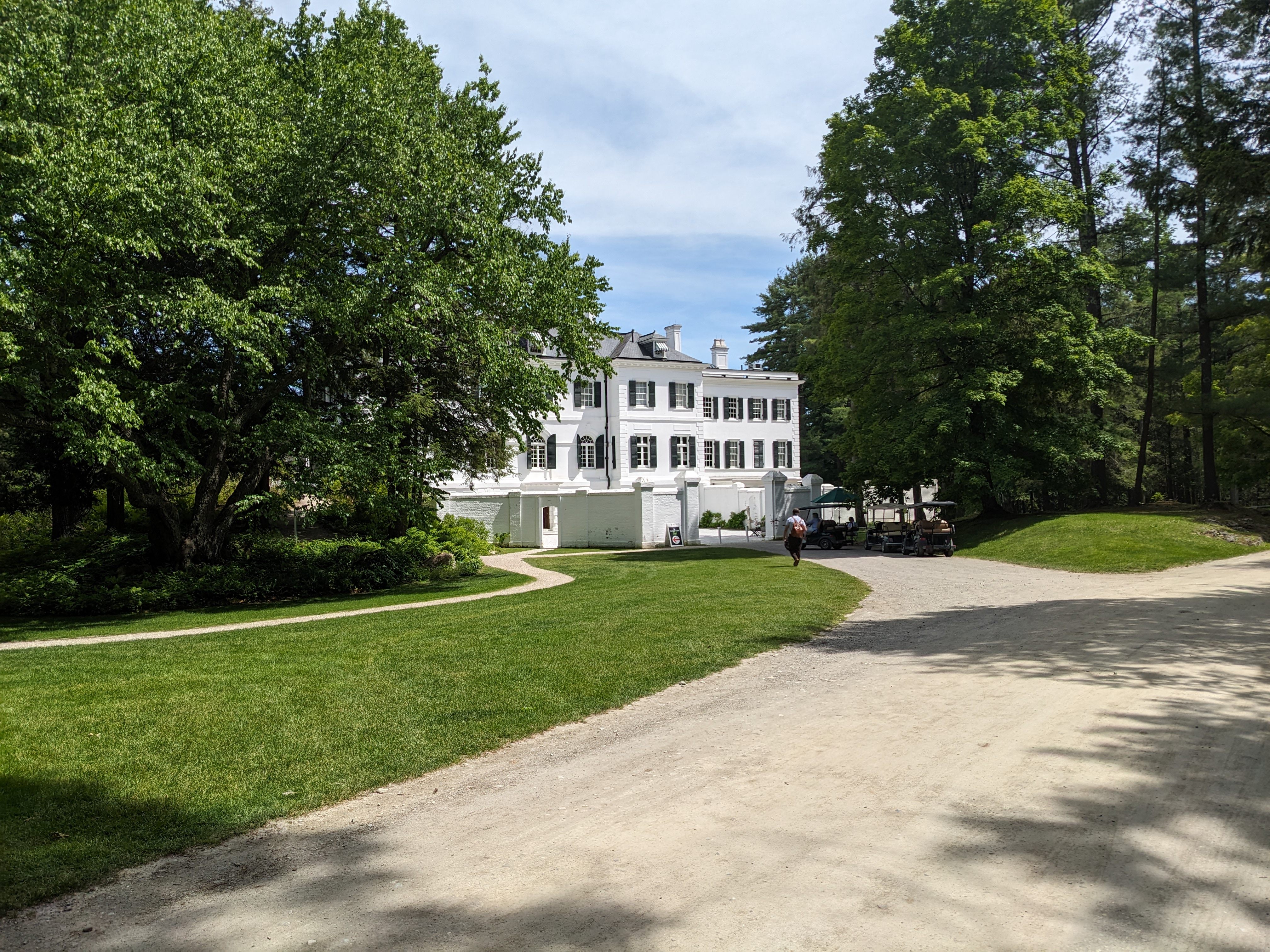
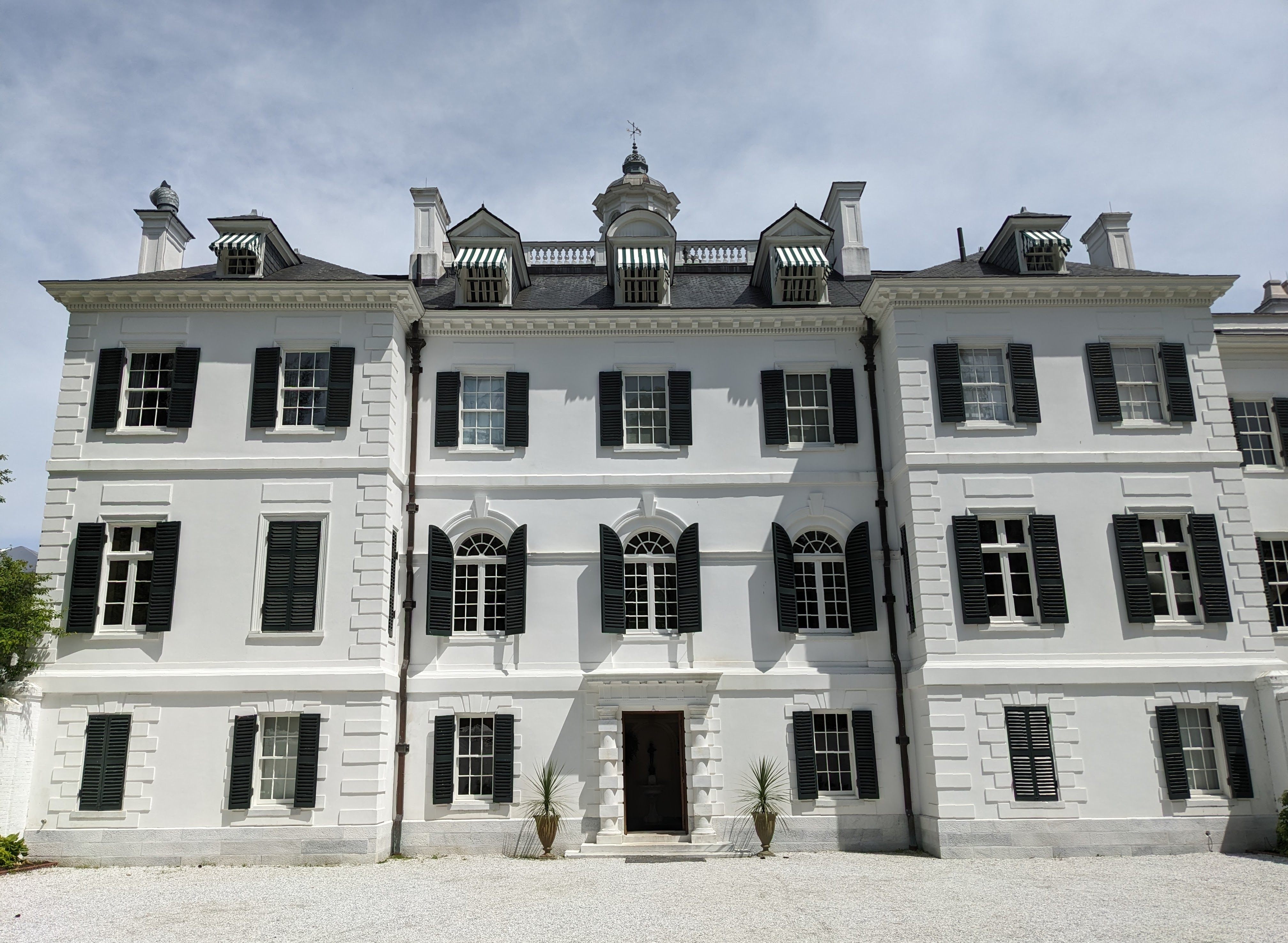
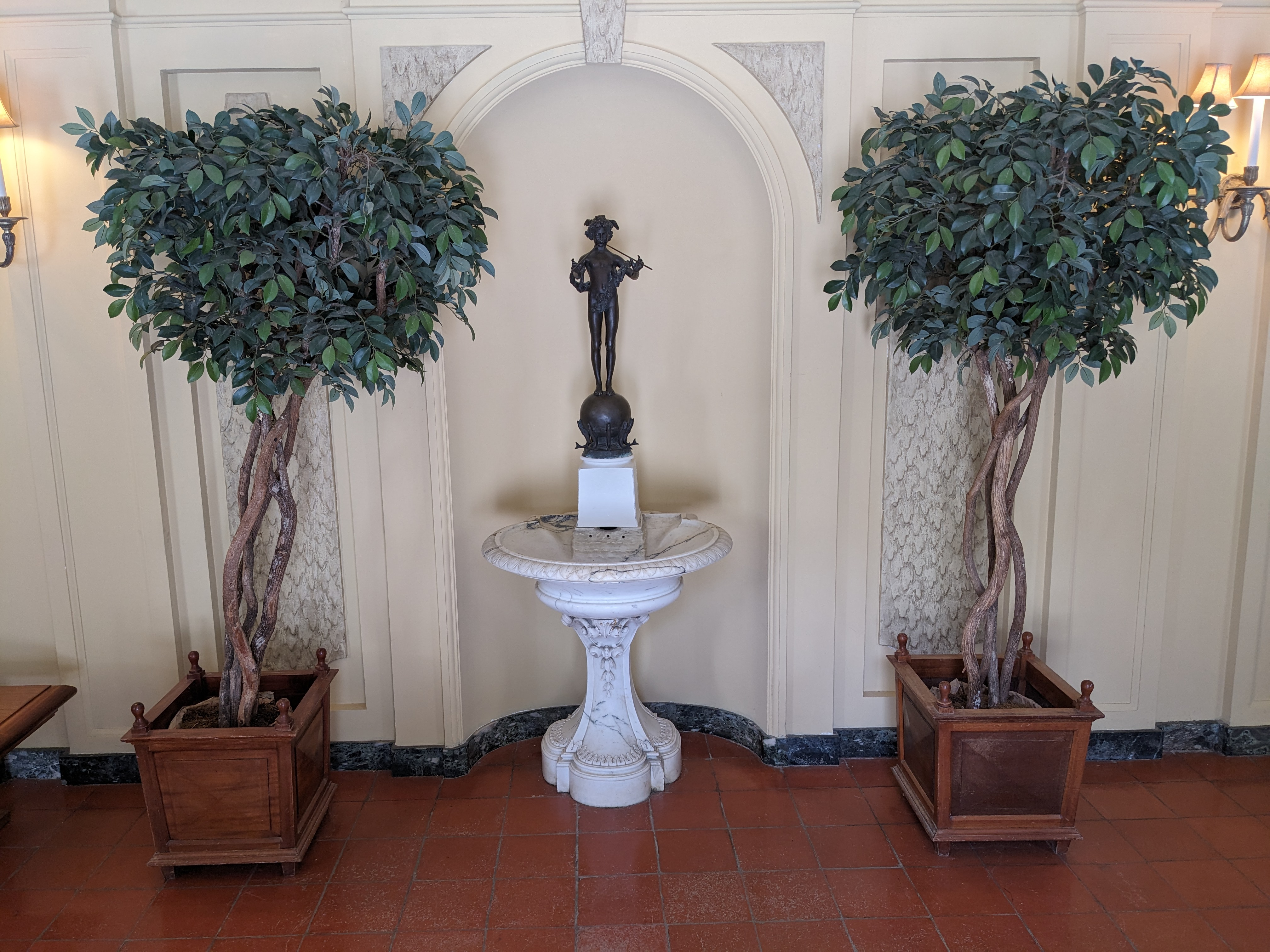
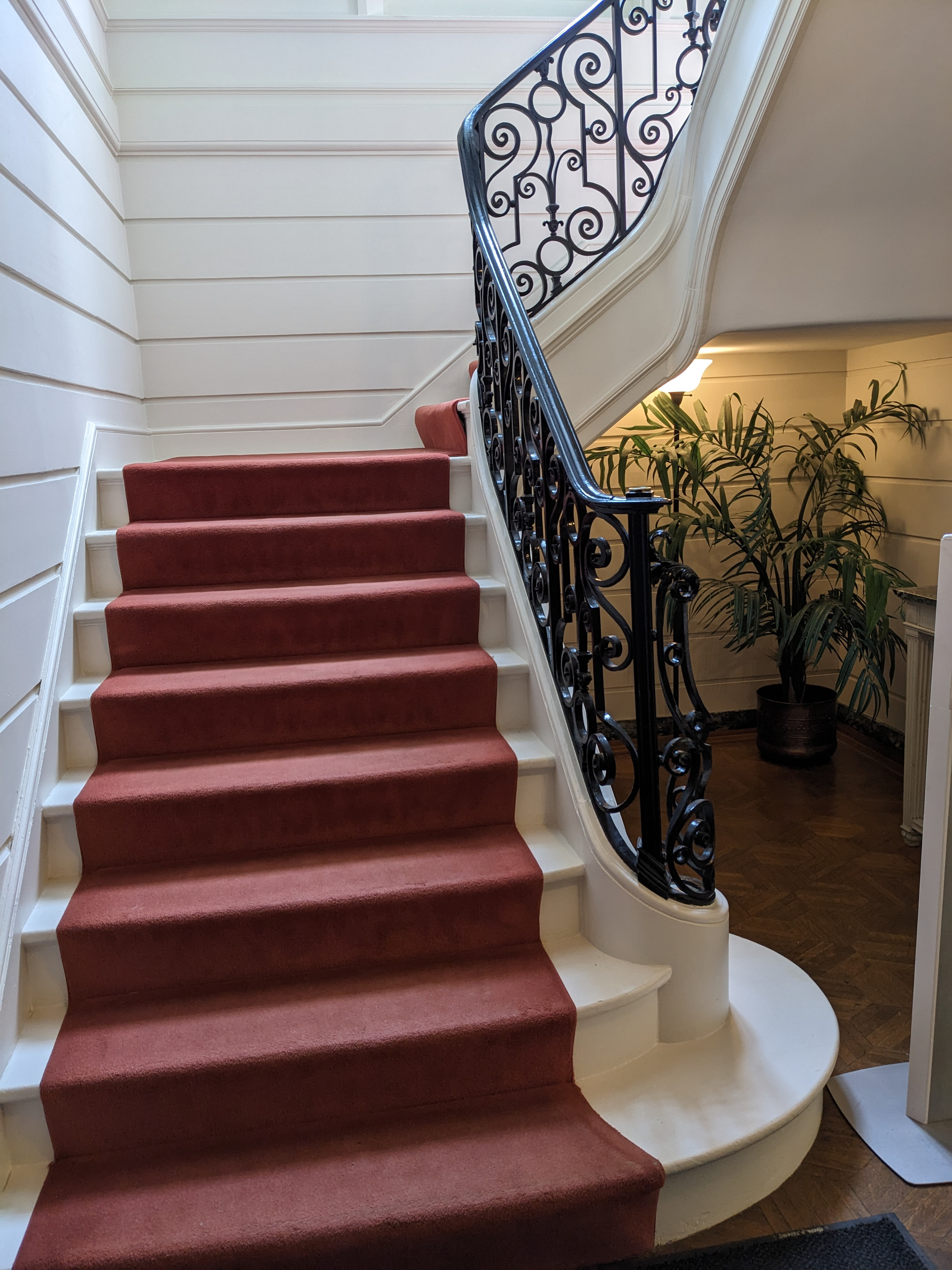
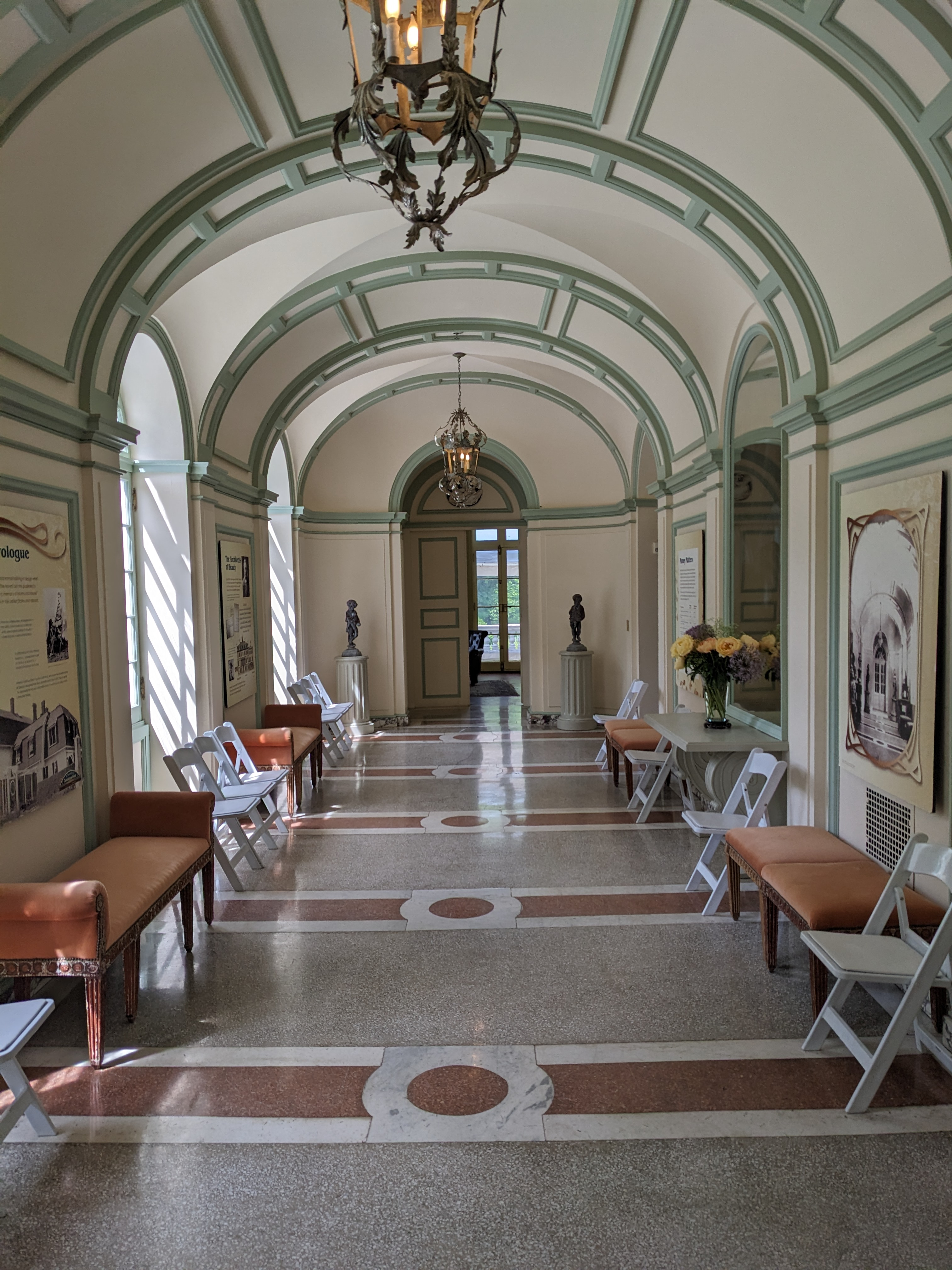
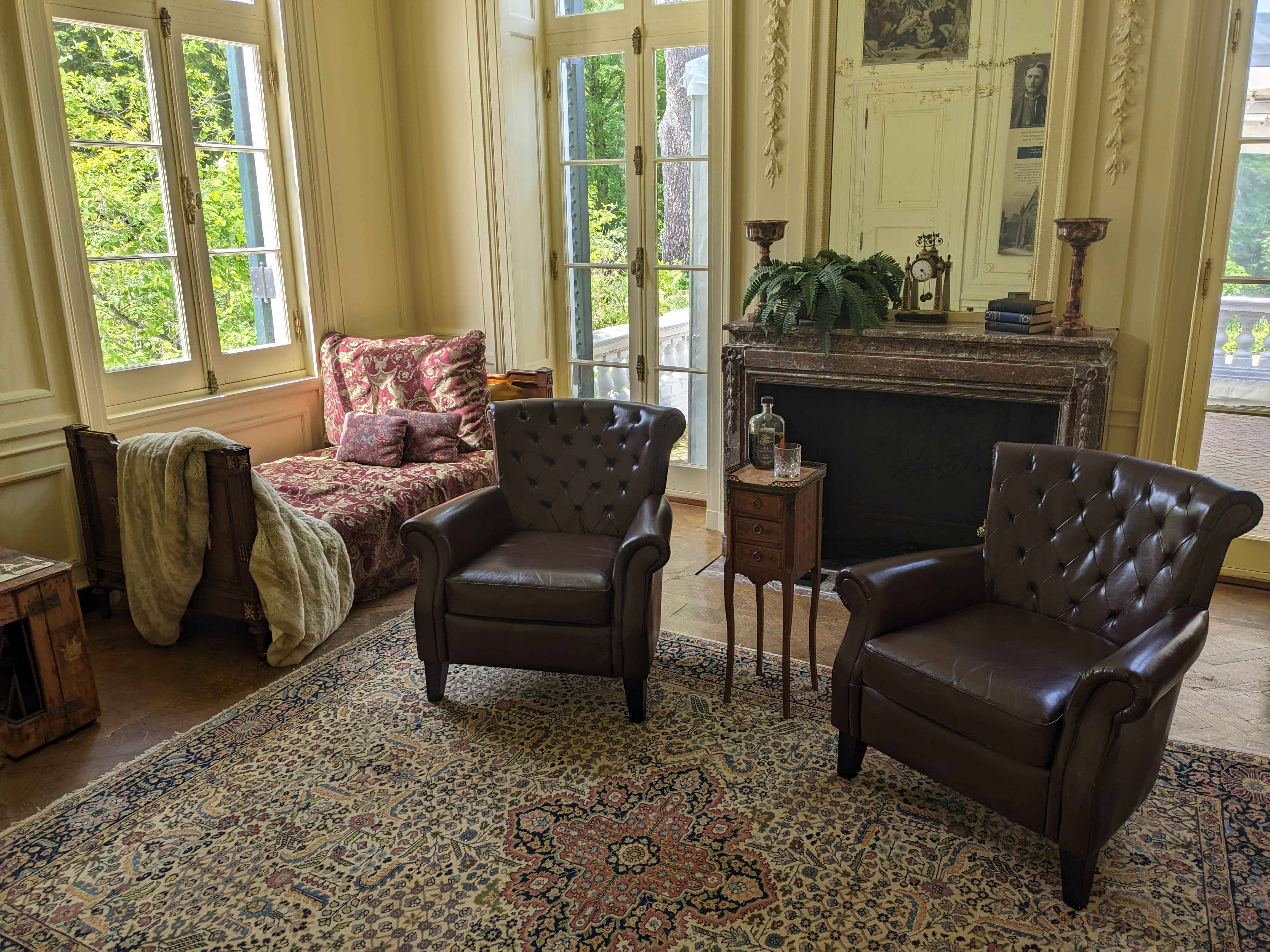
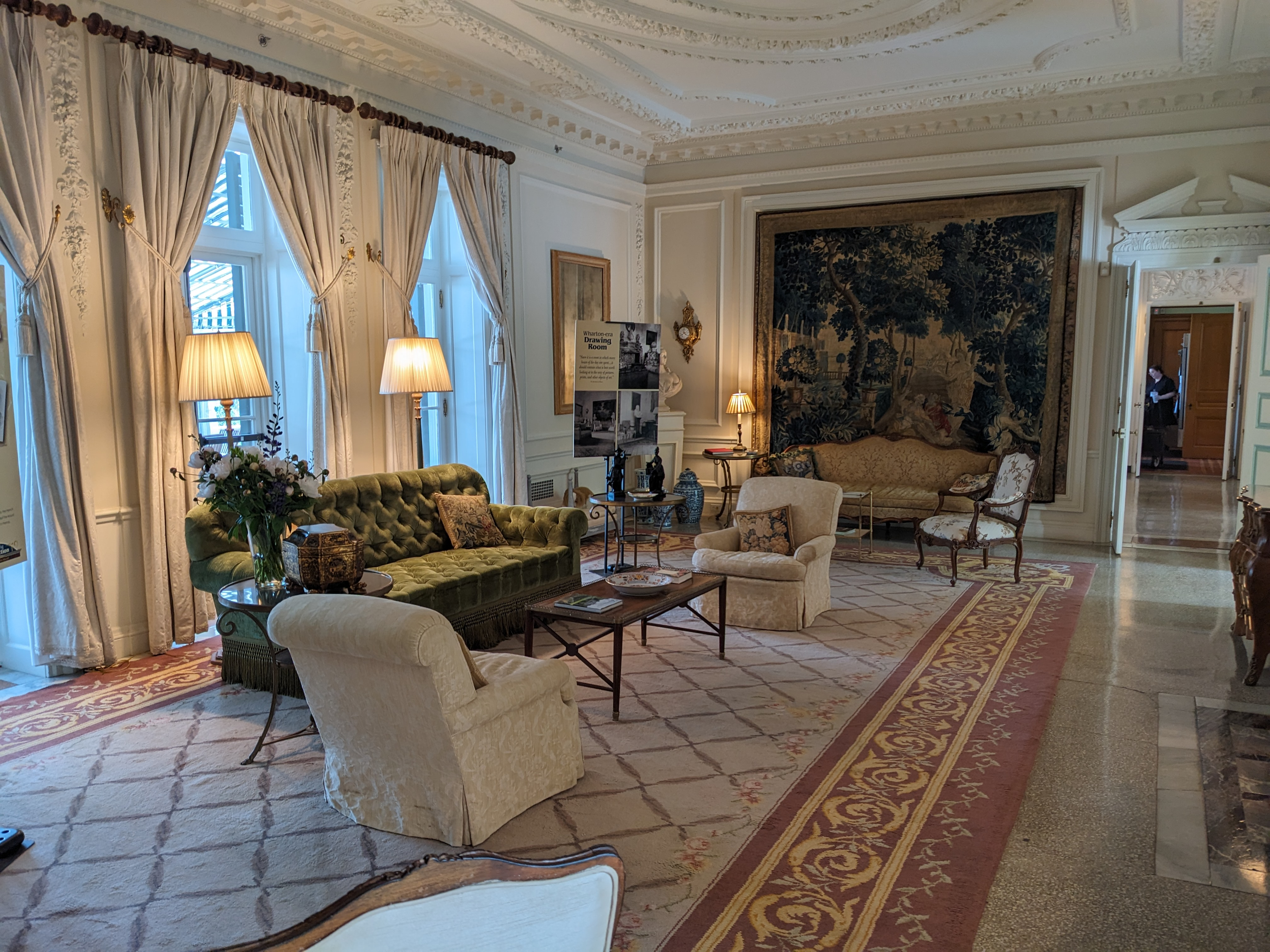
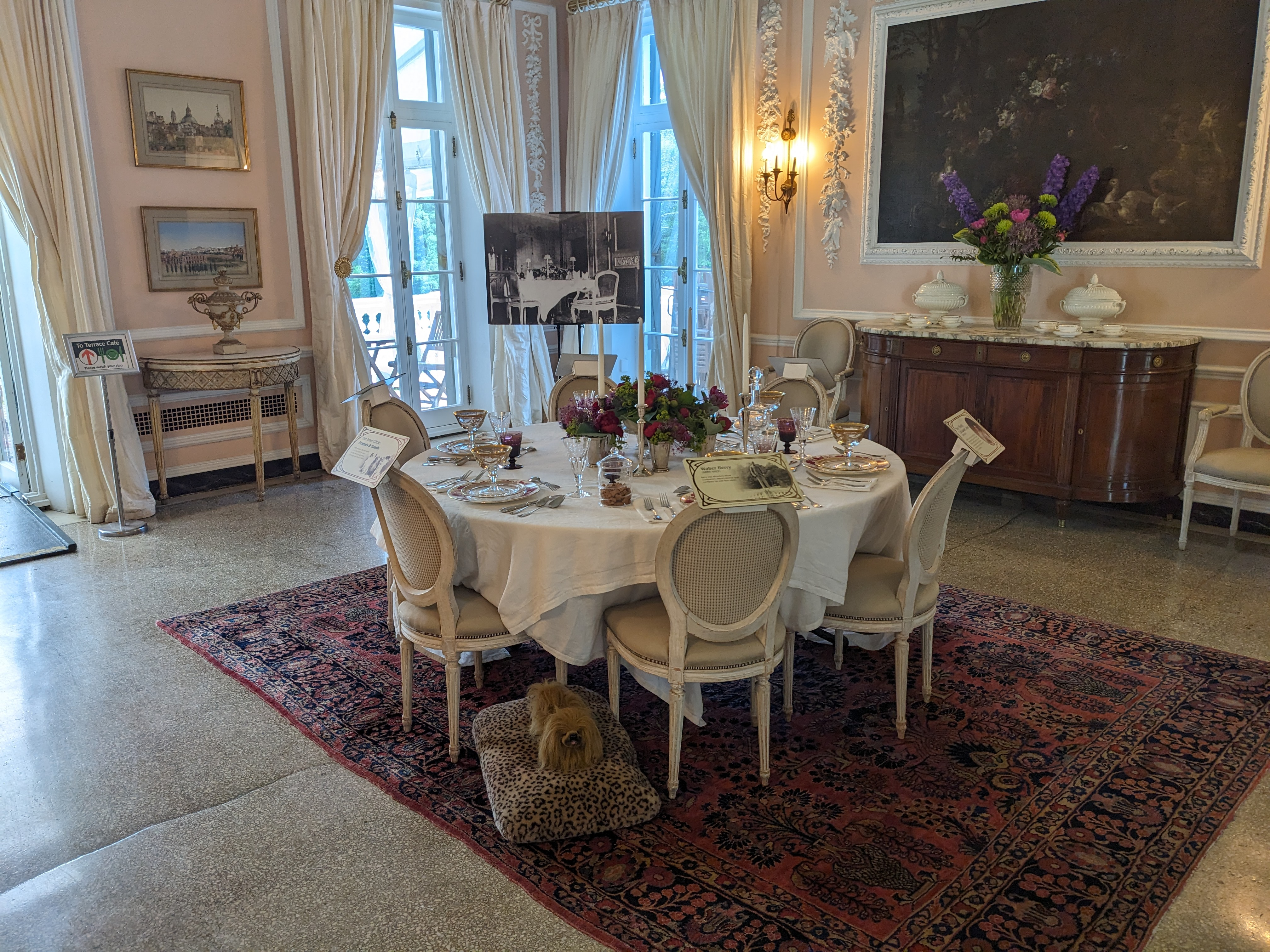
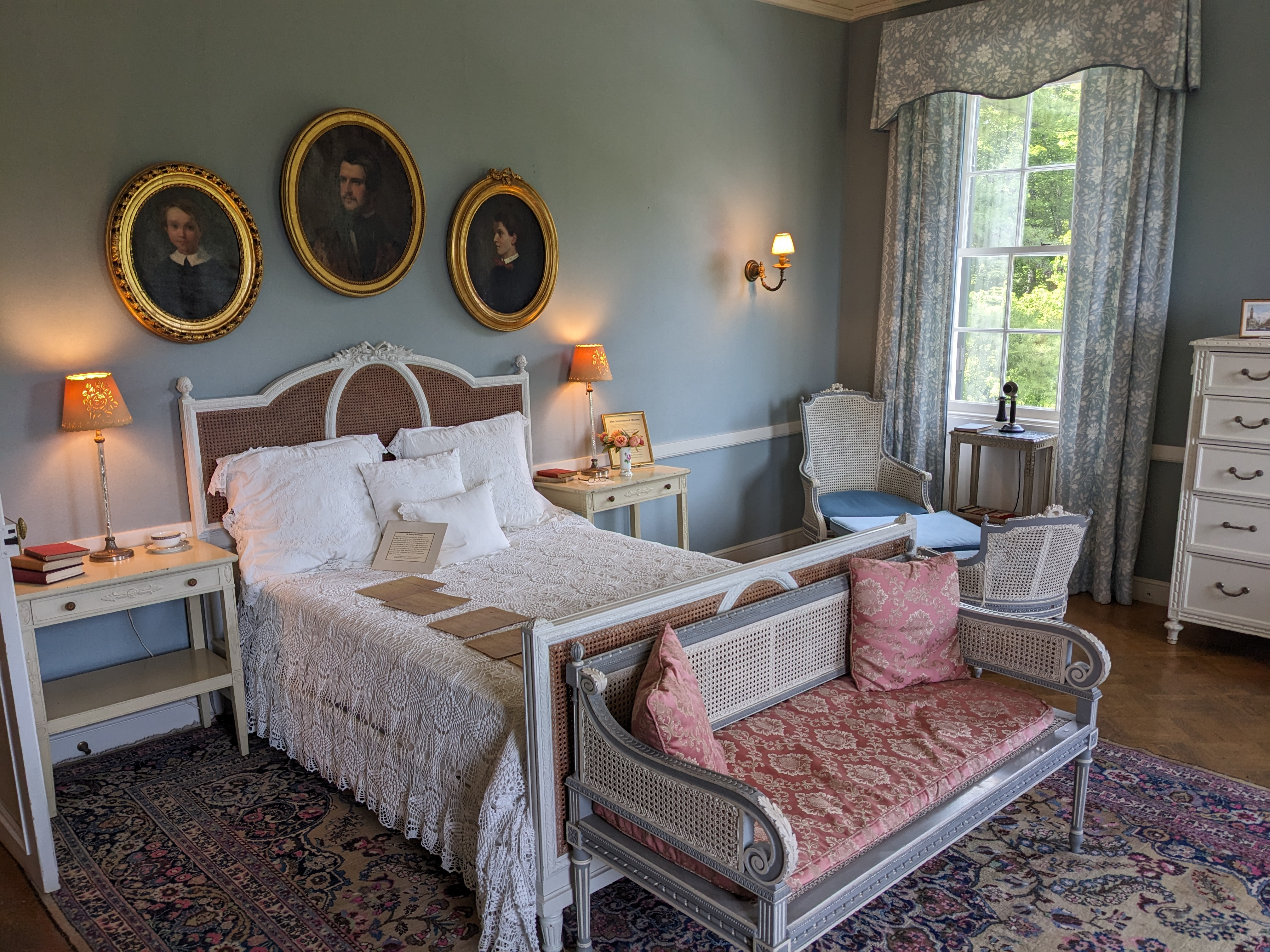
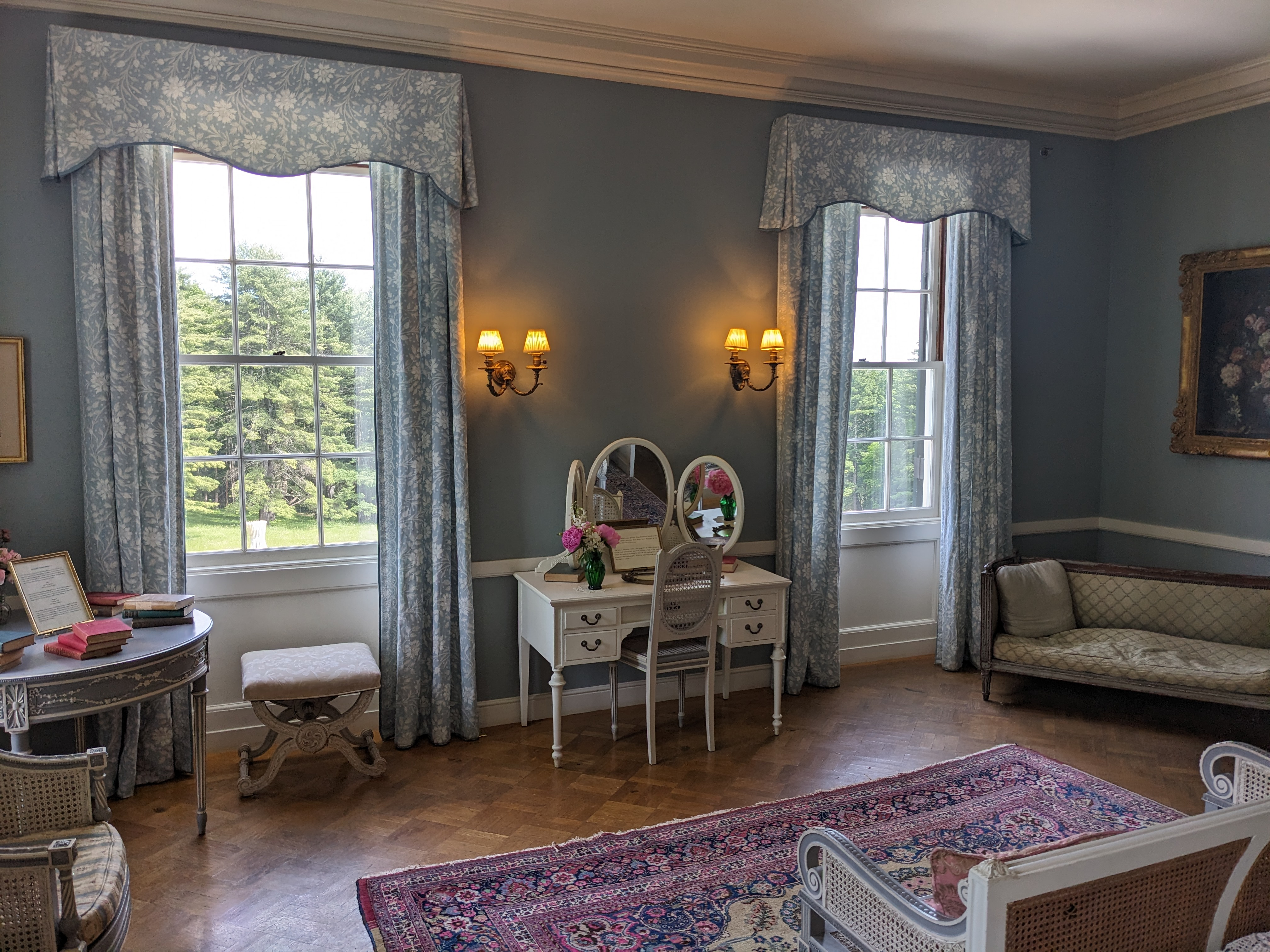
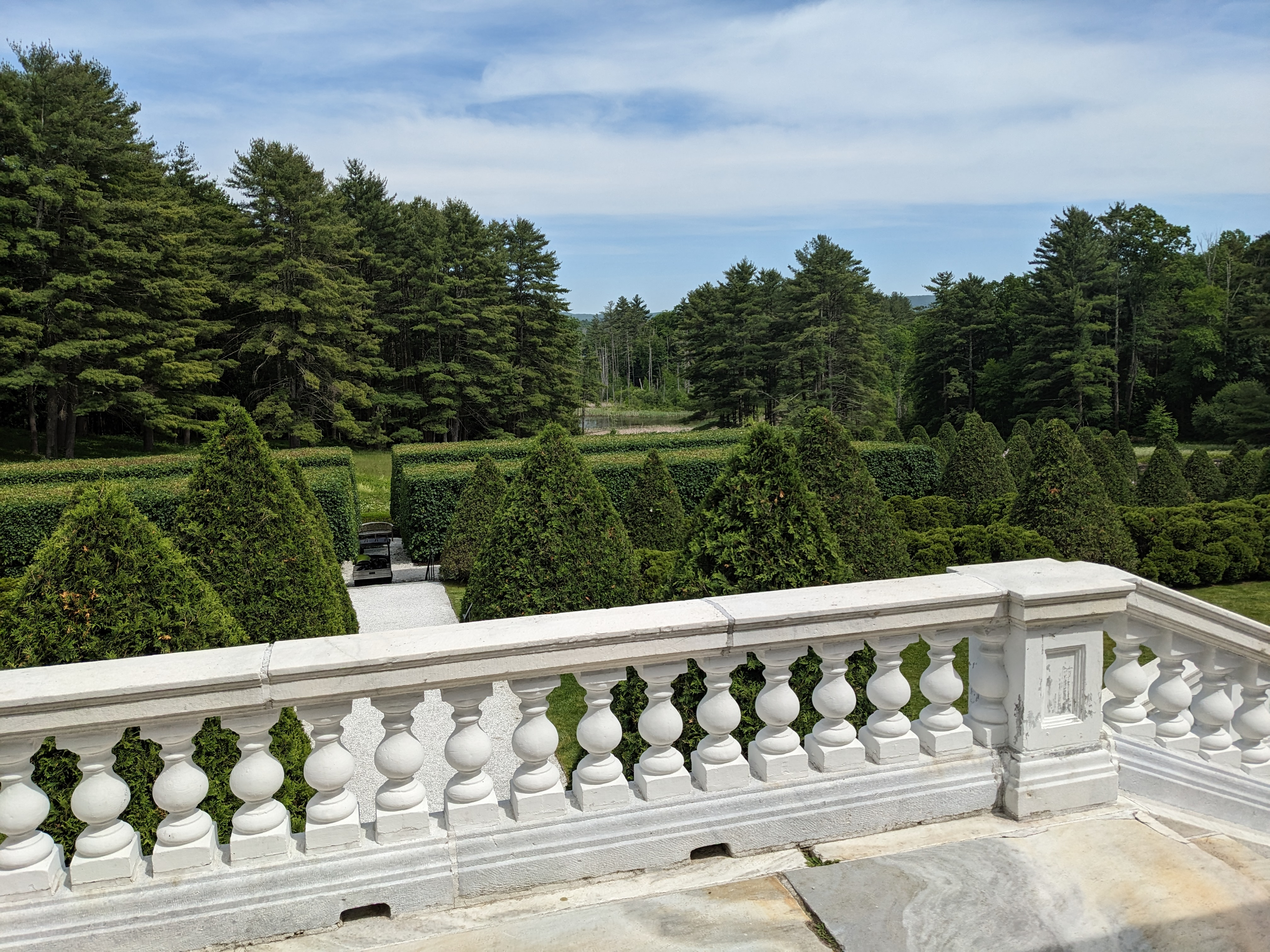
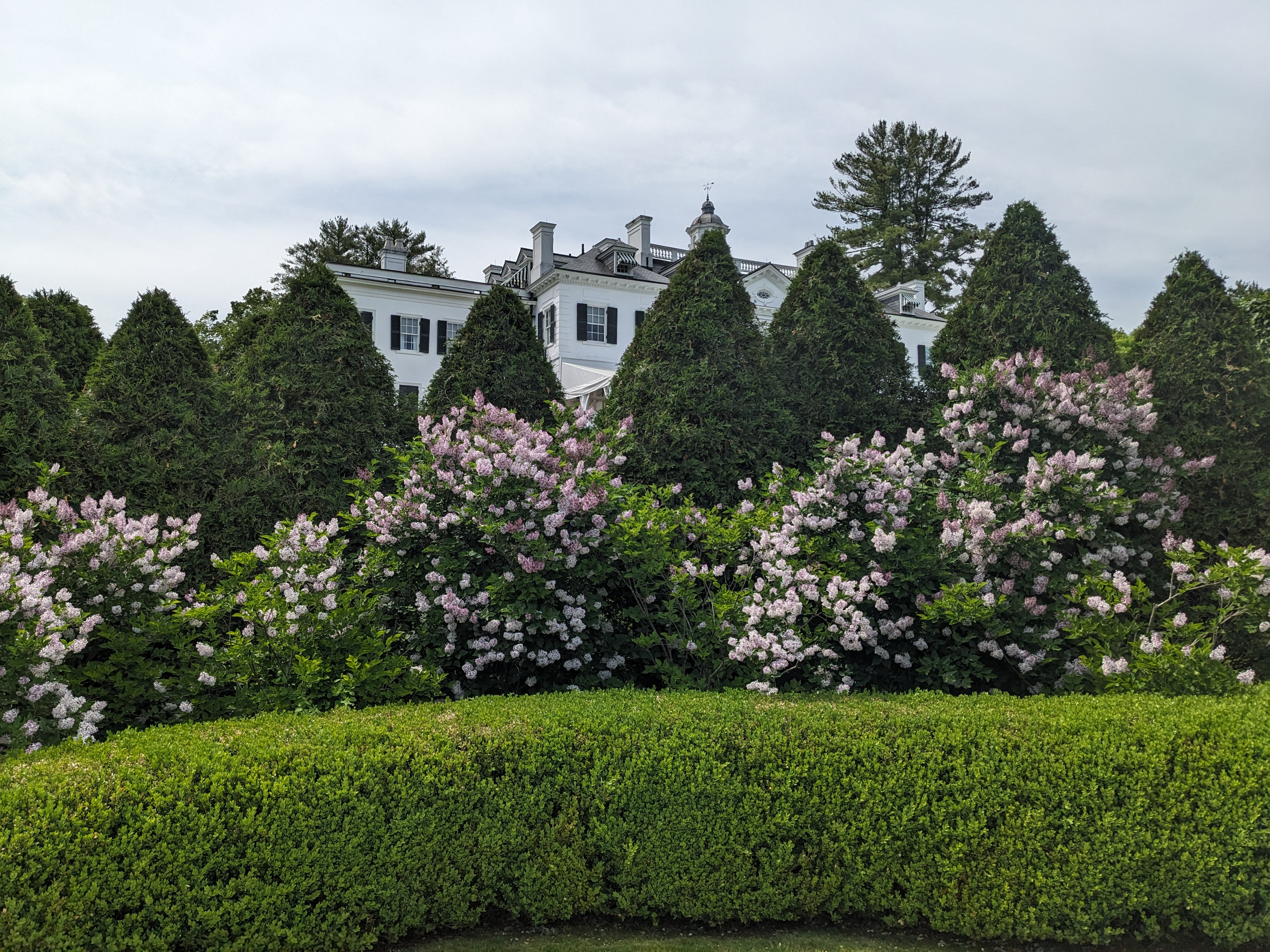
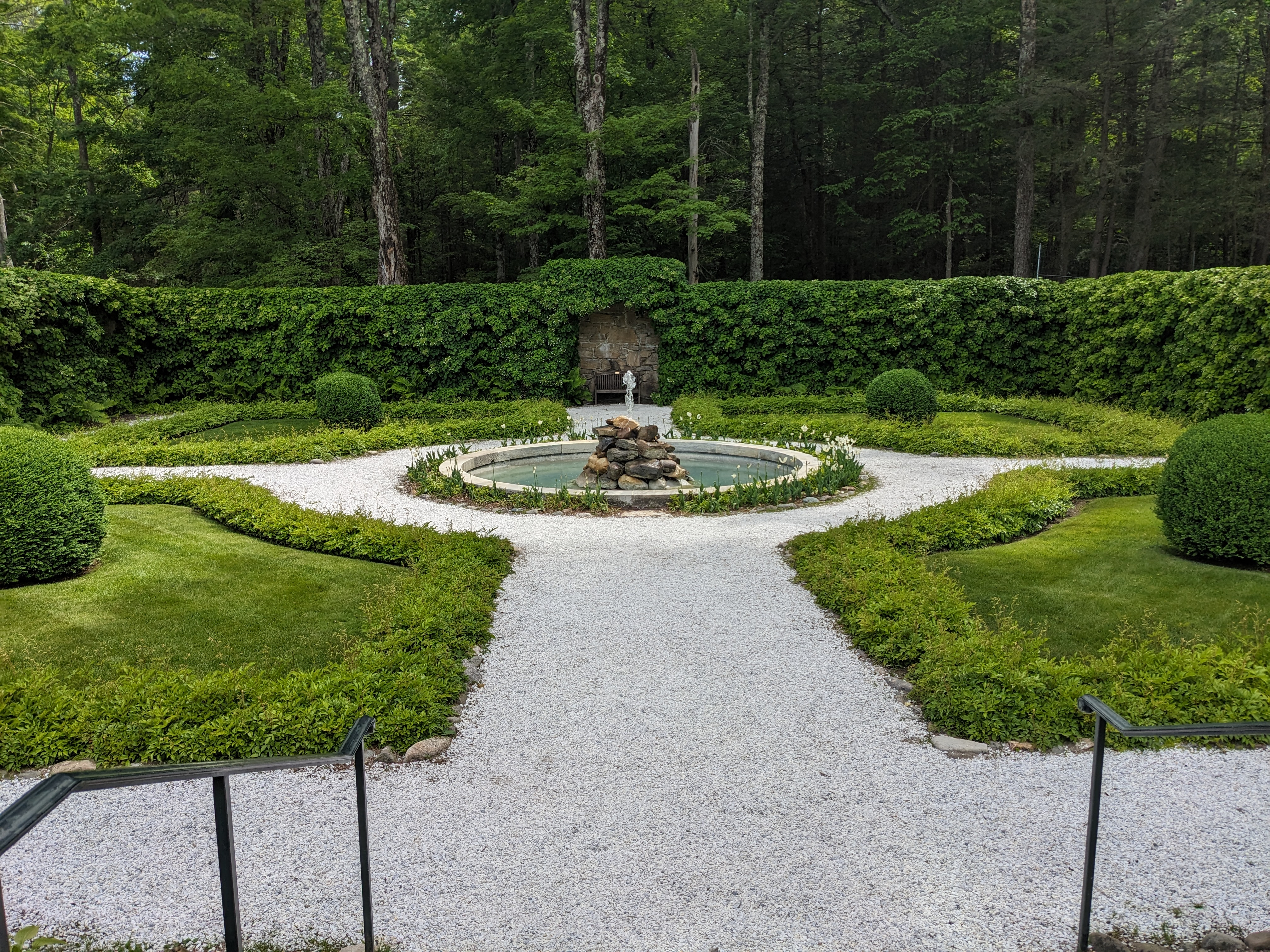
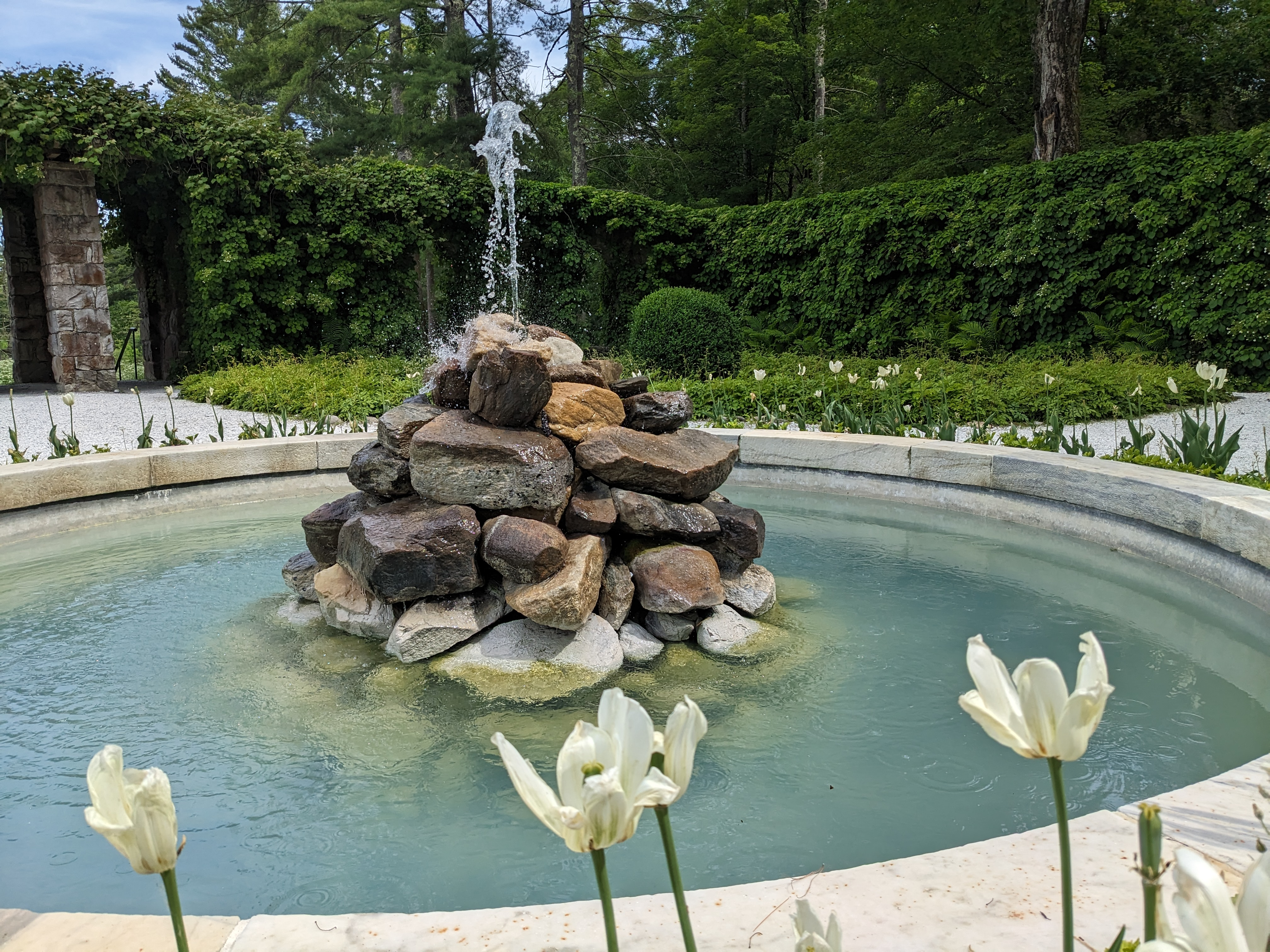
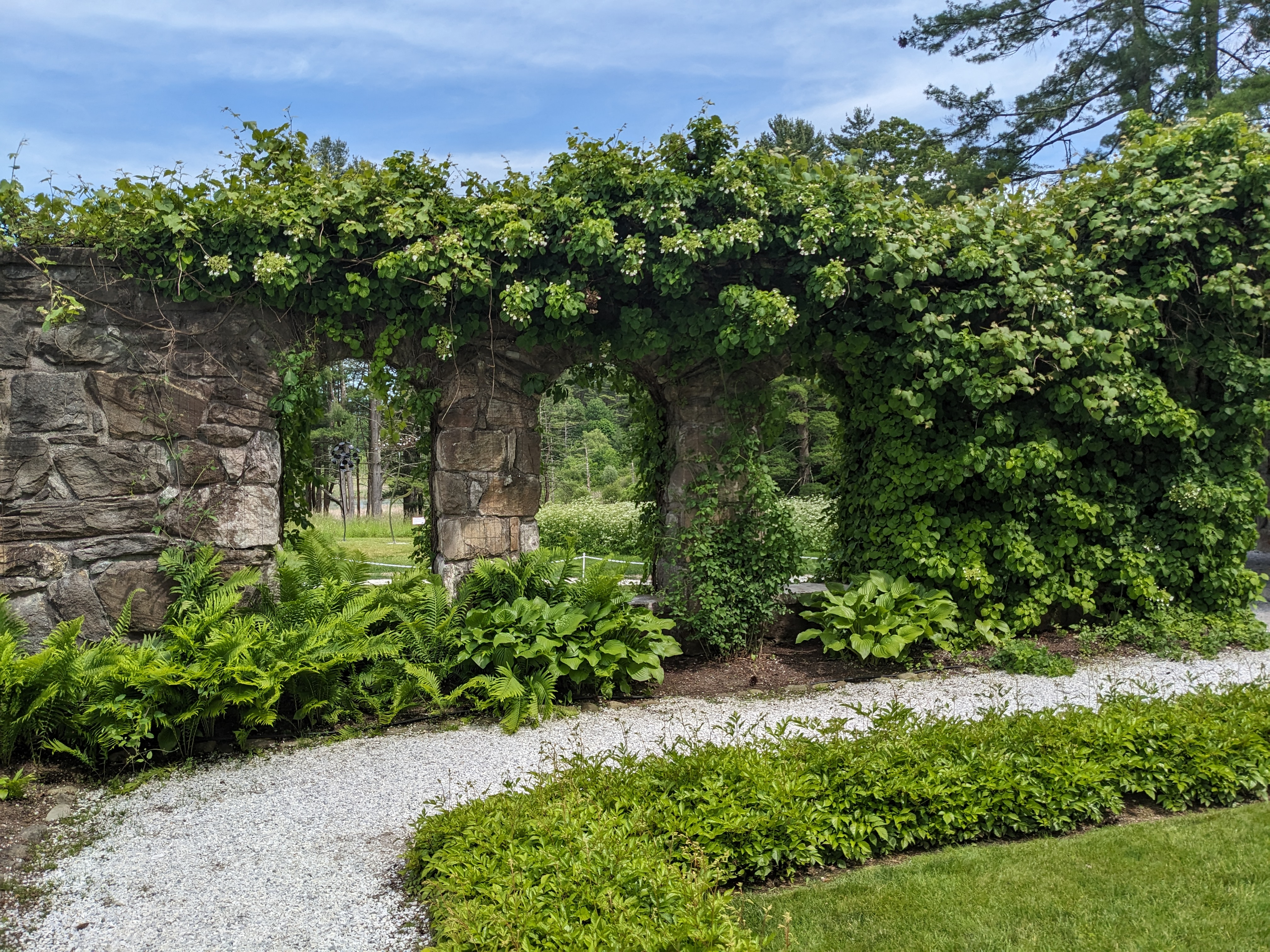
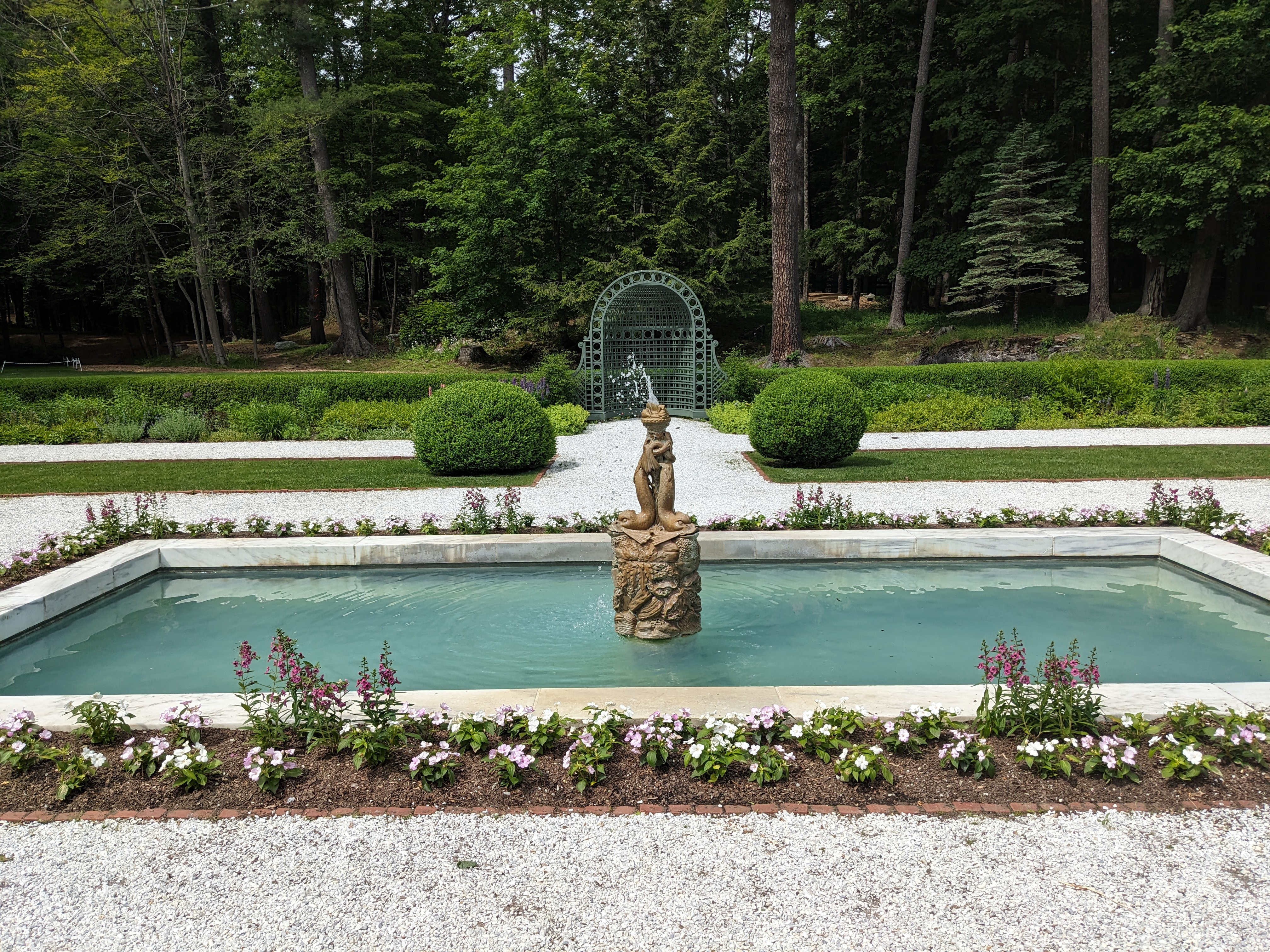
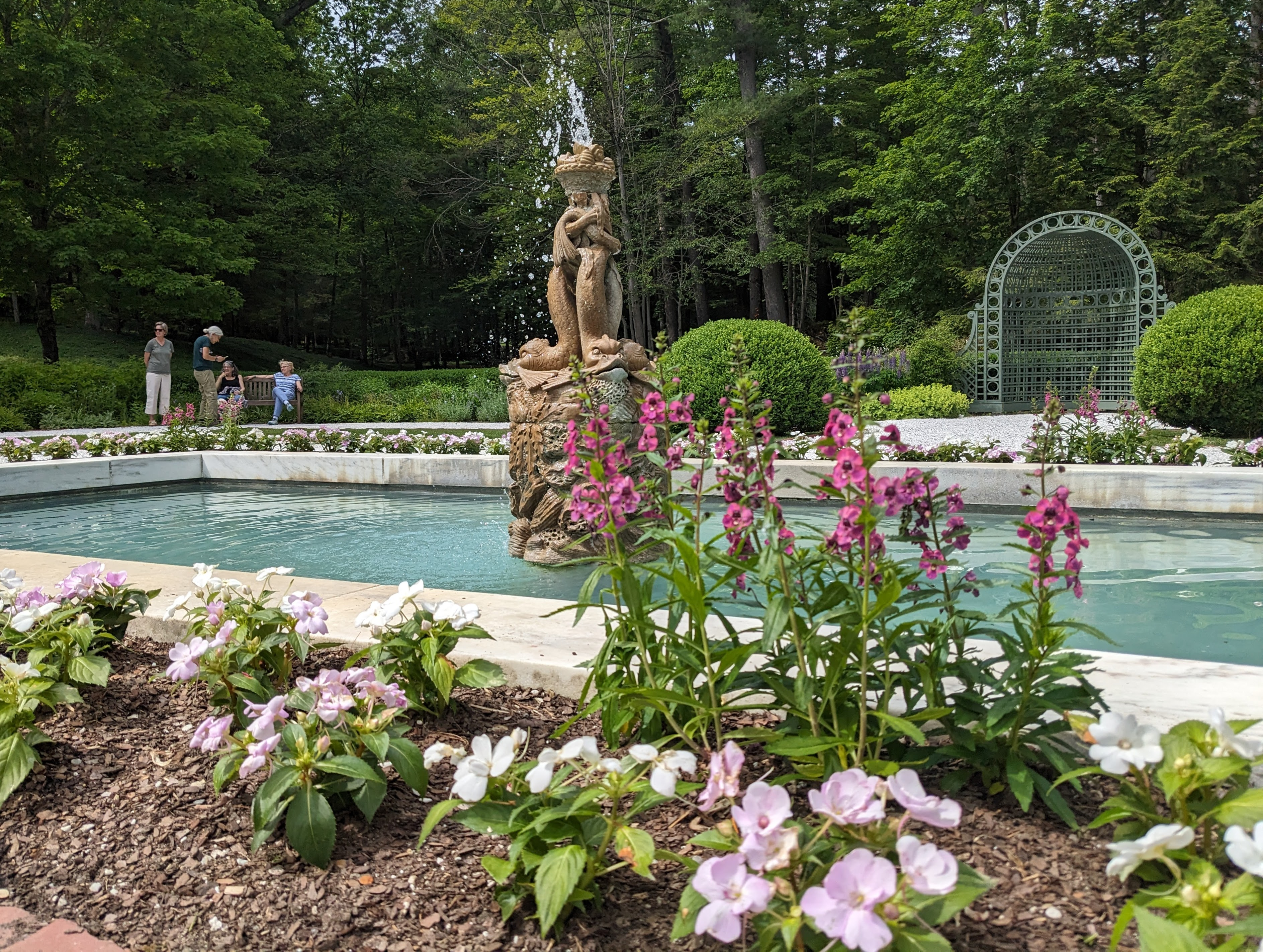
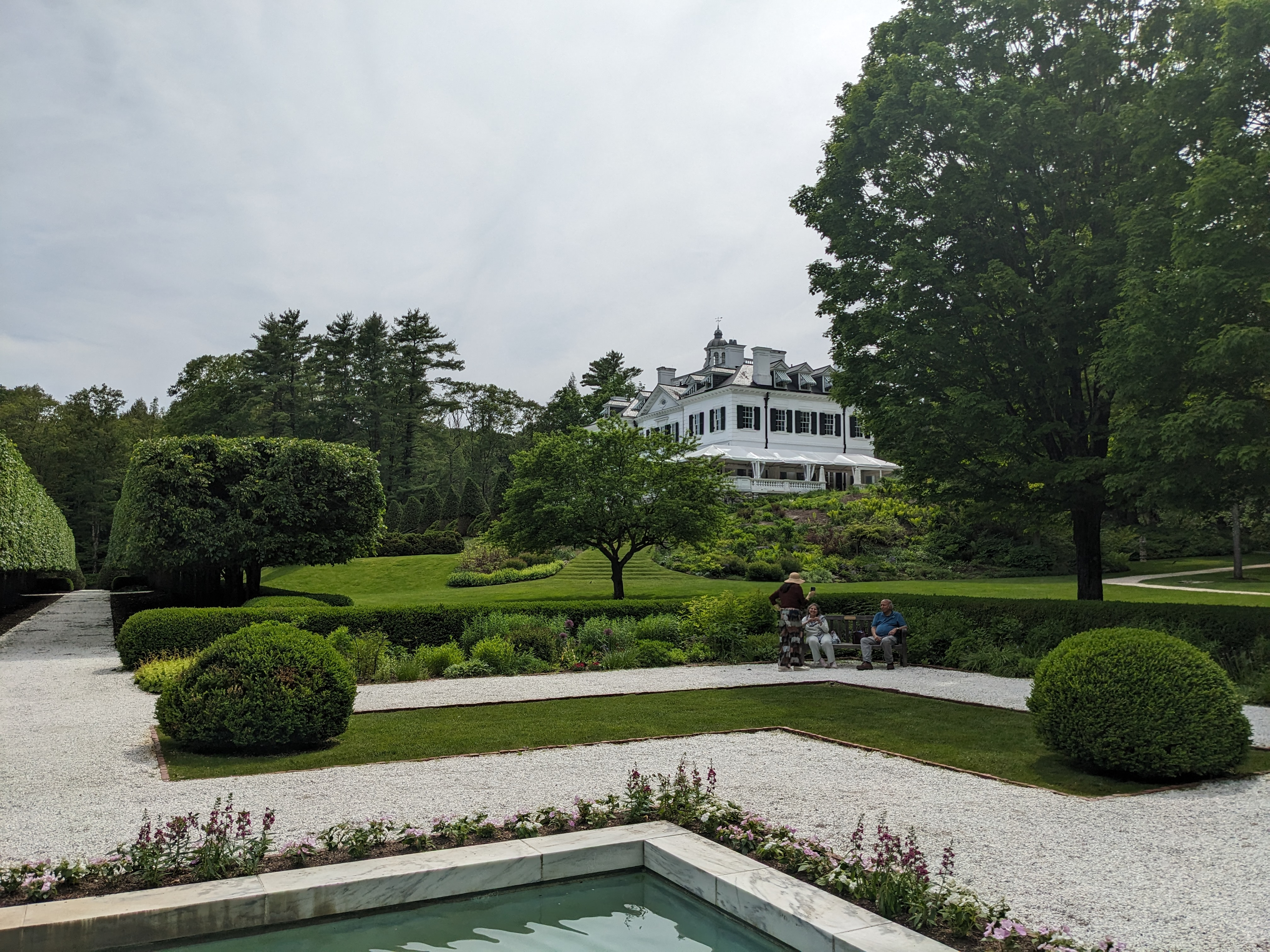
Deciding to capture more fresh air, I entered the terrace from the dining room and descended down the majestic stone steps to Wharton’s walled garden pathway. To the right, passing through a bouquet of lilacs, is Wharton’s Italian garden, the fountain of which is surrounded by white begonias. There are a few benches interspersed throughout this sheltered oasis, and I did not hesitate to seize the opportunity to relax and drink in the refreshing fragrances of my favorite of the two gardens. Being rejuvenated, I headed back down the path to the French garden, with another, dolphin-adorned fountain, surrounded by small bouquets of Wharton’s favorite blooms, including lilies, hydrangeas, and dahlias. Each garden has its own particular view of the mansion and grounds, and each are splendid in their own unique design and construction.
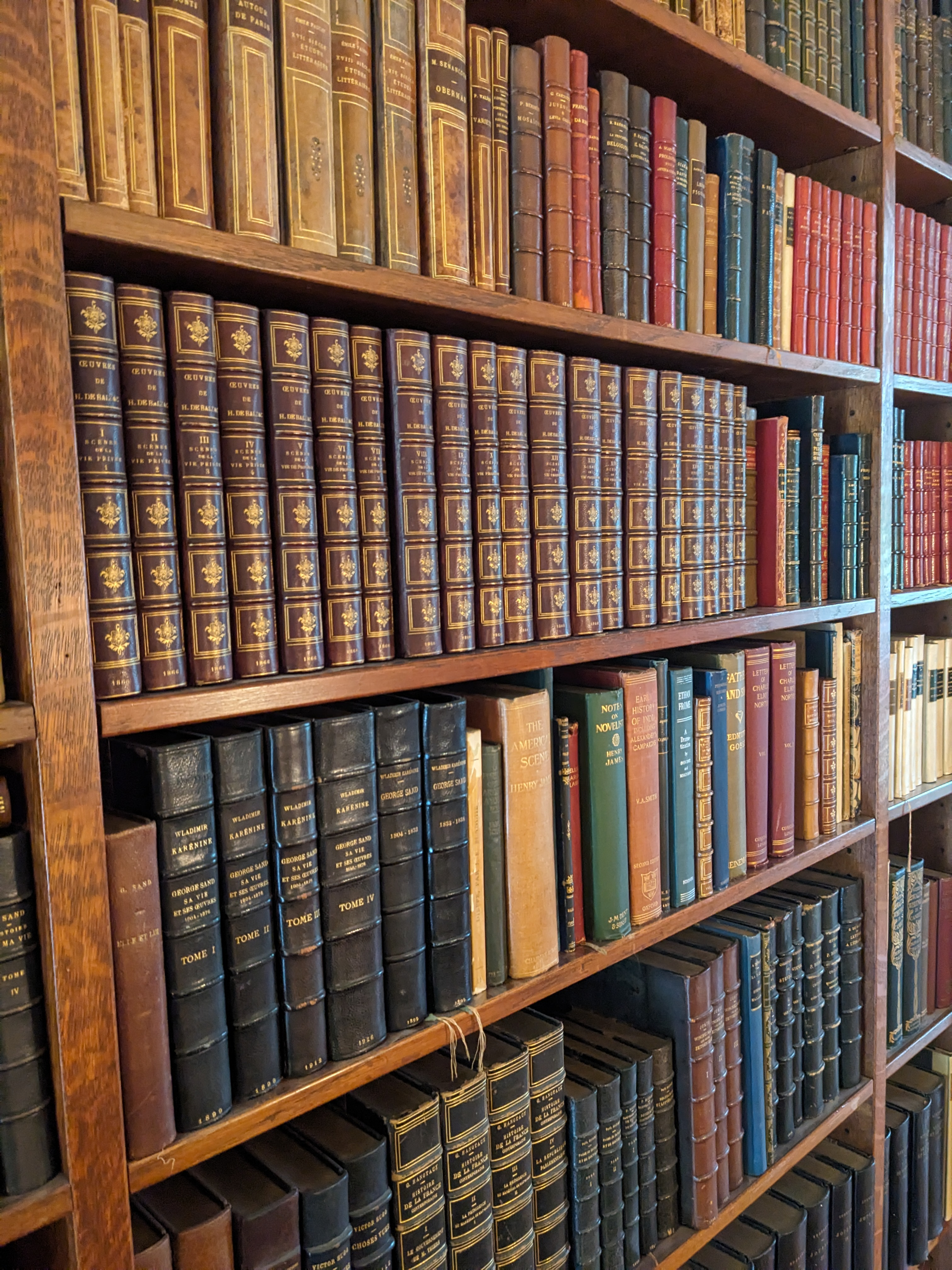
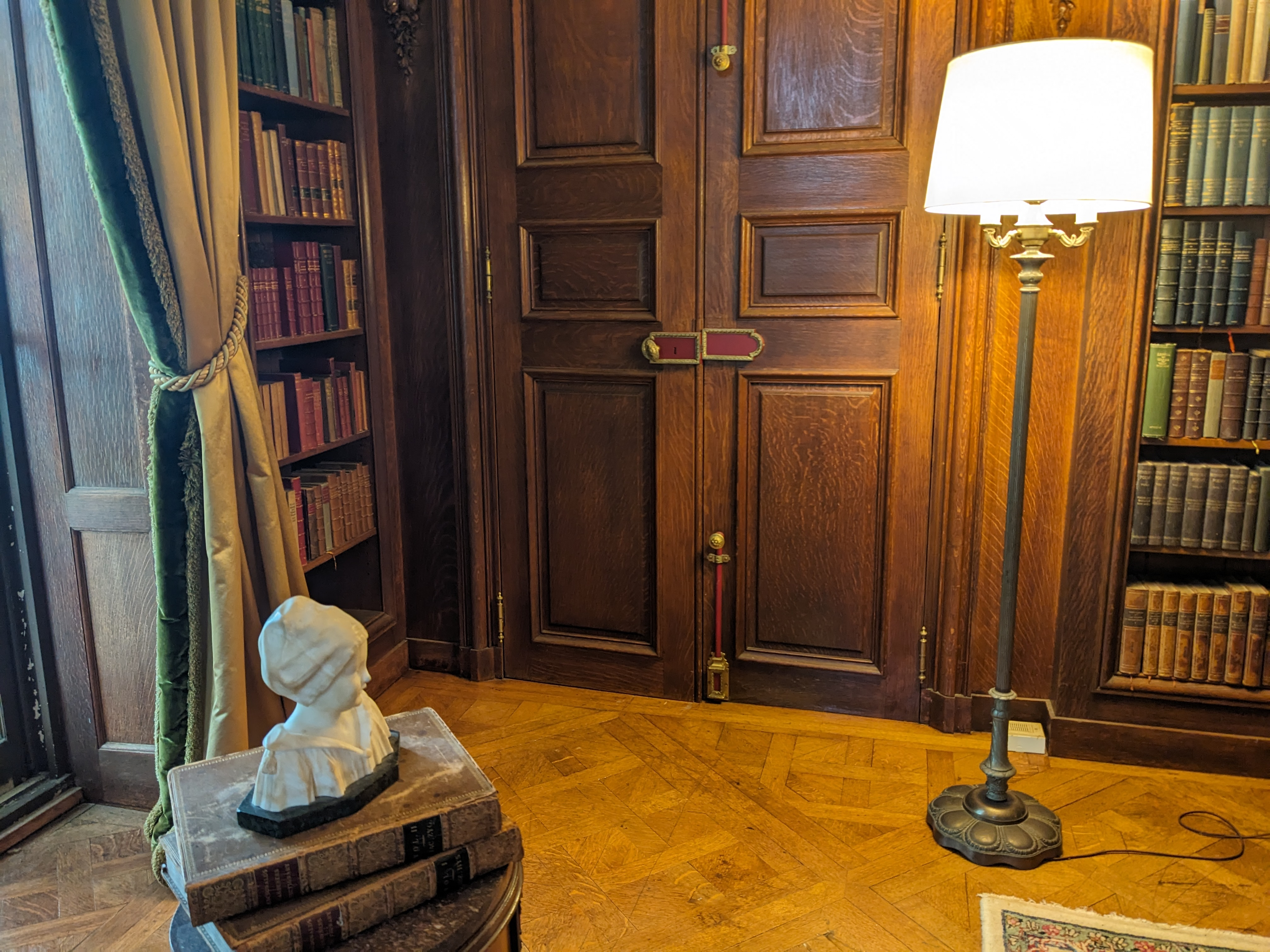
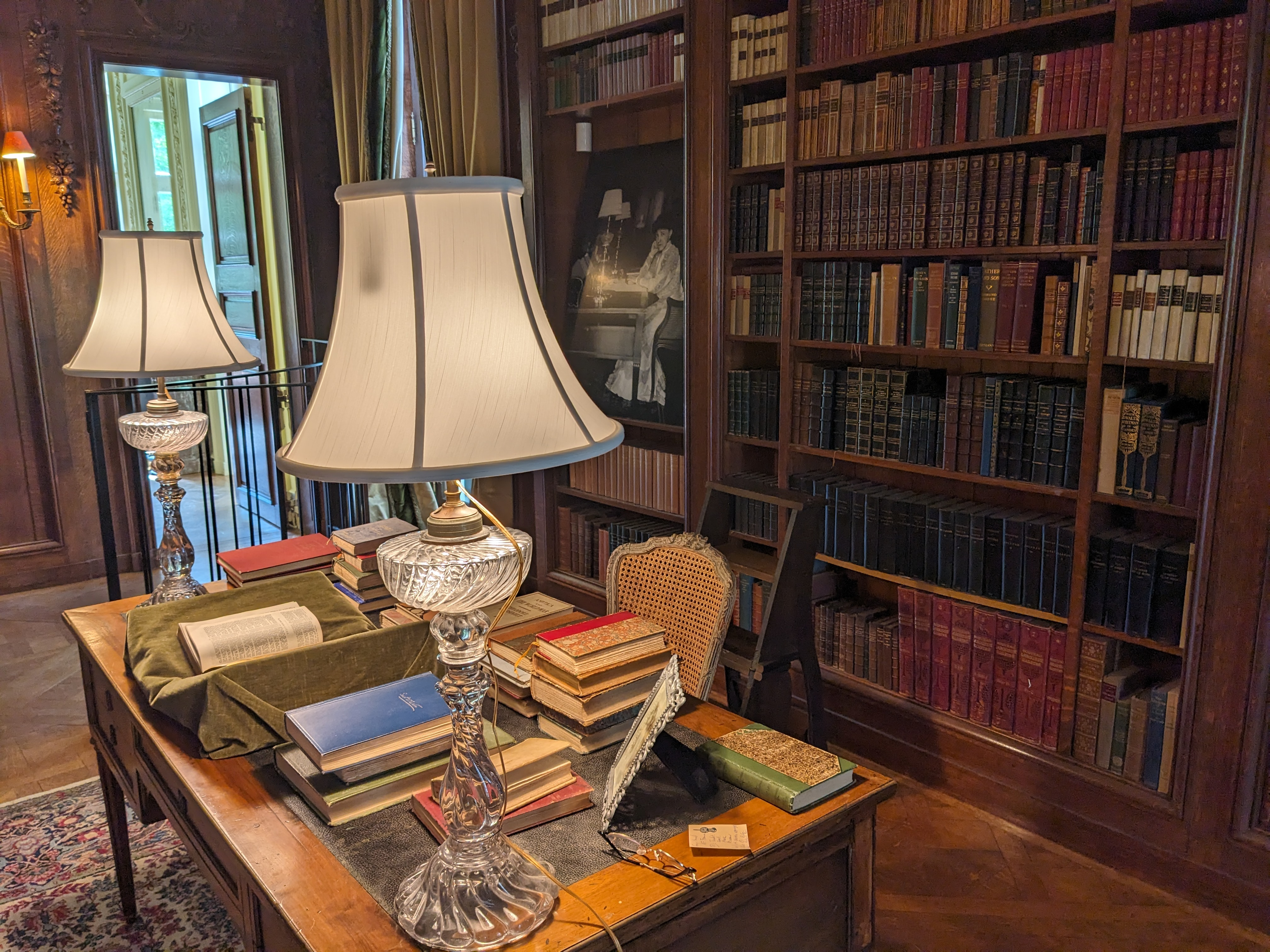
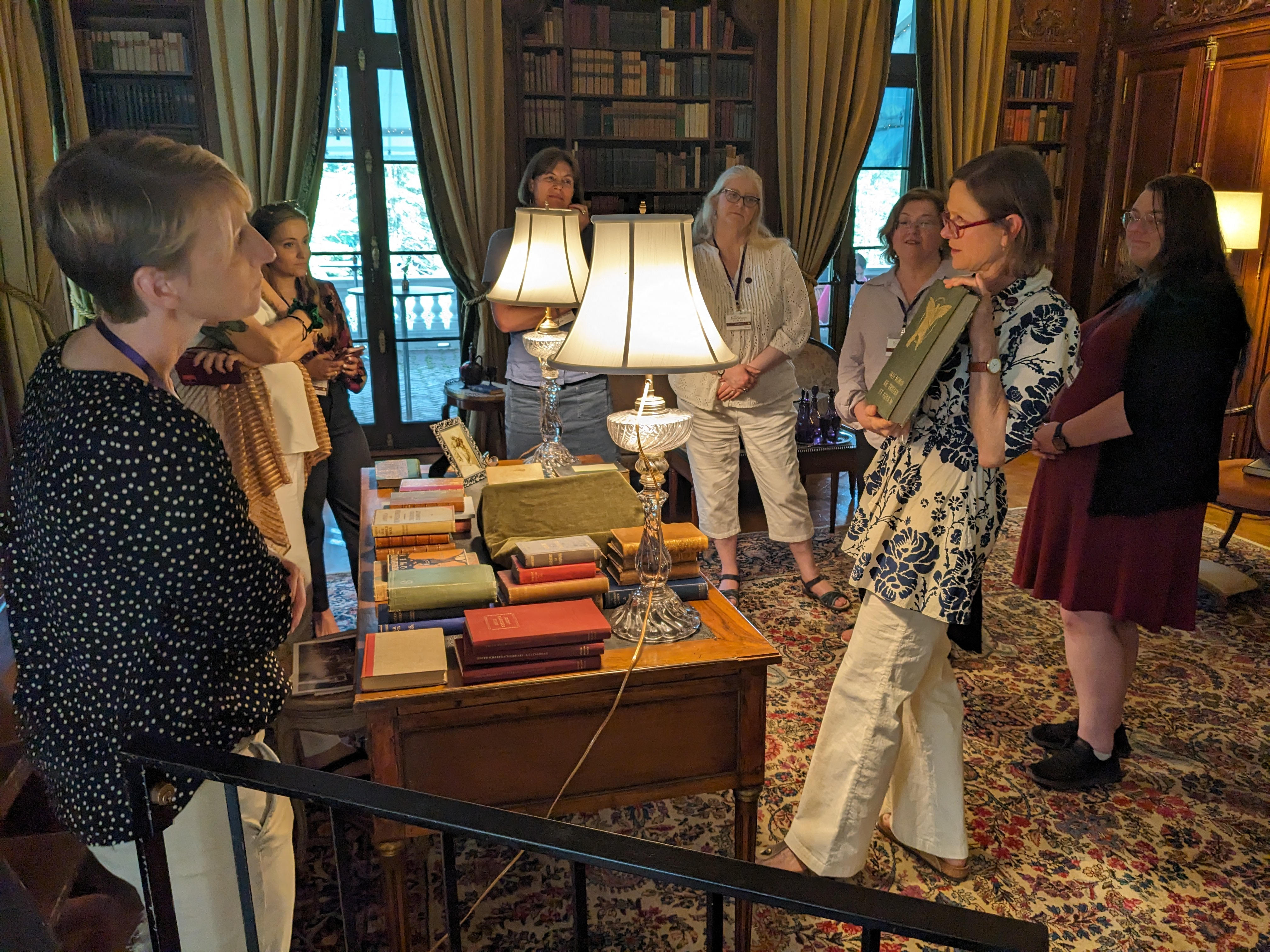
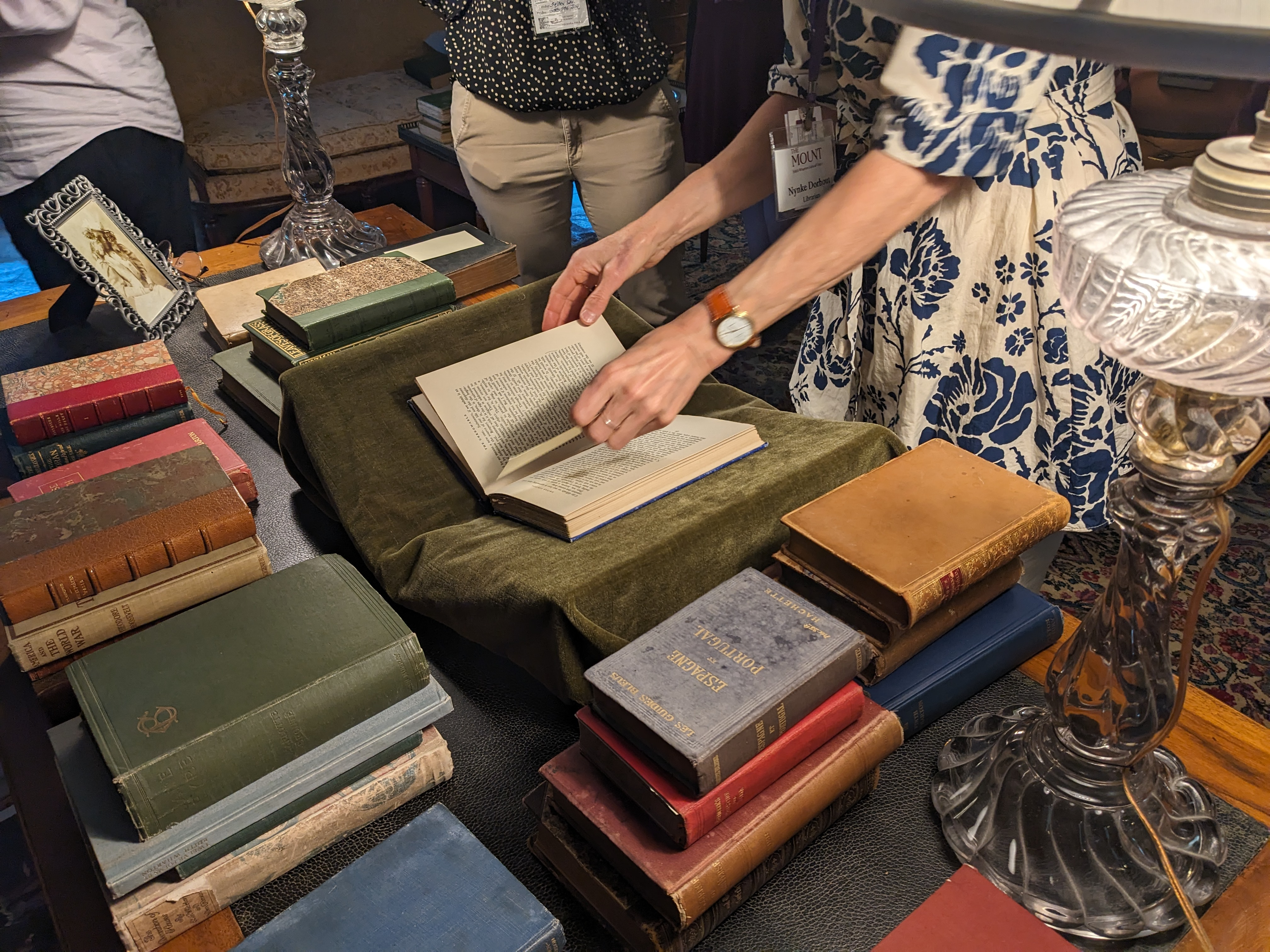
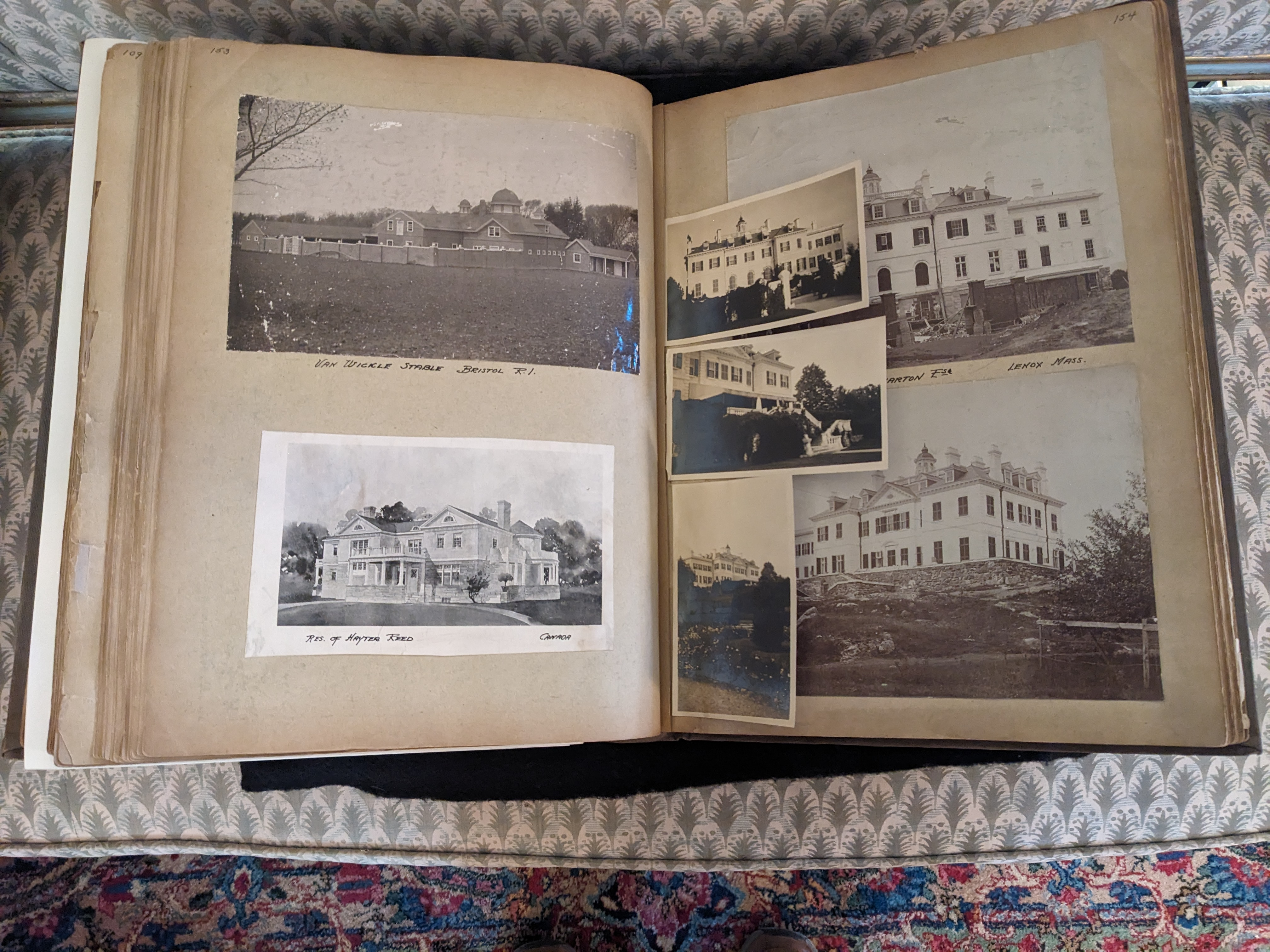
Towards the close of the afternoon was a “breakout session,” which was comprised of an up-close view of Wharton’s library. Upon gathering and entering past the visitor barricade, our guide immediately pointed out Wharton’s collections, starting with her extensive editions in French, German, and Italian. The shelves themselves were set in handsome wood-panelled walls, with Wharton’s writing desk placed rather centrally within the room. Our guide later pointed out several editions gifted to Wharton and inscribed by her associates, including her publisher, Charles Scribner; her colleague, friend, and rival, Henry James; and even her governess and confidante, Anna Bahlmann. Along with these fascinating tomes was a rare collection of photos, the only ones known to fully capture The Mount under construction.
The evening ended with a soiree that brought together all the gathered scholars, academics, and Wharton enthusiasts, allowing for a delightful intermingling and exchanging of ideas and observations. This tasteful event concluded with a lifetime achievement award presented to renowned Wharton scholars Drs. R. Alan Price and Irene Goldman-Price (sorry, no photos of this!!). A huge and humble shout-out to Sarah Margolis-Pineo, director of the summit, and Drs. Laura Rattray and Emily Orlando, legendary Wharton scholars, who spearheaded the panels and presentations. This overwhelming experience was only made possible by these and other auxiliary staff and academics, ensuring everyone would walk away at the end of each day with something extraordinary.
Stay tuned for my next post, 2026 Edith Wharton Summit: Day 2, to be published next Monday, June 22nd!! I certainly hope you enjoyed this one, and please, by all means comment with any questions or remarks you may have about any part of the event. Please also ask permission or give credit before reproducing photos. Thank you for visiting!!


Recent Comments